




Yarrow: benefits, uses, and natural habitat
Introduction to the World of Yarrow
Quebec's nature and boreal flora are full of botanical treasures often little-known to the general public. At the heart of this plant heritage stands a plant of fascinating robustness and remarkable utility: yarrow. With its delicate white or pink umbels that punctuate our summer landscapes, it is much more than a simple wild flower beautifying our roadsides. It is a true natural pharmacy and an exceptional aromatic herb.
At Floèm, our mission is to highlight these raw and precious ingredients from our land. Yarrow fits perfectly into this vision, offering a palette of flavors and benefits that celebrate the richness of our territory. Let's delve together into the world of this millennial plant, discover its secrets, its ancestral uses, and learn how to harmoniously integrate it into our daily lives to benefit from its countless virtues.

Yarrow: An Overview
What is Yarrow?
Yarrow is a perennial herbaceous plant belonging to the large Asteraceae (or Composite) family. Very common in Quebec and the northern hemisphere, it is known for its extraordinary resilience and its ability to adapt to a multitude of soils, even the poorest. An excellent melliferous plant, it plays a crucial role in our ecosystem by attracting numerous pollinators, such as bees, butterflies, and various beneficial insects, thus promoting the biodiversity of our meadows.
One question often comes up: is yarrow edible? The answer is yes. Its young leaves and flowers can be eaten. However, due to its powerful active compounds, it is generally classified as an aromatic herb, a condiment, or a plant for infusion, rather than a vegetable to be consumed in large quantities. Its edible nature makes it a valuable asset for foragers looking to enrich their culinary creations and herbal teas with wild and boreal notes.
What does Yarrow taste like?
From a taste perspective, yarrow offers a complex and assertive sensory experience. The leaves, especially when young, have a distinctly bitter taste, accompanied by camphoraceous, herbaceous, and slightly resinous notes. This powerful aromatic profile explains why it is used sparingly in cooking, often in combination with other milder greens to balance the flavors.
The flowers, on the other hand, reveal a very aromatic, slightly sweet and spicy fragrance, which transfers wonderfully during infusion. It is this singular taste, sometimes reminiscent of hops or wild sage, that gives boreal herbal tea blends unparalleled depth and character. It is not a taste that leaves one indifferent; it is the very essence of the wild plant expressing itself in the mouth.
What are the origins and historical overview of Yarrow?
The history of yarrow is deeply rooted in mythology and ancient medicine. Its use dates back to time immemorial. According to Greek legend, the hero Achilles, initiated into botany by the centaur Chiron, used this plant during the Trojan War to treat the wounds of his soldiers and stop their bleeding. It is from this foundational myth that the plant derives its prestigious name.
Over the centuries, from Antiquity to the Middle Ages, it was constantly transported by armies across Europe and Asia, earning its reputation as "carpenter's plant" or "soldier's herb" thanks to its swift healing properties. Later, European colonists brought it to North America, although some subspecies were already native there and commonly used by the First Nations. This dual origin makes it a universal plant, respected in all cultures of the northern hemisphere.
The Main Interest of Yarrow: Edible, Medicinal, Wellness
Yarrow in Herbal Tea
Infusion is undoubtedly the most common and appreciated way to enjoy the virtues of this plant. But what are the reviews on yarrow herbal tea? Herbalists and wild tea enthusiasts agree that it is a comforting drink, particularly popular during seasonal changes or to soothe digestive and feminine discomforts. Its natural bitterness is often balanced by the addition of honey or by blending with other plants from the boreal forest, thus creating balanced and delicious infusions.
In herbal tea, yarrow releases its essential oils and bitter principles into hot water. It is in this aqueous form that the plant reveals its full potential for internal well-being. Yarrow infusion is a warming ritual, a moment of raw sweetness that reconnects the drinker with the forces of nature.

Yarrow in Cooking
Although it is primarily a medicinal plant, what are the benefits of the leaf in cooking? In addition to its nutritional value and appetite-stimulating properties, yarrow leaves, finely chopped, act as a powerful aromatic condiment. Historically, it was even used as a natural preservative and as a substitute for hops to flavor beer, a common practice in the Middle Ages before hops became widespread.
Today, chefs exploring forest and boreal gastronomy incorporate it into flavored butters, infused vinegars, or small touches in spring salads. Its stimulating bitterness awakens the taste buds and aids in the digestion of rich dishes. It is an invitation to rethink our seasonings by integrating local wild plants.
Yarrow for Health
If we were to summarize in one sentence what are the benefits of yarrow, we would say that it is the plant for circulation, digestion, and feminine health. Its spectrum of action is so broad that it is considered a panacea in many herbal traditions. From wound healing to regulating menstrual cycles, and supporting in cases of fever, it acts as a general tonic for the body.
Its main interest lies in its ability to act systemically. It doesn't just mask a symptom; it supports the body's natural functions. Whether through its anti-inflammatory, antispasmodic, or astringent action, yarrow is a key ally in any natural first aid kit, offering a gentle and effective alternative for many small everyday ailments.
Yarrow for Wellness (Aromatherapy)
Beyond its internal use, yarrow also shines in the field of body wellness and aromatherapy. The flowering tops contain a precious essential oil, often characterized by an intense blue coloration due to the presence of a compound called chamazulene (which forms during distillation). This azulene gives the oil exceptional anti-inflammatory and soothing properties for the skin.
In natural cosmetics, yarrow is used to soothe irritated skin, regulate sebum production in oily skin, and promote cell regeneration. It integrates perfectly into healing ointments, toning lotions, or facial steam baths, thus proving that its action extends far beyond the cup of herbal tea to encompass overall body wellness.
All About the Yarrow Ingredient
Yarrow: Botanical Name, Synonyms
The Scientific Name and Etymology of Yarrow
Our star's full botanical name is Achillea millefolium L. (the "L." referring to Carl Linnaeus, the botanist who classified the species). As mentioned previously, the genus Achillea is a direct tribute to the Greek hero Achilles. This taxonomic choice underscores the plant's millennial reputation for treating war wounds.
The specific epithet millefolium comes from the Latin words mille (thousand) and folium (leaf). It is a poetic and very precise description of the plant's appearance. By observing a yarrow leaf carefully, one can see that it is so finely cut, divided, and subdivided into tiny segments that it gives the illusion of being composed of thousands of small, distinct leaves.
Where does the name Yarrow come from and what are its other common names?
Yarrow has a myriad of vernacular names that bear witness to its history and uses. What is another name for yarrow? In Quebec, it is affectionately nicknamed "turkey herb" because it often grew in farmyards and its finely chopped leaves were once added to turkey poults' feed to strengthen them. In Europe, it is called "nosebleed plant," a paradoxical name: if the crushed fresh leaf inserted into the nostril can cause a nosebleed (to relieve migraines, for example), the plant's juice, on the contrary, has the power to stop hemorrhages.
But why is yarrow called devil's nettle? This unsettling nickname contrasts with its healing virtues. It is explained by two reasons. Firstly, its root network and rhizomes are extremely vigorous and can become invasive, a real nightmare for some gardeners who once saw it as a "diabolical" work. Secondly, in some ancient peasant cultures, it was used in rituals to ward off evil spirits or the devil himself; by a semantic shift frequent in the Middle Ages, the plant associated with the devil (even to chase him away) ended up taking his name. Fortunately, this name has nothing to do with any deadly toxicity!

Where does Yarrow come from? (indigenous origin)
Yarrow has a fascinating circumboreal distribution. It is naturally present in temperate regions of Eurasia and North America. In Quebec, its situation is interesting: it is considered both indigenous (with certain specific varieties like Achillea millefolium var. occidentalis) and naturalized (varieties brought by European colonists having hybridized with local populations).
This dual nature means it is found absolutely everywhere in our territory. From the banks of the St. Lawrence River to the confines of the boreal forest, through the fields of Montérégie, yarrow is a survivor. It has perfectly adapted to Quebec's harsh winter climate (hardy down to zone 2) and sometimes hot and dry summers.
Detailed Description of Yarrow and its Natural Habitat
What does Yarrow look like? (visual and form)
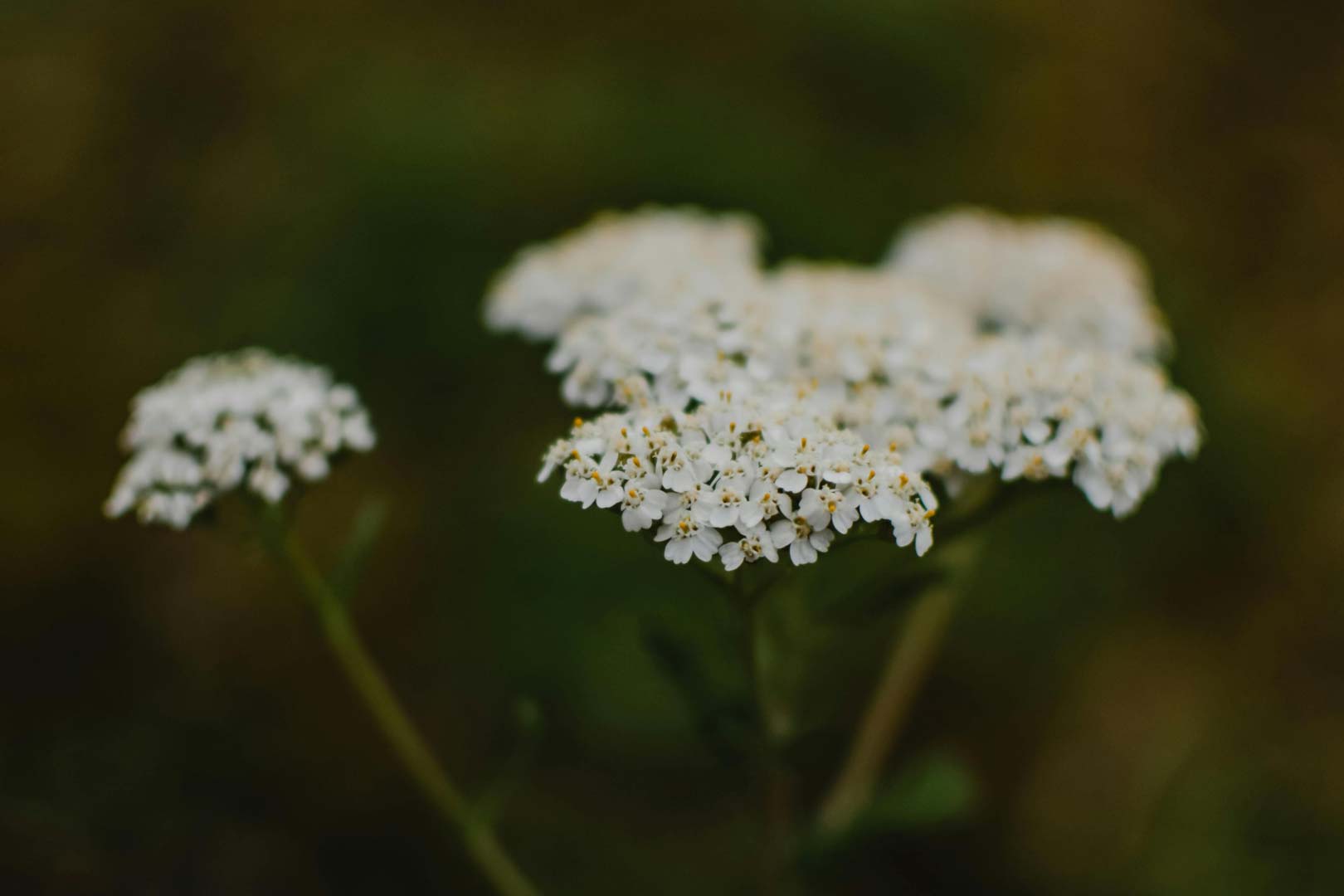
Yarrow stands proudly, erect on a generally single, striated, and slightly downy stem. Its deep green foliage resembles a feather or plant lace. But beware of confusion! What plant looks like yarrow? Wild carrot (Daucus carota) and some plants of the Apiaceae family (Umbelliferae) also have white umbellate flowers and dissected foliage. It is crucial to distinguish them, as this family contains highly toxic species like hemlock. Yarrow is distinguished by its leaves arranged alternately along the stem (and not all at the base) and by the shape of its inflorescence, which is a corymb (tightly packed capitula) and not a true umbel.

What are the colors of Yarrow?
In the wild in Quebec, yarrow flowers are predominantly pure white or creamy white. However, it is not uncommon to encounter specimens with delicately pink hues in nature. This pink coloration is often due to soil composition or altitude.
In ornamental horticulture, yarrow has been extensively developed for its aesthetic qualities. Nursery growers have created numerous cultivars offering a veritable festival of colors: sunny yellow, fiery orange, cherry red, fuchsia pink, and even purple. However, for medicinal use and for the preparation of quality herbal teas, it is generally the wild white and pink varieties that are preferred.
What is the size of Yarrow and its natural environment?
At maturity, yarrow typically ranges between 30 and 60 centimeters in height, although some vigorous specimens can reach up to 1 meter under optimal conditions. Its root system consists of a creeping rhizome, allowing it to spread rapidly and form dense colonies.
Its preferred habitat is full sun. It is found in meadows, pastures, lawns, roadsides, railway embankments, vacant lots, and rocky crevices. It has a strong preference for well-drained soils, tolerating even very poor, sandy, or calcareous lands. It shows remarkable drought resistance, remaining vibrantly green even when surrounding grasses are sun-scorched.
What are the characteristics of Yarrow (Achillea millefolium)? (leaf, flower, fruit)
The leaf is the most distinctive feature with its pinnatisect appearance (cut into multiple segments which are themselves divided). The flower, which blooms from summer until early autumn (June to September), is actually an inflorescence composed of tiny tubular flowers at the center (often yellowish) surrounded by a few ligulate flowers (resembling petals) that are white or pink. The whole forms a dense, flat-topped corymb, providing a perfect landing strip for pollinating insects.
After flowering, the plant produces small fruits called achenes. These seeds, lacking a "parachute" (unlike dandelions), fall nearby or are dispersed by wind and animals. It is this combination of seed reproduction and aggressive vegetative multiplication (rhizomes) that ensures the spectacular survival and expansion of the species.

How to Harvest Yarrow (Achillea millefolium)
Where does Yarrow grow and where is it harvested?
Although yarrow grows almost everywhere, the choice of harvest location is paramount. Since it is often used in phytoremediation to extract heavy metals and decontaminate soils, it is absolutely crucial not to harvest yarrow from roadsides, near factories, or in fields treated with pesticides.
For harvesting intended for consumption, at Floèm, we prioritize wild areas far from any urban or agricultural pollution. We ideally harvest it in high-altitude meadows, boreal forest clearings, or certified organic fields, where air and soil quality guarantee a healthy and pure plant.
Which part of Yarrow to harvest and in what quantity?
In herbalism, the main parts harvested are the flowering tops (the capitula with a few centimeters of stem) and young leaves. The leaves are best in spring, before the floral stem appears, when they are tender and less bitter. The flowers, on the other hand, are picked in full bloom, ideally on a sunny day, after the morning dew has evaporated.
The ethics of wild harvesting dictate harvesting in moderation. It is generally advised to take only a third of the flowers from a colony, to leave enough food for pollinators and allow the plant to reproduce.
What tools to use for harvesting Yarrow?
The yarrow stem is surprisingly tough and fibrous. Trying to break it by hand risks pulling up the plant with its roots, which goes against good harvesting practices. The ideal tool is a pair of sharp scissors or small garden pruners.
The stem should be cleanly cut a few centimeters below the inflorescence. The harvest should then be gently placed in a wicker basket, a cloth bag, or kraft paper (never plastic, which would make the plant "sweat" and encourage mold), making sure not to pack the flowers too tightly so they can breathe.
What are the processing methods?
Factors Influencing Yarrow Quality
The aromatic and medicinal potency of yarrow largely depends on its environment. Paradoxically, plants grown in rich, abundantly watered soils tend to have lower concentrations of active compounds. It is moderate water stress and poor soils that encourage yarrow to develop more essential oils (as a defense and protection mechanism). Furthermore, strong sun exposure increases the concentration of its volatile compounds.
Harvest season, processing…
Harvest timing is an art. The ideal window opens from late June to mid-September in Quebec. The goal is to harvest when the flower heads are fully open but before the small tubular flowers in the center begin to brown. As soon as the plant is cut, the transformation process begins. It must be processed quickly to stop oxidation and preserve its vibrant colors and aromas.
What can alter the quality of Yarrow?
The number one enemy of freshly picked yarrow is stagnant moisture. If left in a compact pile, it will quickly heat up, ferment, and lose all its virtues. Likewise, drying in direct sunlight will destroy its delicate essential oils and bleach its leaves through photodegradation. Finally, air pollution or drying in a dusty environment will inevitably alter the purity of the final product.
How to dry Yarrow?
Drying must be gentle and respectful. The traditional method consists of gathering the stems into small, loose bunches (no more than 5 to 10 stems) and hanging them upside down in a dry, warm, extremely well-ventilated place, and especially, away from direct sunlight.
A shaded barn or a drying rack (with mosquito nets) is ideal. Drying generally takes one to three weeks depending on the ambient humidity. The plant is ready when the stem becomes brittle to the touch and the flowers crumble easily, a sign that all residual moisture has evaporated.
Yarrow Storage: Recommendations
How to store Yarrow?
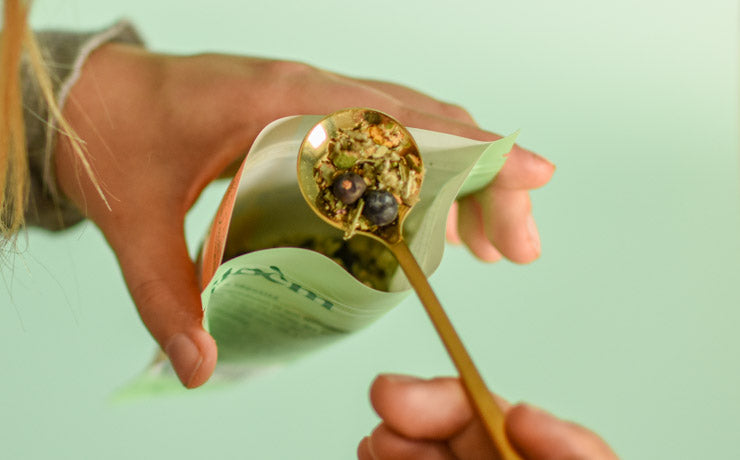
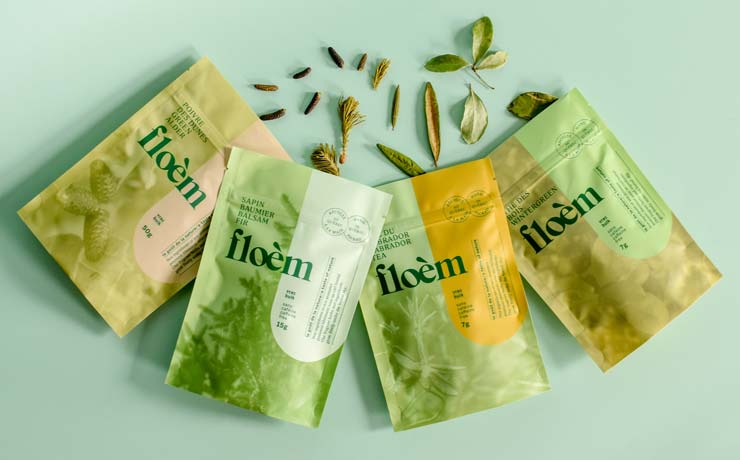
Once perfectly dry, yarrow should be trimmed: separate the flowers and leaves from the thick stems. For storage, airtight glass jars (such as Mason jars) are the standard. It is crucial to store these containers in a dark cupboard or closed cabinet, as light rapidly degrades the medicinal properties and pigments of the plant. Multi-layer resealable paper bags, like those we use at Floèm, also offer excellent protection against air and light.

How long can Yarrow be kept?
Stored in good conditions (dry, cool, and dark), dried yarrow retains optimal potency for approximately 1 year. After this period, it does not become dangerous, but its essential oils evaporate, and its benefits diminish. It is often said to have a shelf life of "one season to the next." If, after 18 months to 2 years, your flowers no longer have a scent when crumpled between your fingers, it's time to return them to the earth in compost and acquire a new harvest.
Traditional and Historical Medicinal Uses
Yarrow in Ancient Practices
How was Yarrow used in the past?
Before the advent of modern medicine, yarrow was a matter of life or death on battlefields. It was primarily used as a poultice of fresh, chewed, or crushed leaves, applied directly to open wounds to stop hemorrhages (hemostatic effect) and prevent infections thanks to its powerful antiseptic properties. Besides its military role, it was central to home medicine for relieving childhood fevers and chronic digestive disorders.
What were the culinary uses of Yarrow?
In brewing, long before the Reinheitsgebot (German Beer Purity Law) imposed hops, yarrow was part of a herb blend called "gruit," used to flavor and preserve beer in Northern Europe. Its antimicrobial properties prevented beer from spoiling, and its bitterness balanced the sweetness of malt. It was also incorporated into digestive liqueurs, ancestors of our modern bitters.
The Religious or Spiritual Use of Yarrow
The mysticism surrounding this plant is profound. What does yarrow mean in witchcraft and what are its spiritual properties? In esotericism and traditional witchcraft, yarrow is considered a plant of protection and clairvoyance. Medieval witches and herbalists used it in amulets to ward off the evil eye, protect against negative energies, or purify a space, similar to white sage.
What do witches use yarrow for? Besides protection, it was often the main ingredient in love potions. It was said that sleeping with a sachet of yarrow under one's pillow allowed one to dream of their future spouse.
Further afield geographically, in China, yarrow holds sacred significance in the practice of I Ching (The Book of Changes): the long, straight stalks of the plant were dried and used as divining sticks, cast to read hexagrams and interpret the flow of the universe's energies. Its overall spiritual property is that of "boundary": it protects a person's energetic integrity just as it repairs the physical integrity of a wound.
The Cultural Importance of Yarrow
For Indigenous peoples of North America, including several Nations present in Quebec, yarrow was (and remains) a fundamental medicine. It was smoked in sacred tobacco blends, used as a decoction to wash horse wounds, or infused to treat colds and respiratory problems thanks to its diaphoretic action (which promotes sweating to break a fever). This transmission of intergenerational knowledge testifies to the vital importance of the plant for survival in the wild.
The Health Benefits of Yarrow
Properties and Effects of Yarrow on the Body
What are the properties of Yarrow?
If we are to answer the question of what are the effects of yarrow, we must delve into the richness of its active compounds (tannins, flavonoids, coumarins, azulene). Yarrow is:
-
Hemostatic and vulnerary: it helps blood clotting and wound healing.
-
Antispasmodic: it relaxes smooth muscles, particularly those of the uterus and intestines.
-
Diaphoretic: it stimulates sweating, helping the body to "break" a fever.
-
Anti-inflammatory and antiseptic: it calms internal and external inflammation.
-
Astringent: thanks to its tannins, it tightens tissues.
Benefits of Yarrow by Category
Yarrow for Digestion, Liver, and Kidneys
What are the benefits of Yarrow for the liver? Due to its pronounced bitterness, yarrow is a cholagogue and choleretic plant. This means it stimulates bile production by the liver and facilitates its evacuation to the gallbladder, thus optimizing fat digestion. But which plant is most effective for liver cleansing? Although milk thistle or dandelion are often cited as the "champions" of pure hepatic detox, yarrow offers a comprehensive action that admirably supports the liver, especially when hepatic disorders are accompanied by digestive spasms.
Furthermore, is yarrow good for the kidneys? Yes, it has mild diuretic and urinary antiseptic properties. It helps eliminate toxins through the urinary tract and can be a good supplement for preventing minor urinary tract infections, although in cases of severe kidney disease, its use requires caution.
Finally, does yarrow lower blood sugar? Some preliminary phytotherapy studies suggest that yarrow extracts may have a mild hypoglycemic effect. It is by no means a substitute for diabetes treatment, but it can contribute to sugar metabolism regulation.
Yarrow for Women's Health and Hormones
What are the benefits of Yarrow for women? This is where yarrow unleashes one of its greatest powers. It is a major ally for the pelvic area. As an emmenagogue plant, it promotes the onset of menstruation when delayed (often by stress) and, paradoxically, thanks to its hemostatic effect, it reduces excessive menstrual flow. Its antispasmodic properties dramatically relieve menstrual cramps.
What are the benefits of Yarrow for hormones and menopause? It helps regulate the menstrual cycle by supporting liver function (the liver being responsible for metabolizing excess hormones). During menopause, it helps alleviate night sweats and hot flashes, while calming anxiety.
A specific question is often raised: Is Yarrow progesterone-like? Unlike chasteberry, which strongly affects progesterone, yarrow is not considered strictly "progesterone-like." It acts more as a pelvic regulator through its action on local blood circulation and the presence of plant sterols that exert a gentle balancing action on the female endocrine system, without forcing the production of a specific hormone.
Yarrow for Infections and Circulation
Is yarrow effective against toothaches? Absolutely. It's one of its fastest traditional uses to test. Chewing a fresh young leaf and applying it to the aching gum provides a temporary anesthetic and antibacterial effect (often described as an odontalgic plant).
Is yarrow good for the sinuses? Yes, in cases of congestion, colds, or sinusitis, inhaling the steam from a concentrated yarrow infusion helps clear the respiratory passages thanks to its camphorated volatile compounds and its anti-inflammatory action on mucous membranes.
Regarding the cardiovascular system, can yarrow lower blood pressure? Yes, it contains alkaloids and flavonoids that have a peripheral vasodilator effect. By relaxing blood vessels, it helps gently lower mild blood pressure and improves circulation, especially to relieve varicose veins or hemorrhoids.
How to Consume or Use the Yarrow Ingredient?
Different Forms of Yarrow Products
Yarrow in Herbal Tea
Herbal tea remains the royal road. Whether in dried leaves or flowers, it blends perfectly with boreal tea blends, offering a golden color and an intoxicating aroma. At Floèm, we believe that infusion allows for a gentle and safe extraction of the plant's active ingredients for measured daily use.
Yarrow in Cooking
In addition to fresh leaves in salads, dried yarrow can be ground into a powder to be used as a wild herb salt, perfectly marinating game meats or enhancing a root vegetable soup.
Yarrow in Homemade Body Products
You can easily make an oil macerate: infuse dried yarrow flowers in olive or sunflower oil for a month away from light. This skincare oil will be a wonderful serum for acne-prone skin, redness, or for massaging the lower abdomen during menstrual cramps.

Preparation Methods: Recipes and Instructions
Recipe ideas with Yarrow
To surprise your guests, try a Spring Boreal Salad : mix young dandelion shoots, a few tender yarrow leaves, grapefruit segments, and a drizzle of maple syrup. The bitterness of wild plants is enhanced by the sweetness and acidity.
Another idea is forest lemonade : prepare a simple syrup by boiling water, sugar, and a handful of yarrow flowers. Strain, then add this syrup to sparkling water and lemon juice. The azulene and essential oils will bring a unique herbaceous touch to your refreshing drink.
How to infuse Yarrow as an herbal tea?
For a standard cup (250 ml), use approximately 1 to 2 teaspoons of dried plant (flowers and leaves). Pour simmering water (not boiling, ideally around 85-90°C to avoid destroying volatile compounds). Let it steep covered for 10 minutes. Covering is essential to retain the essential oils, which would otherwise evaporate into the air.
How much Yarrow to consume?
Although natural, yarrow is potent. Is it possible to consume Yarrow daily? Generally, it is not recommended to drink pure medicinal herbal teas every day for very long periods (several continuous months). It is preferable to do "cures": for example, 1 to 3 cups per day for 2 to 3 weeks, followed by a one-week break. In a blend where yarrow is just one component among other herbs (as in our teas), daily consumption is much safer and more beneficial.
Usage Tips and Precautions
When to consume Yarrow?
When to take yarrow? It all depends on the desired benefit. To aid digestion or support the liver, drink a cup approximately 20 minutes after a heavy meal. To relieve menstrual cramps, start drinking it a few days before your expected period. In case of a cold or fever, drink a hot cup in the evening before bed to promote purifying nocturnal sweating.
Warnings regarding Yarrow
Let's discuss safety. What are the drawbacks of yarrow and what are the side effects of the herbal tea? The main drawback is the risk of allergy. Yarrow belongs to the Asteraceae family (like daisy, ragweed, or chamomile). People allergic to these plants may develop skin rashes (contact dermatitis) when touching it, or allergic reactions when drinking it.
Another drawback is the risk of photosensitivity: prolonged consumption or repeated contact with the sap of the fresh plant, followed by intense sun exposure, can cause skin irritations.
Comparative note : You sometimes wonder what are the contraindications of Lady's Mantle? It is common to confuse yarrow with lady's mantle (Alchemilla vulgaris), another important plant for women's health. Although they complement each other, lady's mantle has its own contraindications (such as gastritis or use in early pregnancy). Both require similar precautions regarding pregnancy, but yarrow also requires vigilance regarding cross-allergies to Asteraceae.
At-Risk Populations and Yarrow
Who should not drink yarrow tea?
-
People on anticoagulant medication (due to yarrow's effect on circulation and coagulation).
-
Individuals taking sedatives (yarrow can theoretically enhance the effects of sedative plants like valerian or sleeping medications).
-
People suffering from severe kidney disease should not abuse it due to its diuretic effect, especially in high doses.
-
It is always imperative to speak with a healthcare professional before regular use of a medicinal plant if you have pre-existing medical conditions.
Pregnant women and children
The strictest contraindication concerns pregnancy. Yarrow is emmenagogue and uterine stimulant; it can therefore pose an abortifacient risk. Pregnant women must absolutely avoid its consumption in the form of medicinal herbal tea. For breastfeeding women, professional advice is required. Regarding young children, although it has been historically used for fevers, prudence dictates avoiding it before the age of 6, or using it only under the supervision of a qualified herbalist.
Conclusion: Yarrow, a Precious Ally
Summary of Benefits and Uses
Everything you need to know about Yarrow
Yarrow (Achillea millefolium) is undoubtedly a pillar of boreal and global herbalism. From its legendary history linked to Achilles to its modern uses, it proves that nature offers elegant solutions to our ailments. It shines with its abilities to soothe digestion, support liver functions, regulate female health, and treat skin. Whether for its healing, antispasmodic properties, or simply for the complex aromatic notes it brings to an infusion or a gourmet dish, this robust plant deserves a prominent place in our daily lives.

Quality and Environmental Respect
How to choose quality Yarrow?
To benefit from all the virtues of this "devil's nettle" with an angelic heart, the quality of the raw material is non-negotiable. High-quality yarrow should have preserved colors (well-green foliage, white or pinkish flowers, not browned) and emit a powerful, herbaceous aroma upon opening the bag. Thick, fibrous stems should have been removed to leave only the noble parts: the flowering tops and tender leaves.
At Floèm, we make this quest for quality our absolute priority. We invite you to discover our selection of boreal blends where yarrow reveals its full aromatic potential, carefully balanced by the expertise of our blenders. For example, in our Rose & Chamomile herbal tea blend.
Why prioritize environmentally friendly Yarrow and where to get it?
Buying a wild plant means embracing a fragment of nature. It is therefore our duty to ensure that its harvesting does not harm the ecosystem. Irresponsible harvesting threatens biodiversity and deprives our precious pollinators of their nectar.
By choosing Floèm products, you encourage an eco-responsible approach. Our passionate harvesters hand-pick yarrow in the vast, pure wild expanses of Quebec, applying sustainable harvesting methods that ensure the plant's regeneration year after year. To incorporate yarrow into your wellness routine while celebrating the rich boreal flavors of our territory, visit our online store and let the Quebec forest infuse into your cup.






1 comment
Merci pour toutes ces précieuses informations. Je viens de traiter une gastro avec un jeûne et cette plantes il n’y a que quelques jours ! J’ai apprécié les détails et le professionnalisme de vos textes et tenterai de vous faire connaître à mes quelques amies s’intéressant encore au monde des plantes, mais je ressens un nouvel éveil chez les jeunes en ce sens qui me donne espoir !
Passez un bel été !
Daniel Bérubé
Leave a comment
This site is protected by hCaptcha and the hCaptcha Privacy Policy and Terms of Service apply.