




White Pine (Pinus strobus): Its Benefits, Uses and Natural Habitat
Introduction to the world of White Pine
Join us as we delve into the heart of the boreal forest, where bountiful nature offers us unexpected treasures. Today, we invite you to discover a discreet giant, a pillar of our forest ecosystems: the White Pine. Majestic and robust, this iconic tree of Quebec and eastern North America holds a wealth of benefits and uses, often overlooked. From its fragrant needles to its bark with its many virtues, the White Pine is much more than just a conifer; it is a veritable natural pharmacy and a source of culinary inspiration, one that has transcended ages and cultures. Prepare to explore all the facets of this fascinating tree, whose history is intimately linked to that of our lands.

White Pine: Introduction
The White Pine, with its slender silhouette and soft needles, is an invitation to discover the flavors and virtues of our boreal flora. At Floèm, we are committed to sharing this richness with you, offering products that celebrate the very essence of our forests.
What is White Pine?
The White Pine, or Pinus strobus is a coniferous tree of the Pinaceae family, recognizable by its long needles grouped in fives. It is the tallest tree in Eastern Canada, reaching impressive heights of over 30 meters. Its presence is emblematic of our landscapes, where it stands proudly, often alongside other conifers such as hemlock and spruce, or deciduous trees. Its unique characteristic lies in the softness of its needles, which distinguishes it from other pines with sharper needles.
This tree is a true symbol of resilience and longevity, with a lifespan that can exceed 200 years, and sometimes even reach over 450 years under optimal conditions. It is particularly prized for the quality of its wood, which is light and easy to work, used in a multitude of applications, from ancient shipbuilding to modern furniture. But beyond its wood, it is also a tree with numerous benefits, which we will explore in detail.
Is White Pine good for anything? Absolutely! Its uses are numerous, ranging from construction and traditional medicine to cooking and decoration. It is a valuable source of vitamins and antioxidants, and its expectorant and antiseptic properties make it an excellent ally for health.
What does White Pine taste like?
White pine has a fresh, resinous, and slightly lemony taste. The young shoots, called buds or pine candles, are particularly aromatic, offering a sweet and tangy flavor with sap notes. The needles, on the other hand, release a woody and herbaceous aroma, reminiscent of a forest after the rain, with a touch of bitterness that pairs perfectly with other boreal flavors. This aromatic complexity makes it a choice ingredient for infusions and bold culinary creations.
As an infusion, the taste is mild and comforting, with a slight astringency and an aroma that evokes the cleanliness and vitality of the forest. Some detect notes of citrus, rosemary, or even honey. It's a unique taste experience that transports you directly to the heart of the great outdoors.

What are the origins and historical overview of the White Pine?
The White Pine is native to eastern North America, ranging from Newfoundland to Manitoba, and extending south to Georgia in the United States. It has always played a central role in the lives of First Nations peoples, who used it for its medicinal, nutritional, and practical properties. Its inner bark, for example, was a source of food during times of scarcity, and its needles were used to make infusions rich in vitamin C.
With the arrival of European settlers, the White Pine was quickly recognized for the exceptional quality of its wood. Its straight, slender trunks were particularly prized for making ship masts, which unfortunately led to intensive logging and a significant reduction in its natural populations. Today, although still present, its sustainable management is a major concern to preserve this natural heritage. The White Pine has even become the emblematic tree of Ontario and appears on the flag and coat of arms of the City of Montreal, symbolizing the Tree of Peace.
The Main Benefits of White Pine: Edible, Medicinal, Wellness
White pine is a true treasure trove of nature, offering opportunities for both food and health and well-being. Its multiple uses make it a top-quality boreal ingredient.
White Pine in herbal tea
Fresh white pine needles are renowned for their beneficial properties when brewed as an infusion. Rich in vitamins A and C, they make an aromatic and revitalizing beverage, ideal for boosting the immune system, especially during the winter months. A cup of white pine tea, with its woody and slightly resinous aroma, is a true breath of fresh air for both body and mind. It helps clear the airways and provides a general feeling of well-being.
This herbal tea is traditionally used to soothe sore throats, coughs, and the symptoms of colds and flu. Its unique flavor also makes it a pleasant drink to enjoy simply for pleasure, offering a relaxing break and a connection with nature.
The White Pine in the Kitchen
Beyond herbal teas, the White Pine offers surprising culinary possibilities. The tender young shoots can be boiled in syrup to create a pleasant confection, or used as a flavoring in various dishes. The seeds, though small, can be eaten raw or cooked and are primarily used as a seasoning to add a woodland, resinous touch. The sweet, edible inner bark can be eaten raw or cooked; it was once dried and ground into a powder to thicken soups or added to grains for breadmaking.
Imagine a game sauce infused with white pine needles, or a dessert subtly flavored with the sticky, amber sap that can also be chewed like gum. The unopened male cones can be boiled and used as a seasoning, offering a pleasantly sweet flavor. White pine is a versatile ingredient that invites experimentation and the discovery of new boreal flavors.
Can I eat white pine? Yes, you can eat certain parts of the white pine, including the young needles, shoots, inner bark, and seeds. However, it is crucial to ensure correct identification of the tree and to harvest edible parts sustainably.
White Pine for health
White pine is a true treasure of herbal medicine. It has been widely used by First Nations for its antiseptic and vulnerary properties, particularly effective in treating skin conditions, wounds, burns, and boils. Its beneficial action on the respiratory system makes it a valuable remedy for coughs, colds, flu, and other lung ailments, including tuberculosis in traditional uses. Turpentine extracted from its resin is antiseptic, diuretic, rubefacient, and vermifuge, and is used internally for kidney and bladder problems, and externally for rheumatic conditions.
The dried inner bark is decongestant, diuretic, and expectorant, helping to expel mucus. It is, in fact, a common ingredient in commercial cough syrups. An infusion of young needles is effective against scurvy due to its high vitamin C content and is used to soothe sore throats.
What is special about white pine? Its medicinal properties are particularly remarkable. It's a versatile tree offering edible, medicinal, and wellness uses, which makes it very special.
White Pine for well-being (aromatherapy)
The fresh, woody aroma of White Pine is also valued in aromatherapy. White Pine essential oil, obtained by distilling the needles, is renowned for its purifying, energizing, and soothing properties. It helps clear the airways, relieve congestion, and promote deeper breathing.
When diffused, it creates a forest ambiance, purifying the air and bringing a sense of calm and connection to nature. It can help reduce stress, improve concentration, and revitalize the mind. The scent of White Pine is often associated with clarity and freshness, making it an excellent choice for moments of meditation or relaxation.
Everything you need to know about the White Pine ingredient
To fully appreciate the White Pine, it is essential to know its botanical details, its origin and its distinctive characteristics.
White Pine: Botanical Name, Synonyms
Understanding its botanical identity allows us to better grasp its uniqueness.
The scientific name and etymology of the White Pine
The scientific name for the White Pine is Pinus strobus L. The genre Pine tree groups together pines, and the specific epithet strobus would refer to the shape of its cones. The "L." designates Carl Linnaeus, the famous Swedish botanist who formalized the binomial nomenclature of species.
The etymology of the word "pine" dates back to the Latin "pinus," which already referred to this resinous tree. As for "strobus," it is sometimes associated with the Greek "strobilus," meaning "pine cone," in reference to the characteristic shape of its cones. This botanical name underscores the importance of the cones as a distinctive feature of this species.
Where does the name White Pine and other common names come from?
The name "White Pine" was given to it because of the pale color of its wood, which is very light, almost white, before being exposed to air and light, where it can then yellow. This characteristic distinguishes it from other pines whose wood is often darker. In English, it is known as "White Pine" or "Eastern White Pine," also referring to the color of its wood and its geographic range.
Other botanical synonyms include Leucopitys strobus , Pinus nivea , Pinus tenuifolia , and Strobus strobus , which are less common names today. These alternative names reflect the evolution of botanical classification over time.
What is another name for a white pine? The most common name is "Eastern White Pine" in English, and historically, it has had botanical synonyms such as Leucopitys strobus .
Where does the White Pine come from? (native origin)
The White Pine is a species deeply rooted in the North American landscape. It is native to eastern North America, with a vast natural range extending from southeastern Manitoba and Newfoundland in Canada to Georgia and Kentucky in the United States. It is particularly prevalent in the forests of Quebec and Ontario.
Its native origin means that it has evolved and adapted to the climatic conditions and ecosystems of this region over thousands of years, making it a keystone species for local biodiversity. It is well adapted to cool temperate climates, with average annual temperatures ranging from 1.9 to 5.7 °C and significant total annual rainfall.
Detailed description of the White Pine and its natural habitat
For nature lovers, understanding the appearance and environment of the White Pine is essential to identifying and appreciating it.

What does the White Pine look like? (visual appearance and shape)
The White Pine is a majestic tree whose shape changes with age. When young, it has a very slender, symmetrical, pyramidal crown. As it matures, its crown becomes more irregular and jagged, with some long branches breaking off, giving it a characteristic appearance and sometimes a slightly bare top – an emblematic silhouette of old-growth forests. It is an elegant tree, capable of reaching impressive heights.
The trunk is often straight and slender, particularly in dense stands. It can reach an average diameter of 90 to 100 cm at physiological maturity. Young trunks have smooth, greenish-brown or greyish-green bark, which becomes greyish-brown with age, deeply fissured, with broad, scaly ridges.
What are the colors of the White Pine?
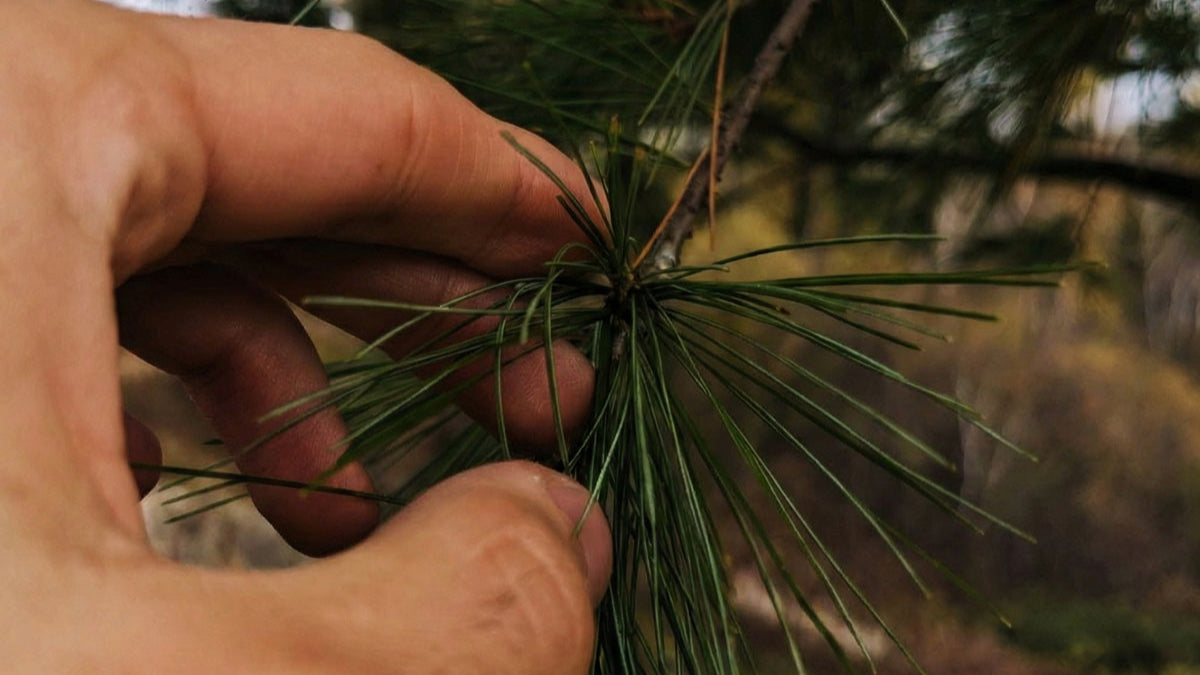
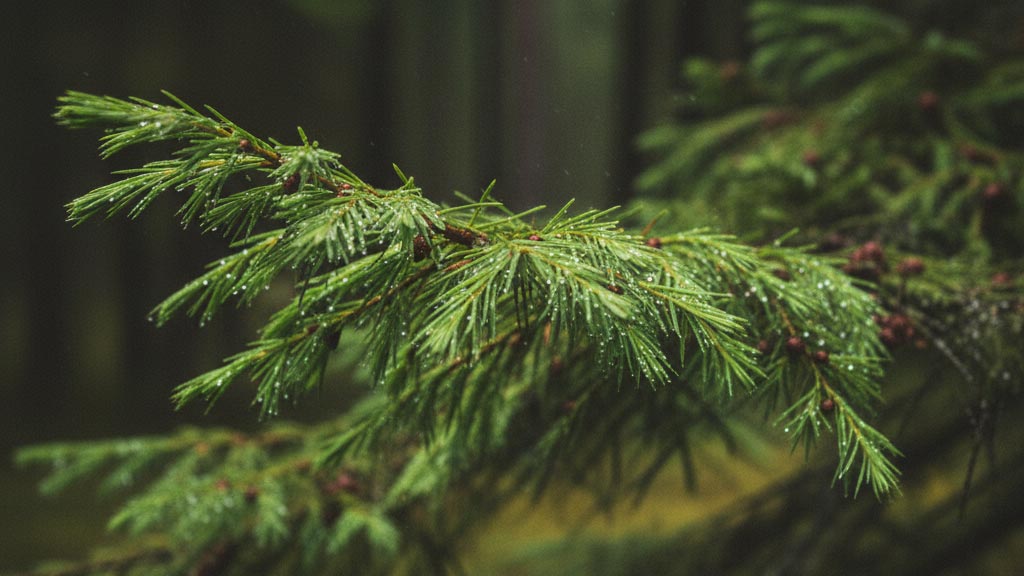
White pine needles are a beautiful bluish-green, offering a soft, soothing hue that contrasts with the darker green of other conifers. They measure 6 to 13 cm in length and are supple and soft to the touch, a distinctive characteristic among pines. It is the only native Canadian species with needles that grow in groups of five.
The bark, as mentioned, ranges from greenish-brown or grayish-green in young specimens to a darker grayish-brown with deep fissures in mature trees. The male flowers, which appear in spring, are small and yellow, while the female flowers are pale pink. The cones, green when closed, ripen in October, turning brownish when mature. The heartwood is pale brown, but may be tinged with reddish hues in older trees, while the sapwood is whitish or cream, yellowing upon exposure to air and light.
What is the size of the White Pine and its natural habitat?
The White Pine is a large tree, reaching an average height of 20 to 30 meters , with some specimens exceeding 35 meters. It is often considered the largest tree in Eastern Canada. Its growth is rapid in the early years, with new shoots growing up to a meter per year, but slows considerably once the tree reaches approximately 20 meters.
It can adapt to diverse habitats, from sandy ridges to sphagnum bogs, but prefers moist, well-drained sandy loam soils. It grows in deciduous and mixed forest areas, being rather rare in pure boreal forest. It does not tolerate deep shade and needs light to grow, preferring dry or moist but well-drained soils. It is intolerant of air pollution, making it a good indicator of air quality.
What is the lifespan of a white pine? Its natural lifespan is generally 200 years, but it can exceed 450 years under ideal conditions. How tall does a white pine get? It can reach an average height of 30 meters, and up to a maximum potential height of 35.3 meters. How tall is a 5-year-old white pine tree? At 5 years old, a white pine is generally about 30 cm tall, as its growth is slow in the first few years.
What are the characteristics of the White Pine?
Leaves (Needles): The needles of the White Pine are its most distinctive characteristic. They grow in groups of five (a unique feature among native Canadian pines), measure 6 to 13 cm long, are flexible, soft to the touch, and bluish-green. They contain terpenes, substances that, when released by rain, can inhibit the germination of certain plants growing beneath the tree. The needles do not all fall at once; White Pines shed needles every year, but they are evergreen, meaning they retain their needles for several years before they are replaced.
Do white pine trees lose their needles every year? Yes, like all evergreen conifers, they lose their oldest needles every year, but not all at the same time, which allows them to stay green.
Flowers: The White Pine is monoecious, meaning it bears both male and female flowers on the same tree. Flowering occurs in spring , from May to June. The male flowers are small, yellow pollen cones, while the female flowers, located at the tips of young shoots, are small, pale pink cones. Pollination is carried out by the wind.
Fruits (Cones): The fruit of the White Pine is a cone, or strobilus. The female cones are pendulous, often curved, and measure 8 to 20 cm in length. The scales are flexible and greenish when closed. The cones form in July and take two years to mature after pollination, releasing their winged seeds in August or September of the following year. Seed production is regular and biennial, with good seed years every 3 to 6 years and exceptional harvests every 10 to 12 years.
How to harvest White Pine
Harvesting White Pine, whether for its needles, shoots or resin, must be done with respect and knowledge to preserve the tree and its environment.
Where does the White Pine grow and where is it harvested?
White pine grows across much of eastern North America, from southeastern Manitoba and Newfoundland into the United States. It is found in a variety of habitats, including sandy ridges and sphagnum bogs , but thrives particularly well in moist, well-drained soils such as sandy loams. It is common in deciduous and mixed forests.
For harvesting, it's best to find it in its natural habitat, far from sources of pollution. Public or privately owned forests with permission are ideal locations. Avoid trees along roadsides or near urban areas, as they can accumulate pollutants. A high-quality White Pine will come from a clean, uncontaminated environment.
Is white pine good for privacy? Yes, white pines are excellent for creating privacy thanks to their dense, evergreen foliage. Should I plant a white pine? If you have enough space, suitable soil, and want a majestic tree that's also beneficial to wildlife, then yes, it's an excellent option. Where is the best place to plant white pine? It prefers full sun to partial shade and light, well-drained, sandy or gravelly soil. Avoid poorly draining soils or areas prone to blister rust. Does white pine like sun or shade? It cannot grow in deep shade and prefers full sun, although it can tolerate partial shade, especially when young.

Which part of the White Pine should be harvested and in what quantity?
Several parts of the White Pine can be harvested for edible and medicinal uses:
-
Needles: The young needles are the most aromatic and rich in vitamin C. Harvest them preferably in spring or early summer, taking only a few bundles per branch so as not to harm the tree.
-
Young shoots (pine candles): These tender shoots appear in spring and are ideal for syrups, confectionery, or flavoring. Harvest only a small amount per tree to allow for its growth.
-
Inner bark: Historically used, harvesting it can damage the tree and is therefore generally discouraged for amateur harvesters. If you need to harvest it, be sure to do so sustainably and with respect for the tree.
-
Sap/Resin: The sticky sap can be harvested in small quantities by making a shallow incision in the bark or by collecting the resin tears that naturally ooze from the tree.
-
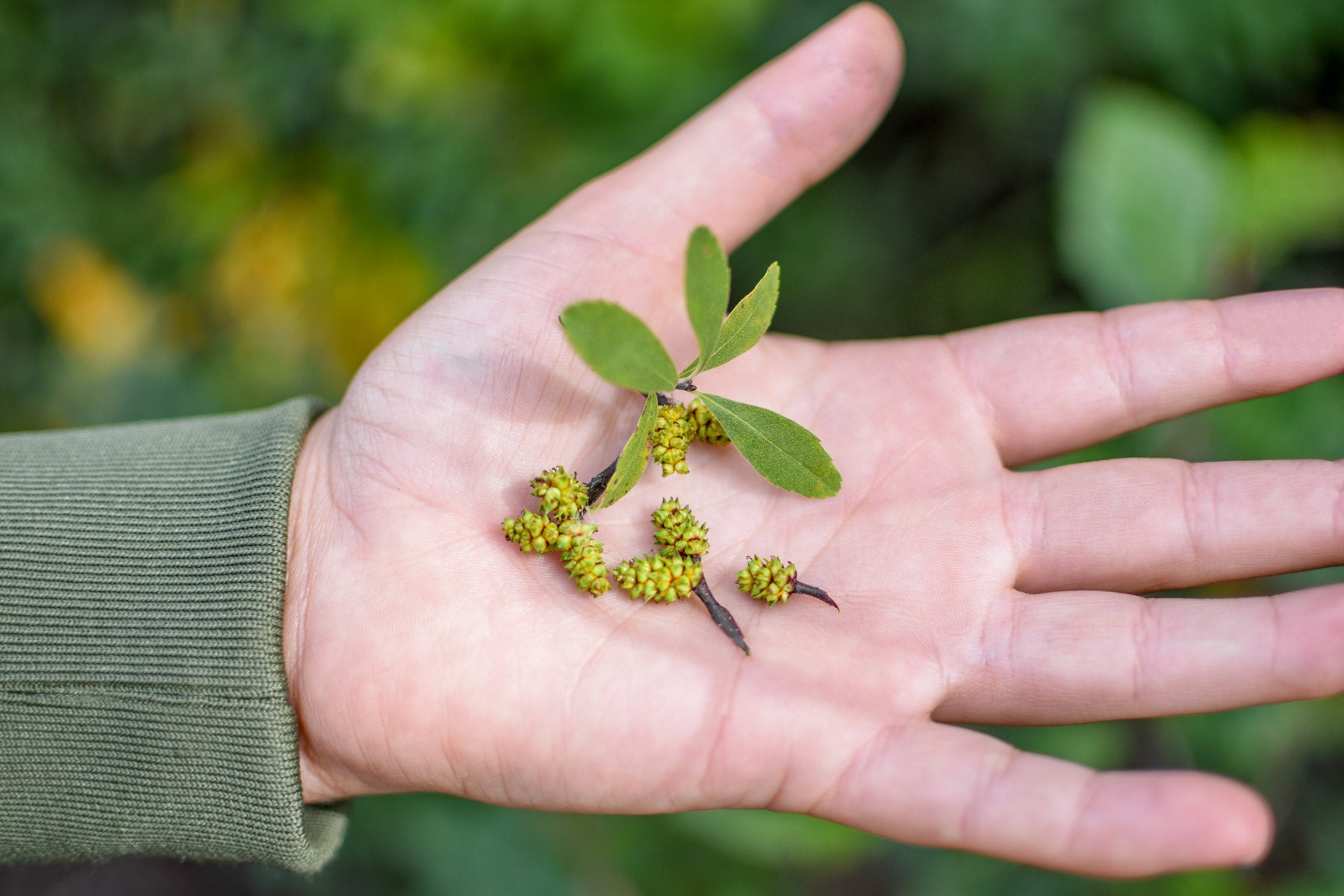
Male cones: The unopened male cones can be harvested in spring for their aromatic properties in cooking.
It is crucial never to overharvest a single tree. Sustainable harvesting involves taking small quantities from several different trees and ensuring that the harvest does not affect the tree's health. The golden rule is to never take more than 10-15% of a plant.
What tools should be used to harvest White Pine?
Harvesting White Pine does not require complex tools, but some basic equipment can facilitate the process and ensure respect for the tree:
-
Clean and sharp pruning shears: To cleanly cut needles or young shoots without tearing the tree's bark. Sharp pruning shears minimize damage to the tree, promoting better healing.
-
Basket or bag made of breathable fabric: For transporting needles and shoots. Avoid plastic bags, which can cause condensation and affect the freshness of the plant material.
-
Gloves (optional): Although the needles of the White Pine are soft, gloves can protect your hands from the resin, which is sticky and difficult to remove.
-
Small knife (for the sap): If you wish to collect sap, a small clean knife can be used to gently scrape off the resin exudates or make a small shallow incision.
Don't forget to bring water, a map and a compass (or GPS) if you venture into the forest, and to familiarize yourself with local harvesting rules.
What are the transformation methods?
After harvesting, proper processing is essential to preserve the qualities of the White Pine and make it usable in our products.
Factors influencing the quality of White Pine
Several factors can influence the quality of the needles and other parts of the White Pine harvested, and therefore the effectiveness of its benefits. The growing environment is paramount: a White Pine growing in rich, well-drained soil and under optimal sunlight will produce healthier needles with a higher concentration of active ingredients. Conversely, a tree stressed by drought, poor soil, or air pollution will see its quality diminish.
The presence of diseases or pests, such as white pine blister rust or the white pine weevil, can also affect the tree's vitality and, consequently, the quality of the harvested parts. A healthy white pine is a white pine rich in flavor and benefits.
Do white pines get needle cast? Yes, white pines can be affected by fungal diseases such as needle red ( Lophodermium spp. ) which can cause premature needle drop, affecting the health and quality of the tree.
The harvest season, the processing…
The harvest season plays a crucial role in the quality of White Pine. For needles and young shoots, spring and early summer are ideal, as this is when they are youngest, most tender, and richest in nutrients and aroma. Sap and resin can be harvested year-round, but are often more abundant during warmer periods.
After harvesting, rapid processing is essential. The needles and shoots must be gently cleaned to remove dust or small insects, then dried quickly to prevent mold growth and the loss of their properties. The drying method is crucial for preservation.
What can affect the quality of White Pine?
Several factors can affect the quality of harvested White Pine:
-
Air pollution: The White Pine is intolerant of pollution. Trees growing near busy roads or industrial areas can accumulate harmful substances.
-
Pesticides and herbicides: Using chemicals near trees can contaminate the harvested parts.
-
Diseases and parasites: A diseased tree will produce lower-quality needles and shoots. White pine blister rust, for example, can cause the death of the tree or affected parts.
-
Improper drying or storage: Excessive moisture during drying can lead to mold growth, while prolonged exposure to light or air after drying can degrade aromatic compounds and vitamins.
-
Inappropriate harvest time: Harvesting needles that are too old or shoots that are too lignified will reduce the aromatic and medicinal quality.
How to dry White Pine?
Drying is a key step in preserving the qualities of White Pine. Here is a simple and effective method:
-
Cleaning: After harvesting, gently rinse the needles and young shoots in cold water to remove any dirt. Drain them thoroughly and pat them dry with a clean cloth.
-
Arrangement : Spread the needles and shoots in a single layer on a sieve, grid, or tray covered with a clean cloth. Ensure good air circulation around the plant material.
-
Drying location: Choose a dry, well-ventilated location, away from direct sunlight and humidity. A dark, warm room (room temperature or slightly above) is ideal. A dehydrator can also be used at a lower temperature (around 35-40°C).
-
Drying time: Drying time varies depending on ambient humidity and the thickness of the harvested parts. It can take from a few days to a week. The needles should be brittle and the shoots very hard once dry.
-
Verification : Make sure the White Pine is completely dry before storing it. Any trace of moisture can lead to mold growth.
Conservation of White Pine: Recommendations
Once dried, proper storage is essential to maintain the freshness and properties of the White Pine.
How to preserve White Pine?
To best preserve the aromas and benefits of dried White Pine, follow these recommendations:
-
Airtight containers: Store the White Pine in glass jars with airtight lids or resealable paper or aluminum food bags. This protects the plant material from moisture, air, and contaminants.
-
A dark and cool place: Store the containers in a cool, dark cupboard, away from direct sunlight, heat, and moisture. Light and heat can degrade the active compounds and alter the flavor.
-
Avoid humidity: Humidity is the number one enemy of dried white pine, as it promotes mold growth. Ensure the storage area is dry and that containers are tightly sealed.
-
Labeling: Label your containers with the harvest and drying dates for easy tracking of freshness.
How long can you keep White Pine?
Properly dried and stored, White Pine can be kept for approximately 1 to 2 years while retaining much of its aroma and properties. Beyond this period, it does not necessarily become unsafe to consume, but its flavor and medicinal qualities will begin to diminish.
For infusions, you'll notice the aroma becomes less pronounced. For medicinal uses, the potency of the active ingredients may diminish. It's therefore best to replenish your supply regularly to fully benefit from its properties. Shelf life can also depend on the part of the tree used; whole needles will generally keep better than crushed or cut parts, which have a larger surface area exposed to air.
Traditional and Historical Uses of White Pine
The history of the White Pine is rich and testifies to its importance to the peoples who have inhabited our lands for millennia.
White Pine in Ancestral Practices
The White Pine was not only a resource, but an essential companion in the daily and spiritual lives of the First Nations.
How was White Pine used in the past?
The First Nations of North America have used White Pine in many ways, long before the arrival of Europeans. Its uses were varied, ranging from food and medicine to crafts.
-
Traditional medicine: The White Pine was a cornerstone of Indigenous herbalism. Its resin, bark, and needles were used to treat a wide variety of ailments. Poultices were prepared from the crushed inner bark for cuts, wounds, burns, and boils, thanks to its antiseptic and vulnerary properties. Infusions of the needles were drunk to soothe sore throats, coughs, colds, and flu, acting as an expectorant and providing a good dose of vitamin C to combat scurvy. Decoctions of young twigs were even used for kidney and lung problems. Turpentine from the resin was used as a rub for rheumatic pain.
-
Food : In times of famine, the soft, nutritious inner bark was a valuable food source, eaten raw or cooked. The tender young shoots were chewed or boiled. The seeds, though small, were also consumed. White pine was a survival food and an important dietary supplement.
-
Crafts and tools: The light, easily worked wood was used to make canoes, shelters, and tools. Pitch, obtained from the resin, was used to waterproof canoes, baskets, and containers, as well as to preserve the wood. The sticky sap was chewed like gum.
-
Clothing and dyeing: The bark fibers could be used to make ropes or mats. The needles, meanwhile, could be used to obtain an ochre or green dye.
What is the folklore of the white pine? In First Nations folklore, the white pine, with its needles in groups of five, often symbolizes wisdom, peace, and longevity. It is sometimes called the "Tree of Peace," particularly among the Haudenosaunee (Iroquois), where it represents the unity of the Five Nations. Its majestic stature and resilience make it a powerful symbol of strength and connection to the land.
What were the culinary uses of White Pine in the past?
The culinary uses of White Pine by First Nations were certainly less elaborate than our modern cuisines, but essential for their subsistence and well-being.
-
Inner bark: As mentioned, the inner bark was a source of carbohydrates and fiber. It was often dried, ground into a powder, and mixed with flour to make bread or thicken soups. Its flavor is slightly sweet, making it palatable even when eaten on its own.
-
Young shoots (candles): The spring shoots were eaten fresh for their tangy, resinous flavor. They could be boiled or simply chewed for their vitamins and freshness. They offered a welcome touch of greenery after the long winters.
-
Seeds: The small seeds, although tedious to collect in large quantities, were eaten raw or roasted, adding some fat and protein to the diet. They were often used as a condiment or snack.
-
Drinks: Needle infusions were a daily drink for many, not only for their medicinal properties but also for their refreshing taste and vitamin content.
The Religious or Spiritual Use of White Pine
The White Pine held profound spiritual significance for many First Nations. It was not simply a tree, but a sacred entity.
-
Tree of Peace: Among the Haudenosaunee, the White Pine is the Tree of Great Peace, beneath which the weapons were buried to seal the union of the five nations that made up the Iroquois Confederacy. Its needles, grouped in fives, symbolize this union. It is a powerful emblem of reconciliation, stability, and collective strength. It is featured on the flag and coat of arms of Montreal for this reason.
-
Connection to the spiritual world: Trees in general, and the White Pine in particular, were considered links between earth and sky, living beings endowed with spirits. The resin was sometimes burned as incense in ceremonies to purify the air and attract good energies.
-
Symbol of longevity and wisdom: Its great size and long life made it a symbol of ancestral wisdom and connection to past generations. It was a silent witness to events and stories.
-
The Cultural Importance of the White Pine
Beyond its practical and spiritual uses, the White Pine has left an indelible mark on the culture and history of our regions.
-
Provincial and urban identity: It is the emblematic tree of Ontario, highlighting its ecological and historical importance to the province. As mentioned, its presence on Montreal's coat of arms makes it a powerful symbol of Indigenous identity and heritage.
-
Historical economic role: For European settlers, the white pine was a major economic driver. Its massive trunks were invaluable resources for shipbuilding, supplying masts for ships of the British Royal Navy, which greatly influenced the economy and development of the colonies. This intense demand shaped the history of forestry and colonization in North America.
-
Natural heritage: White pine stands are now considered essential elements of our natural heritage, living witnesses to the richness of our forests of yesteryear. Their conservation is crucial for maintaining biodiversity and the balance of ecosystems.
The Health Benefits of White Pine
White Pine is a true ally for our well-being, offering a range of health benefits thanks to its rich natural components.
Properties and Effects of White Pine on the Body
The chemical composition of the White Pine gives it remarkable properties.
What are the properties of the White Pine?
The White Pine possesses a range of medicinal properties that make it a powerful natural remedy:
-
Antiseptic: The resin and volatile oils of the White Pine possess strong antiseptic properties, useful for preventing wound and respiratory tract infections.
-
Expectorant: It helps to clear the airways by thinning mucus and promoting its expulsion, which is very beneficial in cases of chesty cough, bronchitis or congestion.
-
Diuretic: It stimulates urine production, helping the body eliminate toxins and supporting kidney and bladder function.
-
Vulnerable: It promotes the healing of wounds and skin conditions.
-
Antiscorbutic: Thanks to its high vitamin C content, it helps prevent and treat scurvy, a disease caused by a deficiency in this essential vitamin.
-
Anti-inflammatory: Some of its components may help reduce inflammation, which is useful for rheumatic pain or irritations.
-
Rubefacient: When applied topically (for example as a liniment), it causes an influx of blood to the surface of the skin, helping to relieve muscle and joint pain.
-
Mucilage: The inner bark contains mucilage, a substance which, upon contact with water, forms a soothing gel, useful for softening irritated mucous membranes of the throat and stomach.
Is white pine good for anything? Yes, white pine is good for many things! It is an excellent expectorant, antiseptic, diuretic, and rich in vitamin C. Its properties make it a valuable ally for respiratory health, skin, and general well-being.
Benefits of White Pine by Category
Let's explore in more detail the specific applications of the benefits of White Pine.
White Pine for coughs and respiratory ailments
White pine is traditionally recognized as a remedy of choice for the respiratory system. Its expectorant and decongestant properties are particularly effective against coughs, colds, flu, bronchitis, and other respiratory ailments.
-
Cough relief: The dried inner bark of the white pine acts as a decongestant and expectorant, helping to loosen mucus and make it easier to expel. This is why it is often found as an ingredient in cough syrups. An infusion of the needles can soothe a sore throat and reduce the frequency of coughing fits.
-
Clearing the airways: Inhaling vapors from White Pine infusion, or using essential oil in a diffuser, can help open nasal and bronchial passages, relieving congestion and easing breathing, especially in cases of sinusitis or bronchitis.
-
Antiseptic action: The antiseptic compounds in White Pine help fight bacterial or viral infections in the respiratory tract, which can contribute to a faster recovery from winter illnesses.
Avoid internal use if suffering from asthma or bronchitis. Although White Pine is beneficial for respiratory conditions, it is crucial to avoid internal consumption if you suffer from asthma or chronic bronchitis without consulting a healthcare professional, as the resinous compounds could potentially irritate sensitive airways in some individuals.
White Pine for healing and skin
The antiseptic and vulnerary properties of White Pine make it an excellent ally for skin health and healing.
-
Treatment of wounds and burns: Traditionally, the resin or crushed bark was applied as a poultice to cuts, grazes, minor burns, and boils. Its antiseptic properties helped prevent infection, while its vulnerary compounds promoted rapid healing. Pitch extracted from the resin was used to draw toxins from boils and reduce pain.
-
Skin conditions: Liniments or balms made from White Pine could be used to relieve various skin conditions, such as mild eczema or irritations, thanks to its soothing and anti-inflammatory effects.
-
Protection and sanitation: The antibacterial and antifungal properties of the resin can help protect the skin against certain microorganisms. Powdered wood was even used as baby powder on irritated skin or poorly healed navels.
Avoid if allergic. As with any natural product, if you have known allergies to conifers or other plants, it is best to do a skin test on a small area before applying White Pine products to a larger area, in order to avoid any adverse reaction.
White pine as a source of vitamins and antioxidants
White pine is a significant natural source of essential nutrients.
-
Rich in vitamin C: Young white pine needles are particularly rich in vitamin C, a powerful antioxidant essential for the proper functioning of the immune system, collagen production, and the protection of cells against free radical damage. Regular infusions of these needles were an effective way to prevent scurvy, especially in winter when fresh sources of vitamins were scarce.
-
Vitamins and minerals: In addition to vitamin C, White Pine also contains vitamin A (in precursor form), which is important for vision and skin health, as well as other minerals and trace elements beneficial to the body.
-
Antioxidants: Like many plants, White Pine contains antioxidant compounds that help neutralize free radicals, thus contributing to cell protection and slowing down aging. These antioxidants strengthen the immune system and help maintain good overall health.
These properties make White Pine a valuable ingredient for Floèm infusions, which seek to capture the essence of the benefits of boreal flora.

How to Consume or Use the White Pine Ingredient?
Whether for its flavors or its virtues, the White Pine offers various ways to be integrated into your daily life.
Different Forms of Products Made from White Pine
White pine can be used in different forms, each with its own advantages.
White Pine in herbal tea
This is one of the simplest and most popular ways to consume White Pine. Infusions of fresh or dried needles are aromatic, comforting, and allow you to fully benefit from its expectorant and antiseptic properties, as well as its vitamin C content. A White Pine herbal tea is ideal for moments of relaxation or for soothing sore throats and cold symptoms.
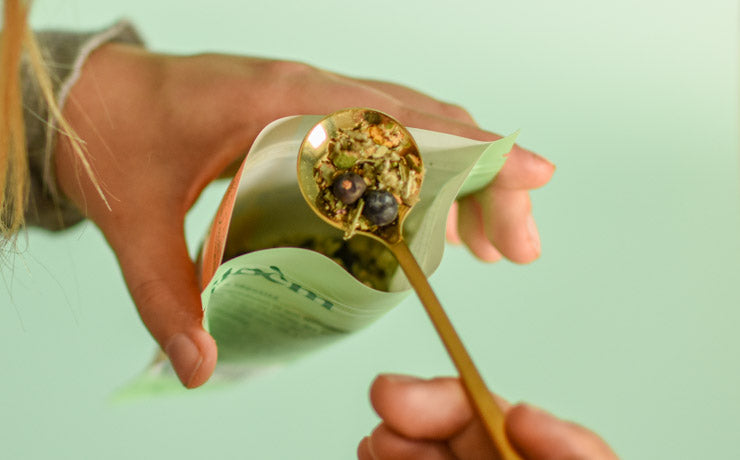
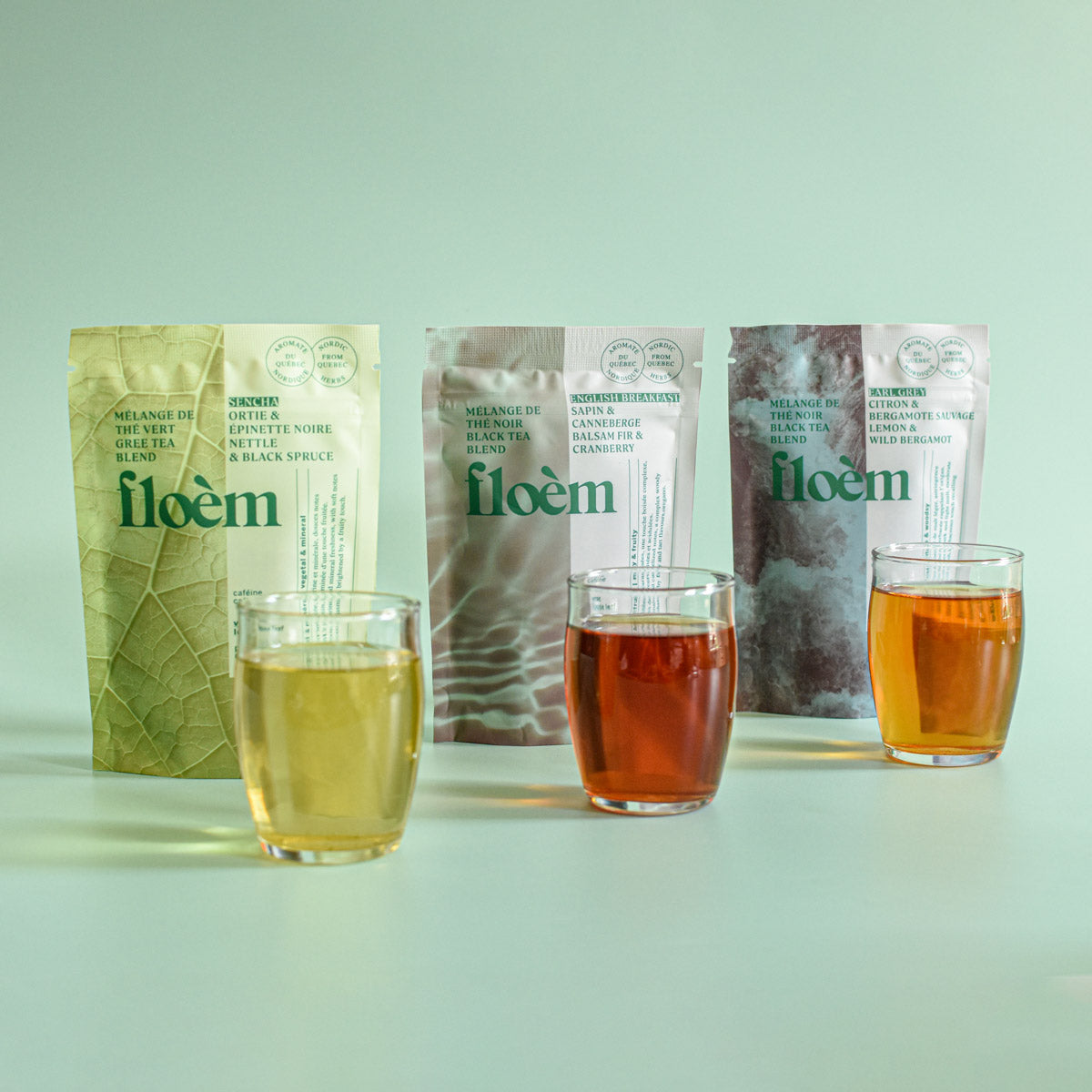
Floèm infusions highlight these qualities by combining White Pine with other boreal herbs to create unique flavors and synergies of benefits.
The White Pine in the Kitchen
In cooking, White Pine is a bold forest ingredient that can pleasantly surprise the taste buds.
-
Syrups and jellies: The young shoots can be transformed into delicate syrups or jellies, adding a resinous and slightly lemony touch to desserts, pancakes or drinks.
-
Flavoring: The needles can be infused in oil, vinegar, or alcohol to create unique flavorings for salads, marinades, or cocktails. The seeds can be used as a condiment.
-
Condiment: The young, unopened male cones, when boiled, can be used as a condiment, providing a sweet and resinous flavor.
-
Desserts: The vanillin notes obtained as a by-product of the resin can be used in desserts.
White Pine in homemade body products
Thanks to its skin-friendly properties, White Pine is an excellent ingredient for homemade body products.
-
Balms and ointments: An oily maceration of White Pine needles can be the basis for soothing balms and ointments for irritated skin, small wounds, insect bites or muscle pain.
-
Handmade soaps: White pine infusion can be used as a liquid base in soap making, providing a woody fragrance and purifying properties.
-
Aromatic baths: Adding fresh or dried White Pine needles to bath water can create a relaxing and invigorating experience, helping to clear airways and soothe sore muscles.

Methods for Preparing White Pine: Recipes and Instructions
Here are some ideas and methods for incorporating White Pine into your daily life.
Recipe ideas using White Pine
-
White Pine Shoot Syrup:
-
Ingredients: 1 cup of young White Pine shoots, 2 cups of water, 1 cup of sugar.
-
Preparation: Rinse the sprouts. In a saucepan, bring the water to a boil, add the sprouts, and simmer for 15 minutes. Remove from the heat, cover, and let steep for several hours or overnight. Strain the liquid, add the sugar, and bring back to a boil. Reduce until syrupy. Bottle in a sterilized container. Ideal on pancakes or in cocktails.
-
-
Cold infusion of White Pine (for summer):
-
Ingredients: 1/4 cup of White Pine needles (fresh or dried), 1 liter of cold water, a few slices of lemon (optional).
-
Preparation: Place the pine needles and lemon in a pitcher. Pour in cold water and let it infuse in the refrigerator for 4 to 8 hours. Strain and serve chilled. A refreshing and invigorating drink.
-
-
Aromatic bath sachet:
-
Ingredients: A handful of white pine needles, a small muslin bag or a reusable tea filter.
-
Preparation: Place the needles in the bag. Hang the bag on the bathtub tap while the water is running, or let it steep directly in the hot bath.
-
How to brew White Pine into herbal tea?
For the perfect hot herbal tea:
-
Dosage: Use approximately one tablespoon of fresh needles or one teaspoon of dried needles per cup (250 ml) of water. Adjust the amount according to the desired flavor intensity.
-
Preparation : Bring water to a boil. Remove from heat and pour over the white pine needles.
-
Infusion: Cover the cup to retain the essential oils and let it steep for 5 to 10 minutes. The longer you let it steep, the stronger the flavor will be.
-
Filtration: Filter out the needles before consuming.
-
Customization: You can add a touch of honey, maple syrup or a slice of lemon to sweeten the taste or add a tangy note.
The ideal brewing temperature is just below boiling point (approximately 90-95°C) so as not to "burn" the delicate aromas.
How much White Pine should I consume?
The amount of White Pine to consume depends on the use and form.
-
As an herbal tea: For general use or enjoyment, 1 to 3 cups per day is a reasonable amount. For specific needs (e.g., a cold), you can temporarily increase the amount, but always listen to your body.
-
In the kitchen: The quantities are usually small, used for flavoring rather than as a main ingredient. Follow the recipe instructions.
-
For medicinal uses: It is strongly recommended to consult a healthcare professional or qualified herbalist for precise dosages, especially when using concentrated extracts or essential oils. Self-medication with high doses is never advised.
The astringent taste may cause stomach discomfort. Excessive consumption of white pine, especially the bark or highly concentrated decoctions, can cause stomach upset in some people due to its astringent taste and tannin content. Always start with small amounts to see how your body reacts.
Instructions for Use of White Pine and Precautions for Use
For safe and effective use of White Pine, it is crucial to know the best practices and warnings.
When is the best time to consume White Pine?
White pine can be consumed at different times of the day depending on the desired effect:
-
The morning : A White Pine herbal tea can be an excellent tonic to start the day, bringing vitality and clarity of mind.
-
During the day: To relieve the symptoms of a cold or cough, you can drink a cup every few hours.
-
The evening : Although it is not a sedative, its soothing scent can promote relaxation before bedtime, especially if it helps clear the airways for a better night's sleep.
-
In the kitchen: Use it according to the recipes, usually during meals.
Warnings regarding White Pine
Although White Pine is a natural product with many benefits, certain precautions are necessary:
-
Allergies: People sensitive to conifers or other plants in the Pinaceae family may experience allergic reactions (dermatitis upon contact with the wood, sawdust, or resin). Avoid if you have known allergies.
-
Asthma and bronchitis: Avoid internal consumption if you suffer from asthma or chronic bronchitis without medical advice, as volatile oils could irritate sensitive airways.
-
Gastric irritation: Excessive consumption of certain parts of the tree, due to its astringent taste, can cause stomach upset in some people.
-
Identification: Always make sure you have correctly identified the White Pine before consuming it. There are other conifers that could be toxic.
-
Drug interactions: Although no major interactions are documented for White Pine, it is always wise to consult a health professional if you are taking medication, especially diuretics or blood thinners, as White Pine has diuretic properties.
At-risk populations and White Pine (always speak with a healthcare professional before use)
Certain populations should be particularly vigilant or avoid consuming White Pine without medical advice:
-
People suffering from asthma or chronic respiratory diseases: As mentioned, volatile oils can potentially trigger seizures in sensitive individuals.
-
People with kidney problems: Although it is a diuretic, its use should be monitored for people with existing kidney problems.
-
People with known allergies: Caution is advised in case of allergy to conifers.
-
People taking medication: It is always crucial to discuss the use of any herbal product with your doctor or pharmacist to avoid unwanted interactions.
If in doubt, or if you have a medical history, always consult a healthcare professional before using White Pine for medicinal purposes. This recommendation is essential to guarantee your safety.
Pregnant women and children and the White Pine
The use of White Pine in pregnant women and young children should be approached with extreme caution and always under medical supervision.
-
Pregnant women: As a precautionary measure, the use of herbal products, including White Pine, is generally discouraged during pregnancy and breastfeeding, unless otherwise advised by a healthcare professional. The effects of essential oils and active compounds on the fetus or infant are not always well studied and can vary.
-
Young children: Young children have more sensitive respiratory systems and more delicate digestive systems. Very diluted infusions in very small quantities may sometimes be tolerated to relieve a mild cold, but it is essential to consult a pediatrician or healthcare professional before use. White pine essential oils are strongly discouraged for very young children, especially when inhaled directly.
It is always best to err on the side of caution and seek the advice of a qualified healthcare professional before administering White Pine remedies to these vulnerable populations.

Conclusion: The White Pine, a Precious Ally of the Boreal Flora
The White Pine, with its majestic stature and numerous virtues, is much more than just a tree. It is a true symbol of the richness and resilience of our boreal flora, a precious ally for our health, well-being, and cultural heritage.
Summary of the Benefits and Uses of White Pine
Together we explored the many facets of this exceptional tree.
Everything you need to know about White Pine
The White Pine ( Pinus strobus ) is an iconic conifer of Eastern North America, known for its large size and needles grouped in fives, soft to the touch.
-
Edible: Its young shoots, needles, inner bark, and seeds are edible, offering fresh, resinous, and slightly lemony flavors. They are used in infusions, syrups, confectionery, and as culinary seasonings.
-
Medicinal: It is a powerful expectorant, antiseptic, diuretic, and vulnerary. Traditionally used for respiratory ailments (coughs, colds, flu), sore throats, skin problems (wounds, burns, boils), and as a source of vitamin C to prevent scurvy.
-
Well-being : Its woody aroma is purifying and soothing in aromatherapy, promoting mental clarity and relaxation. It is also used in homemade body care products.
-
Historical and cultural: It played a central role for First Nations (Peace Tree, food, medicine) and for European settlers (shipbuilding timber). Today, it is a symbol for Ontario and the City of Montreal.
-
Ecological: A resilient and long-lived tree, it prefers well-drained soils and full sun, but is sensitive to air pollution and certain diseases such as blister rust.
-
Precautions: Although natural, it requires precautions for use, particularly for people with asthma or allergies, pregnant women, and young children. Always consult a healthcare professional before medicinal use.
The White Pine is a living testament to the generosity of nature, a treasure to be valued and protected for future generations.
Quality and Respect for the Environment for White Pine
A commitment to quality and sustainability is at the heart of Floèm's approach.
How to choose a quality White Pine? (Floèm call to action)
Choosing high-quality White Pine products ensures you fully benefit from their aromas and properties. Here are some essential criteria:
-
Origin: Choose white pine with a clearly identified origin from healthy, unpolluted forests. White pine is sensitive to air pollution, which can affect its quality.
-
Harvesting methods: Ensure that the harvest has been carried out sustainably and with respect for the tree and the environment, without overexploitation. Floèm's harvesters are trained in these practices to guarantee the sustainability of the resource.
-
Drying and processing: The quality of the drying and processing methods is crucial to preserving the active ingredients and flavors of White Pine. Rapid drying at low temperatures is ideal.
-
No additives: Look for pure products, free from additives, preservatives, or artificial flavorings. The purity of the ingredients guarantees an authentic experience.
At Floèm, we are committed to offering you the purest and highest quality White Pine, carefully harvested from the boreal forests of Quebec. Our infusions are designed to capture the true essence of this majestic tree, for your well-being and enjoyment.
Why should you choose an environmentally friendly White Pine and where can you get it? (Get it from Floèm)
Choosing an environmentally friendly White Pine is not only a guarantee of quality for your health, but also a strong gesture for the preservation of our ecosystems.
-
Preservation of biodiversity: Excessive or irresponsible harvesting can threaten White Pine populations and disrupt the delicate balance of the forest. By choosing sustainably sourced products, you contribute to the conservation of this precious resource and its habitat.
-
Quality and purity: White pine harvested in a clean, uncontaminated environment guarantees a product free of pesticides, heavy metals, and other pollutants. This is essential for an ingredient intended for consumption.
-
Support for ethical practices: By choosing companies that value responsible harvesting and respect for nature, you support a local and sustainable economy that takes care of our forests.
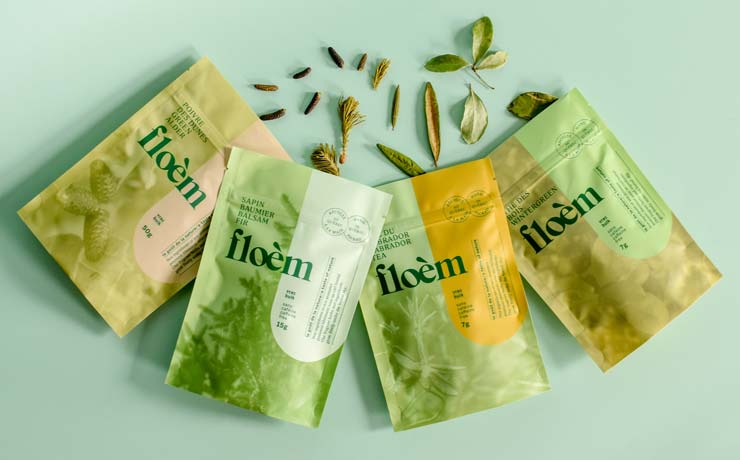
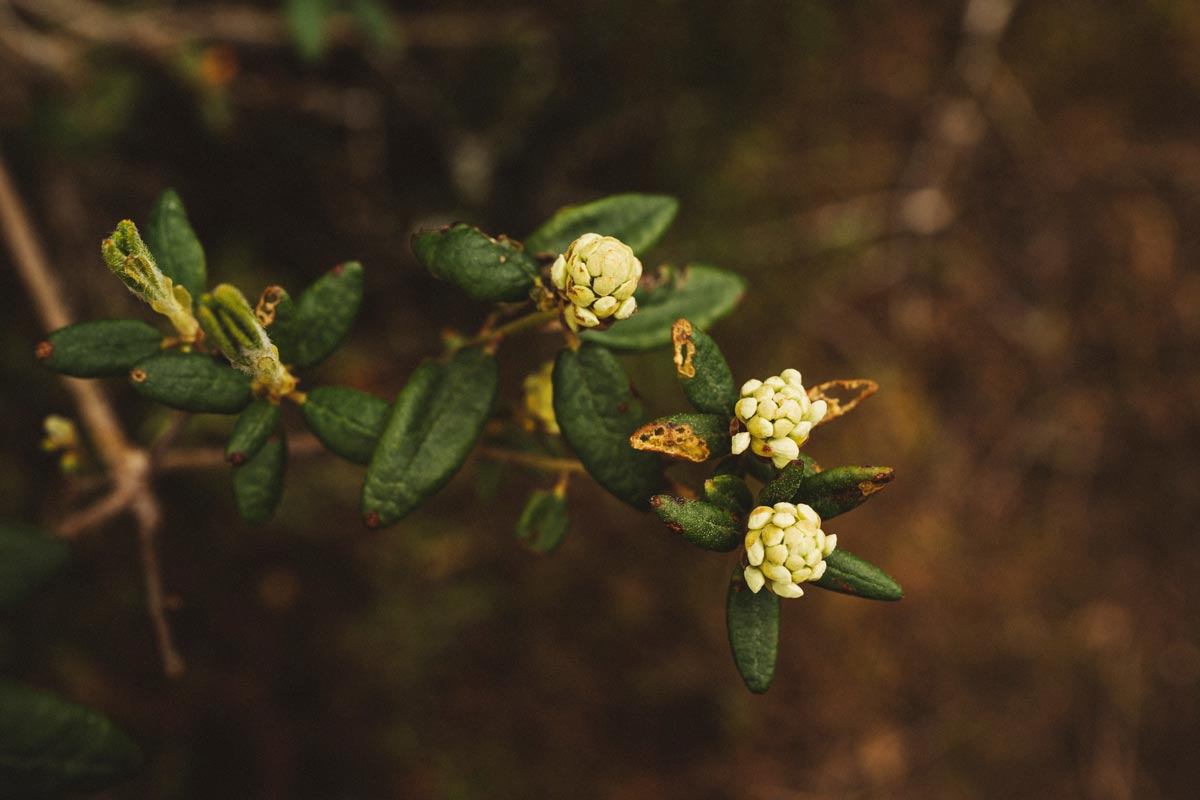
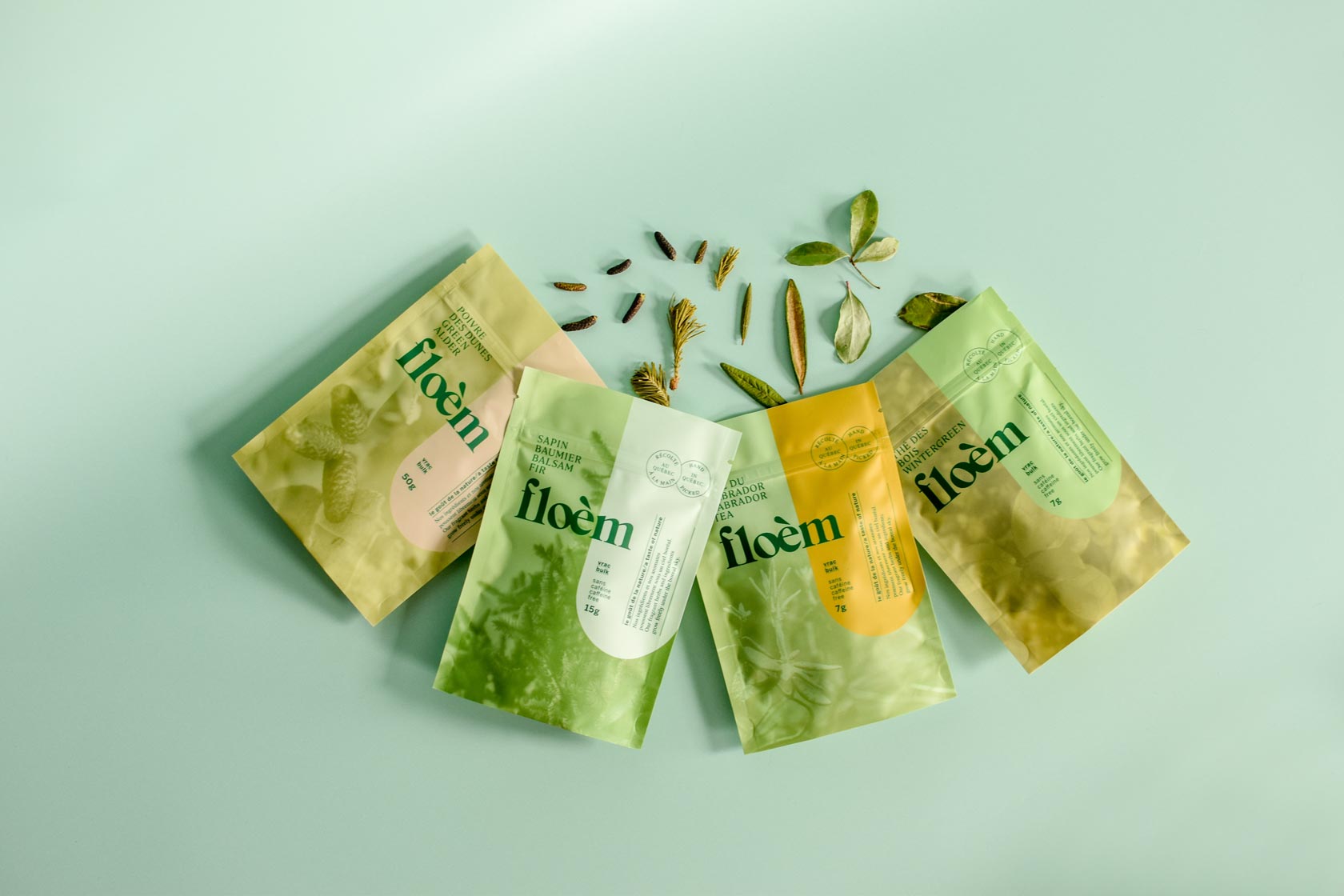
That's why at Floèm , we're proud to offer you infusions made with Labrador leaves and other boreal herbs, including White Pine , sourced from wild harvesting that is both sustainable and environmentally friendly. Our harvesters, experts in boreal flora, hand-pick these precious raw materials, taking care never to disturb the ecosystem.
Discover the purity and benefits of White Pine in our unique infusions. Let yourself be transported by the authentic flavors of our forests and make Floèm your source for quality boreal products, harvested with passion and respect.






4 comments
Exzellent ist untertrieben.
Einer solchen Fülle von verschiedensten Infos bin ich noch nie begegnet, meine Hochachtung!
Karl-Ludwig Dr. Wagner
Exzellent ist untertrieben.
Einer solchen Fülle von verschiedensten Infos bin ich noch nie begegnet, meine Hochachtung!
Karl-Ludwig Dr. Wagner
Excellent
Evelyn Mizner
Excellent article, well written.
Thank you
France Hamel - Riddell
Leave a comment
This site is protected by hCaptcha and the hCaptcha Privacy Policy and Terms of Service apply.