



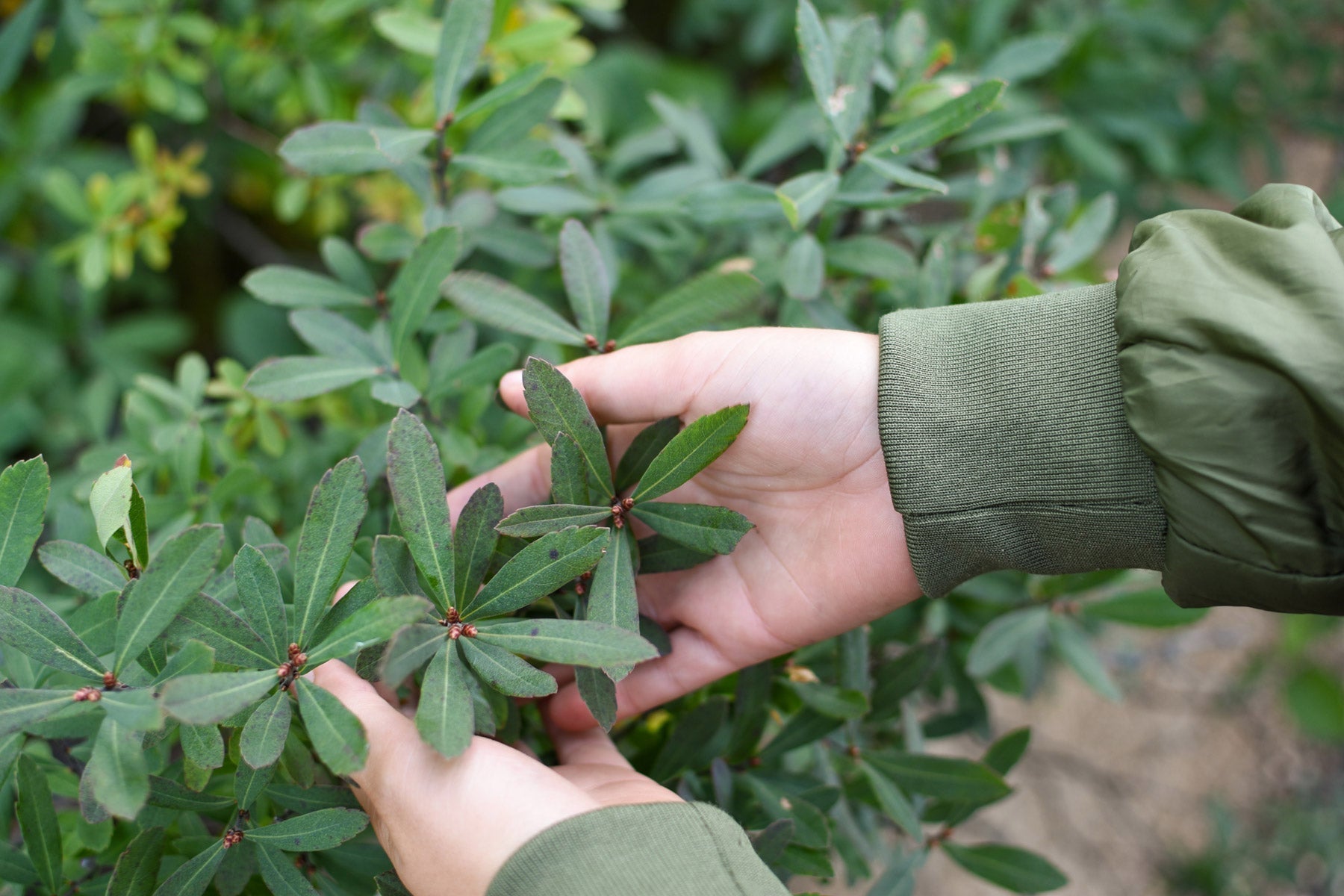
Sweet gale: its benefits, uses and natural habitat
Introduction to the world of the sweet gale
Deep in the boreal forest, where the soil turns to peat and the air is thick with cool moisture, grows a forgotten aromatic treasure: sweet gale . At Floèm, we explore these wild expanses of Quebec to rediscover and celebrate these plants that have shaped the history of our land. If you have ever walked near a lake or river in Quebec and been captivated by a sweet, spicy, and resinous scent, you have likely encountered this exceptional shrub. Often called "sweet wood," sweet gale is much more than just a wild plant; it is a northern spice of rare complexity, an age-old remedy, and a cornerstone of the boreal ecosystem.
In this article, we'll explore everything there is to know about sweet gale (Myrica gale). From its fascinating historical origins, where it was used to flavor Viking beer long before the arrival of hops, to its modern applications in haute cuisine and herbal medicine, we'll answer many of your questions, such as: how do I use it in cooking? What are its medicinal properties? And most importantly, how do I distinguish it from other "balsam-like" plants like fir? Get ready to delve into the captivating world of this iconic plant of our flora.

Sweet gale: Introduction
Sweet gale is a plant that leaves no one indifferent. The moment its leaves are crushed, an explosion of aromas occurs, evoking travel and exoticism, yet firmly rooted in our northern lands. It is a plant of character, robust and generous, deserving a place of honor in our pantries and home remedies.
What is sweet gale?
Sweet gale is a deciduous shrub belonging to the Myricaceae family. It is native to most northern regions of the world. Unlike the conifers its name "balsam" might suggest (such as the balsam fir), sweet gale is a deciduous tree. It grows mainly in dense colonies, forming impenetrable thickets along the edges of bodies of water.
What distinguishes it biologically is its ability to fix atmospheric nitrogen through a symbiotic relationship with microorganisms in its roots, thus enriching the poor, acidic soils of the peat bogs where it thrives. It is a pioneer plant and a structuring element for wetland ecosystems. For the flavor enthusiast, it is above all an inexhaustible source of aromatics: its leaves, catkins (flowers), and fruits (often called nutlets or seeds) are all usable and rich in essential oils.
What does sweet gale taste like?
Describing the taste of sweet gale is a sensory adventure. It's a complex flavor that evolves in the mouth. It's often called "northern nutmeg" because of its warm, peppery notes, but the comparison is reductive.
On the attack, one perceives resinous and slightly bitter notes, reminiscent of hops or fir resin, quickly followed by a spicy warmth akin to pepper, clove, and bay leaf. On the finish, hints of citrus and eucalyptus may emerge, leaving a refreshing sensation. This complexity makes it an extremely versatile ingredient, capable of replacing pepper, nutmeg, and bay leaf in a recipe, while also contributing a unique "forest" character.
What are the origins and historical overview of the sweet gale?
The history of sweet gale is closely linked to that of brewing. Long before hops became the norm in Europe (around the 15th century), it was sweet gale (known as Scabies Or Bog Myrtle (in English) which was the main ingredient in "Gruit". Gruit was a mixture of herbs used to flavor and preserve beer.
The Vikings drank sweet gale beer to bolster their courage and, according to some legends, to enter a berserker trance, although this was likely due to other mushrooms or plants consumed simultaneously. In medieval Europe, sweet gale was so important that specific taxes were levied on its harvest. In Quebec and North America, First Nations have used it for millennia, not for beer, but as a sacred medicinal plant, incense, dye, and insect repellent.
The main benefits of sweet gale: edible, medicinal, and beneficial.
Sweet gale is a multifaceted plant. It is not limited to a single use, but transcends the boundaries between food, medicine, and body care.
Sweet gale tea
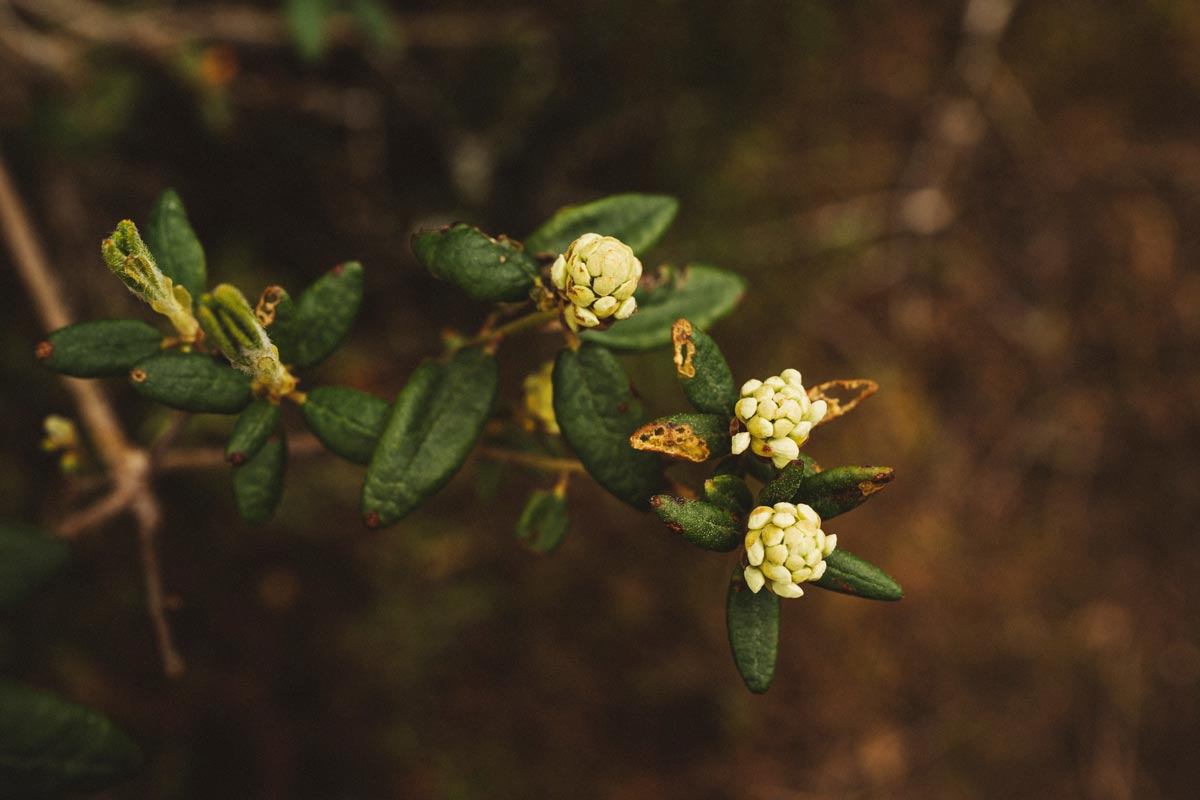
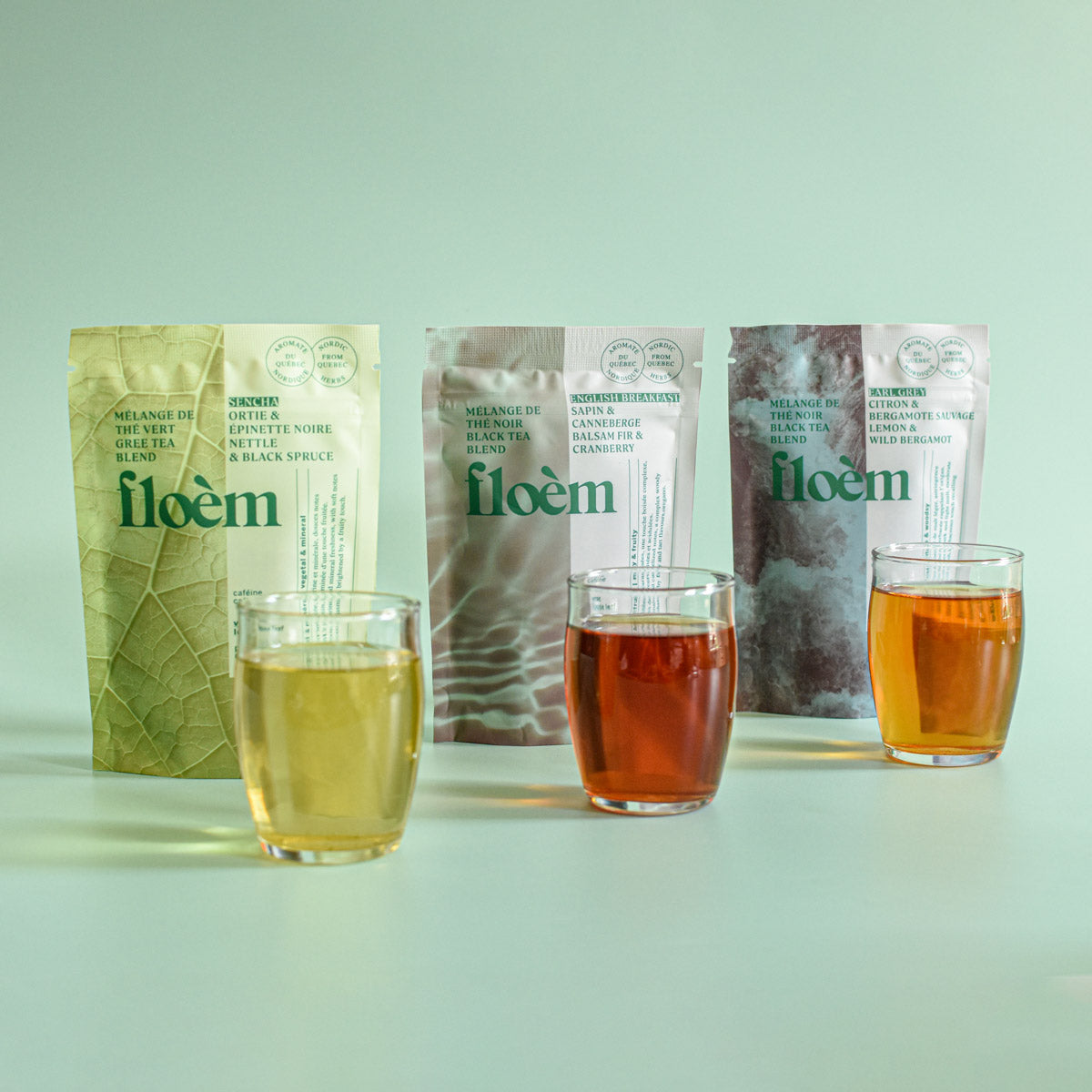
As an infusion, sweet gale offers a golden, comforting, and digestive beverage. Unlike regular tea, which contains caffeine, sweet gale infusion is soothing. It is often used after a heavy meal to aid digestion. However, due to its strong aroma, it is often blended with other, milder herbs, such as Labrador tea or wild mint, to create balanced blends like those we offer at Floèm .
Sweet gale in the kitchen
In the kitchen, sweet gale is the king of wild spices.
Is sweet gale a spice? Absolutely. Its dried leaves (whole or ground) and fruits (catkins/seeds) are used as a condiment. It excels in marinades for wild game (moose, deer) or pork, in poultry broths, and even in desserts, where it pairs surprisingly well with dark chocolate or red berries. It's a key ingredient in modern Nordic cuisine.
Sweet gale for health
From a medicinal standpoint, sweet gale is known for its astringent, stomachic, and antiseptic properties. It has long been used to treat digestive problems, fevers, and bronchial ailments. We will detail its specific uses later, but suffice it to say that it constitutes a small pharmacy in itself.
Sweet gale for well-being (aromatherapy)
The essential oil extracted from sweet gale is potent. It is used in diffusers to purify the air and create a relaxing atmosphere conducive to meditation. A fascinating anecdote concerns its connection to dreams: placing sweet gale leaves under the pillow is a folk practice believed to promote lucid dreams and improve dream recall. It is a plant that speaks to the mind as much as to the body.

Everything you need to know about the ingredient Sweet gale
To use a plant effectively, one must first learn about it intimately. Let's examine its botany and scientific identity.
Sweet gale: botanical name, synonyms
Botanical accuracy is essential, as several plants have similar vernacular names.
The scientific name and etymology of Myrica gale
The scientific name for sweet gale is *Myrica gale* . The generic term *Myrica* derives from the Greek word *myrike*, meaning "perfume" or "ointment," referring to the plant's aromatic scent. The specific epithet *gale* is of uncertain origin, possibly derived from the Old English or Celtic word for the plant itself.
Where does the name Sweet gale and other common names for sweet gale come from?
In French, it is called Myrique baumier, but also very commonly "Bois-sent-bon" (Scented Wood), a charming name that perfectly describes its main characteristic. It is also sometimes called "Piment royal" (Royal Pepper), a reference to its past use as a luxury spice, or "Myrte des marais" (Marsh Myrtle) (translation from English). Bog Myrtle ).
A common point of confusion: people often ask, " What is the balsam fir used for?" " Or " Can you eat balsam fir? "by confusing it with sweet gale. The balsam fir ( Abies balsamea ) is a conifer (a needle-bearing tree) that produces fir gum. Although both are edible and aromatic, they are two completely different species. The fir has a lemony, resinous taste, while sweet gale is spicy and peppery."
Where does the sweet gale come from? (native origin of sweet gale)
Sweet gale has a circumboreal distribution. This means it is found all around the North Pole: in North America (Canada, northern United States), Northern Europe (Scotland, Scandinavia, Russia), and parts of Asia. In Quebec, it is ubiquitous, from the Laurentians to the Ungava tundra. It is a native plant perfectly adapted to our harsh climates.
Detailed description of the sweet gale and its natural habitat
To spot it in nature, you need to know how to observe.
What does the sweet gale look like? (appearance and shape)
Sweet gale is a bushy shrub that typically reaches 1 to 1.5 meters in height , although some specimens can reach 2 meters ( How tall is sweet gale? ). It has a branching silhouette, with upright, dark reddish-brown branches dotted with small, light-colored lenticels (tiny spots that allow for gas exchange).
What are the colors of the sweet gale?
The leaves are grayish-green or dull green on top, and paler underneath. In autumn, they don't turn a vibrant red like maples, but instead yellow or brown before falling. The buds and male catkins, present in winter, have a very distinctive burnt orange or golden-brown hue that allows the shrub to be identified even under snow.
What is the size of the sweet gale and what is its natural habitat?
Sweet gale lives with its feet in the water. Its preferred habitat is the riparian zone: lake shores, slow-moving rivers, and especially peat bogs and fens (minerotrophic bogs). It tolerates temporary flooding. It often grows alongside speckled alder and sphagnum moss. Where to plant sweet gale? If you want to have it at home, it absolutely needs acidic and constantly moist, even waterlogged, soil in full sun.
What are the characteristics of sweet gale? (leaf, flower, fruit)
-
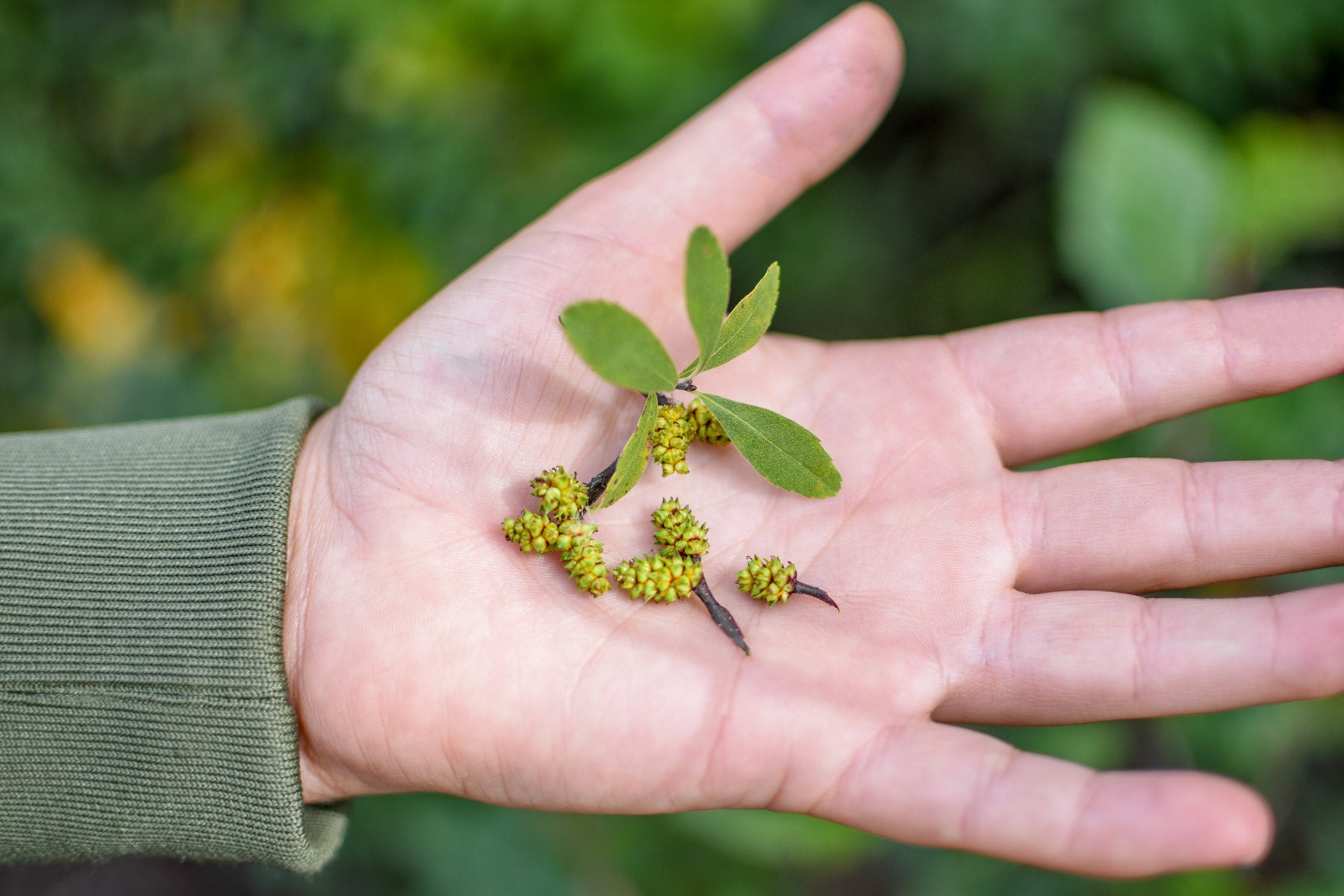
Leaves : They are alternate, lance-shaped (oblanceolate), and toothed towards the tip. Under magnification, one can see that they are studded with small yellow resinous glands: this is where the essential oil resides.
-
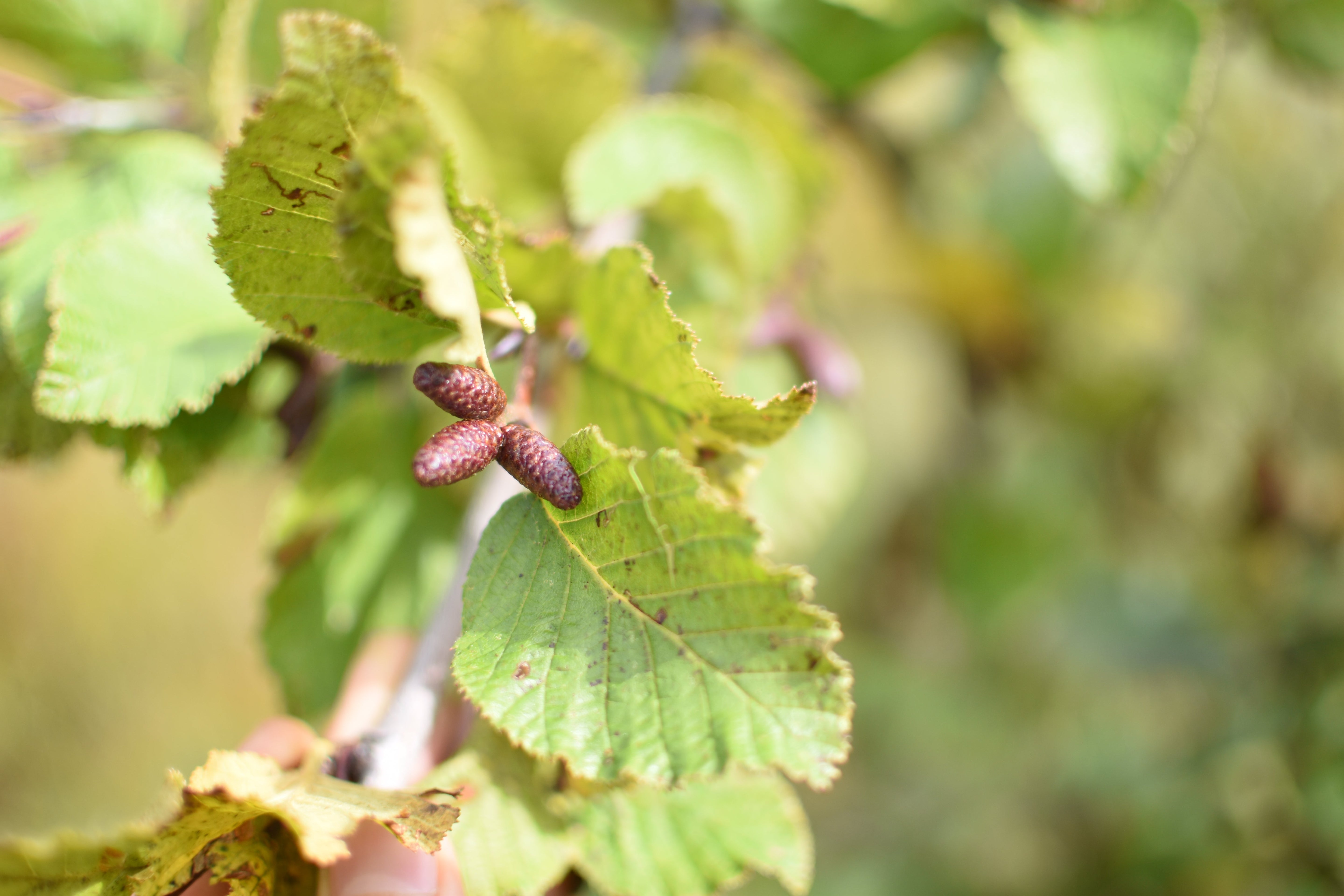
Flowers: The plant is dioecious (generally), meaning there are separate male and female plants. The flowers are catkins without petals, which appear in spring before the leaves.
-
Fruits: On female plants, the flowers transform into spikes of small resinous seeds (nutules), green then brown, very aromatic.
How to harvest sweet gale
Wild harvesting requires respect and knowledge. At Floèm, our harvesters follow strict protocols to ensure the sustainability of the resource.
Where does sweet gale grow and where is it harvested?
It is sought in open wetlands. Where can I find sweet gale? Look for the edges of natural lakes in Quebec, far from polluted or industrial areas. Peat bogs are ideal locations. However, be careful, these environments are fragile. Walk carefully to avoid damaging the sphagnum moss.
Which part of the sweet gale should be harvested and in what quantity?
The leaves and fruits (the fruiting catkins) can be harvested. The golden rule of ethical harvesting is to never take more than a third of the plant, and not to harvest from all the plants in a colony. Enough fruit must be left for reproduction and for wildlife.
What tools should be used to harvest sweet gale?
A pair of clean, sharp pruning shears is essential. Never pull branches by hand, as this damages the bark and makes them more susceptible to disease. A wicker basket or a fabric bag (cotton or netting) is preferable to plastic to prevent the harvest from heating up and fermenting before you return home.
What are the transformation methods?
Once picked, sweet gale must be processed quickly to preserve its volatile aromas.
Factors influencing the quality of sweet gale
The quality depends on the amount of summer sunshine, soil moisture, and the speed of drying. Sweet gale harvested after a long period of rain will be less concentrated in essential oils than after a few days of sunshine.
The harvest season, the processing…
When can sweet gale be harvested?
-
The leaves: They are harvested from the end of June until the beginning of September, when their oil content is at its maximum, but before they start to turn yellow.
-
The fruits ( catkins ): They are harvested at the end of summer or the beginning of autumn (August-September), when they are well formed and resinous.
-
The buds: Some harvest them early in the spring for specific uses, but this is less common.
What can affect the quality of sweet gale?
Direct sunlight (UV) destroys essential oils once the plant is cut. Excessive heat during drying (over 40°C) causes the most subtle aromas to evaporate. Residual moisture leads to mold growth.
How to dry sweet gale?
Ideally, dry the leaves in the shade, in a dry and well-ventilated area. You can spread the branches on drying racks or hang them upside down in bouquets. A food dehydrator set to a low temperature (35°C) is very effective for detached leaves. The drying process is complete when the leaf crackles under your fingers.
Conservation of sweet gale: recommendations
How to preserve sweet gale?
Once dry, sweet gale should be stored in airtight containers (glass jars, sealed bags) away from light. Light oxidizes chlorophyll and terpenes.
How long can you keep sweet gale?
When properly stored, it retains its properties for 12 to 18 months. Whole leaves retain their aroma longer than crushed leaves. It is therefore advisable to crush the sweet gale just before use.

Traditional and historical medicinal uses of sweet gale
The link between man and sweet gale is thousands of years old.
Sweet gale in ancestral practices
How was sweet gale used in the past?
Besides beer, Nordic peoples used sweet gale to dye wool. It produces a beautiful yellow color, which turns khaki with an iron mordant. In Sweden, sweet gale branches were placed in linen closets to repel moths, taking advantage of its natural insecticidal properties. Fresh leaves were also rubbed on the skin to repel mosquitoes in the summer.
What were the culinary uses of sweet gale?
Before the arrival of exotic spices (pepper, cinnamon) accessible to all, sweet gale was the "poor man's pepper" in some rural areas. It was used to mask the sometimes strong taste of preserved meats or game.
The religious or spiritual use of sweet gale
Among some Indigenous nations, sweet gale could be used in sacred smoking mixtures (kinnikinnick) or burned in ceremonies to purify the space, much like white sage, although its use is less documented than the latter.
The cultural importance of the sweet gale
It is part of Quebec's terroir identity. To rediscover its scent is to rediscover the path to the cottage, trout fishing, and childhood memories. It symbolizes the resilience of flora that thrives in difficult conditions (acidic, flooded soils).
The health benefits of sweet gale
Disclaimer: The following information is provided for educational purposes only and is not a substitute for professional medical advice.
Properties and effects of sweet gale on the body
What are the properties of sweet gale?
Sweet gale contains flavonoids, tannins, and an essential oil rich in terpenes (alpha-pinene, cineole, myrcene). Its main properties are:
-
Astringent: it tightens tissues (useful for skin and mucous membranes).
-
Stomachic and carminative: it promotes digestion and the expulsion of gas.
-
Antimicrobial: it helps fight against certain bacteria and fungi.
Benefits of Sweet Gale by category
Sweet gale for digestion
This is its most well-known use. A light infusion of sweet gale helps soothe indigestion, mild cramps, and bloating. It stimulates bile production, aiding in the digestion of fats.
Sweet gale for the skin
Thanks to its astringent tannins and antiseptic compounds, a decoction of sweet gale applied as a compress can help treat acne, small cuts or soothe itching from insect bites.
What ailments do bay leaves treat? Often compared to bay, sweet gale shares some antiseptic properties, but bay is more commonly used externally for rheumatism. Sweet gale, on the other hand, is excellent for oily or irritated skin.
Sweet gale for the respiratory system
Although less potent than balsam fir for the bronchi ( what are the medicinal uses of balsam fir? Fir is a powerful expectorant and respiratory antiseptic), sweet gale has interesting properties against colds thanks to its cineole (eucalyptol) content. Inhaled, it can help clear the airways.

How to consume or use the ingredient Myrica balsam?
Let's get practical! Integrating sweet gale into your daily routine is simple.
Different forms of sweet gale-based products
Sweet gale tea
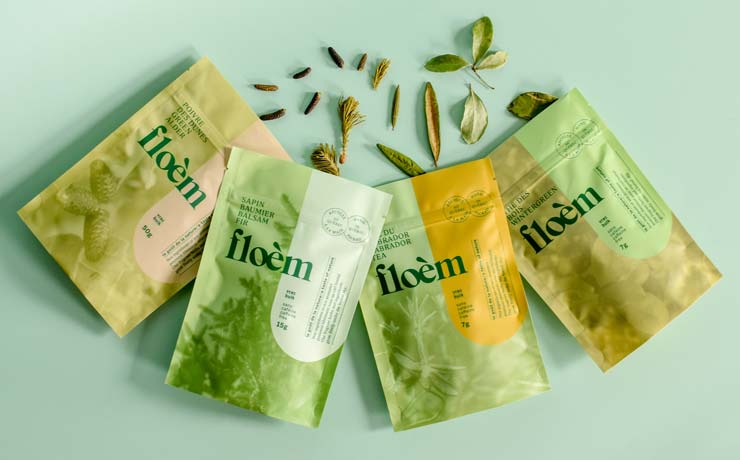
It is sold pure or in blends. At Floèm, we incorporate it into compositions where its pronounced taste is balanced by floral or fruity notes (such as cornflower or wild rose).
Sweet gale in the kitchen
It can be bought in whole dried leaves, in powder form, or in the form of dried catkins. How can I use sweet gale in cooking? Think of it whenever you would use bay leaf or nutmeg.
Sweet gale in homemade body products
You can macerate dried leaves in vegetable oil (sunflower, sweet almond) for 4 weeks to obtain a soothing and fragrant massage oil, ideal for muscle pain or to repel mosquitoes on summer evenings.

Methods for preparing sweet gale: recipes and instructions
Recipe ideas with sweet gale
-
Boreal marinade for pork or chicken: Mix maple oil, maple syrup, wholegrain mustard, and a teaspoon of crushed sweet gale. Marinate the meat for 4 hours before grilling.
-
Aromatic salt: Mix sea salt with crushed sweet gale and dried lemon zest. Perfect on white fish.
-
Forest gin and tonic: add two sweet gale catkins or a small leaf to your glass of gin for an immediate wild touch.
- Touski soup with sweet gale and mugwort : "touski" soup is a great all-purpose solution allowing you to incorporate these two essential spices.
How to brew sweet gale into an herbal tea?
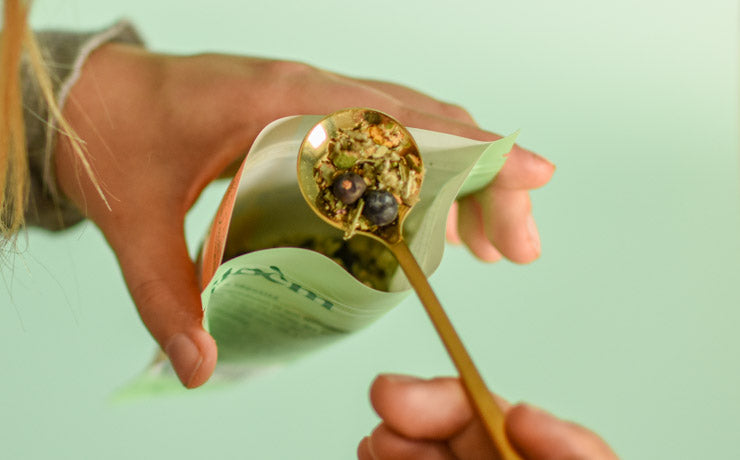
Use about 1 teaspoon of crumbled leaves per cup (250 ml) of hot water.
-
Water temperature: 90°C (simmering, not boiling vigorously to avoid burning the aromas).
-
Infusion time: 5 to 7 minutes. Cover your cup to prevent the essential oils from evaporating.
How much sweet gale should I consume?
Because it's a potent plant, moderation is key. In cooking, a pinch is often enough. As an herbal tea, 1 to 2 cups a day is a good average.
Instructions for using sweet gale and precautions for use
This is where vigilance is essential. Natural does not mean completely harmless.
When is the best time to consume sweet gale?
It can be consumed at any time, but it is particularly pleasant after dinner to aid digestion. Its potential effects on dreams suggest evening consumption for those who wish to explore their dream world.
Warnings concerning sweet gale
Sweet gale essential oil contains ketones that can be neurotoxic in very high doses. Never ingest pure essential oil without medical advice. Using the whole plant (leaf, fruit) in culinary quantities or as an infusion is safe for a healthy adult.
At-risk populations and the sweet gale
People with severe liver disorders should consult a doctor before using it regularly for therapeutic purposes.
Pregnant women and children and the sweet gale
Warning: sweet gale is known abortive (may cause miscarriage) if consumed in large quantities, due to its stimulating effect on the uterus (emmenagogue). As a precautionary measure, it is Not recommended for pregnant women. It should be used during the first trimester and its therapeutic use should be avoided throughout pregnancy. Its culinary use (a pinch in a dish) is generally considered safe, but caution is still advised. It is also not recommended for very young children.
Conclusion: Sweet gale, a valuable ally
Sweet gale is a source of pride for our boreal flora. It embodies the wild richness of Quebec: a strong character, resilience to the climate, and unparalleled aromatic generosity.
Summary of the benefits and uses of sweet gale
Everything you need to know about the sweet gale
-
It is a shrub of wetlands (peat bogs).
-
It has a peppery, resinous taste, reminiscent of nutmeg and bay leaf.
-
It is an excellent digestive aid and a versatile culinary flavoring.
-
It should be avoided during pregnancy.
-
It is different from the balsam fir (conifer), although both are emblematic of the North.
Quality and respect for the environment for the sweet gale
How to choose a quality sweet gale?
Good sweet gale should be green (for the leaves) or a rich brown (for the catkins), and above all, it should have a strong aroma as soon as you open the bag. If it has no scent, move on. Choose whole products over very fine powders that oxidize quickly.
Why should we favour an environmentally friendly sweet gale and where can we obtain it?
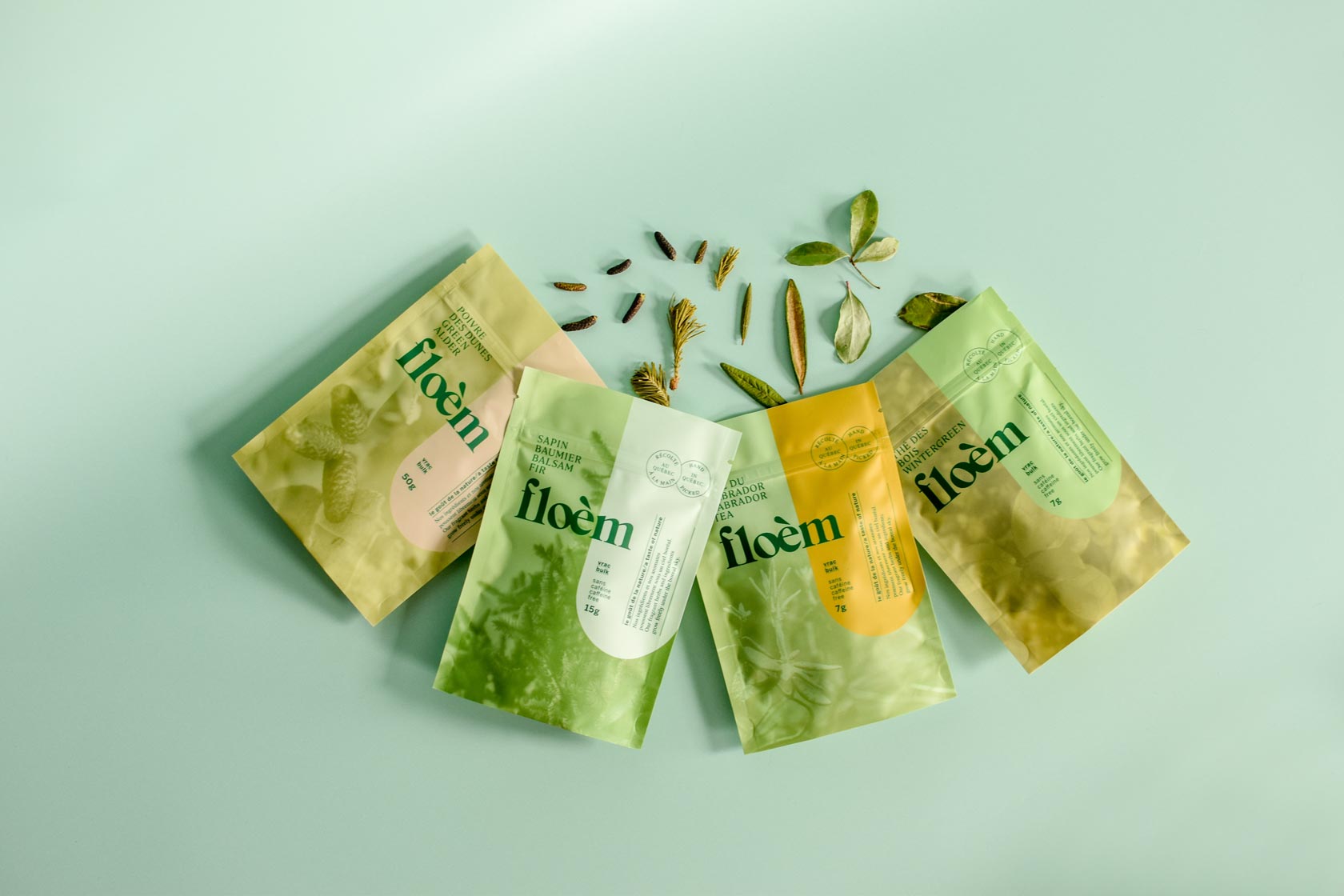
Wild harvesting can damage ecosystems if done incorrectly. Choosing sweet gale from a responsible company like Floèm ensures that the plant has been hand-picked at the right time, respecting the regeneration of the colony and the surrounding habitat.
By incorporating sweet gale into your daily routine, you're doing much more than adding a spice to your dishes: you're supporting the local economy, reconnecting with nature, and preserving ancestral knowledge. Let yourself be captivated by the aroma of this fragrant wood and bring a little piece of the boreal forest home with you.






1 comment
Je voudrais commander myrtique beaumier thé du labrador et poivre des dunes en contenant essais ! Puis-je Merci
Élise Clement
Elise Clément
Leave a comment
This site is protected by hCaptcha and the hCaptcha Privacy Policy and Terms of Service apply.