




Sweet clover: its benefits, uses, and natural habitat
Introduction to the World of Sweet Clover
Sweet Clover: Overview
What is Sweet Clover?
If you are interested in the richness of wild flora, a fascinating question often arises: what is Quebec vanilla? Sweet clover, also called yellow sweet clover or small sweet clover, is a wild plant with a sweet fragrance that grows in abundance in the prairies and rich soils of Quebec. Rising proudly with its clusters of delicate small flowers, sweet clover is an annual or biennial plant of the Fabaceae family. It transforms our summer landscapes into true aromatic fields. At Floèm, we consider this plant not just a simple herb, but an invaluable boreal treasure.

So, is sweet clover Quebec vanilla? Absolutely! This is the affectionate and well-deserved nickname given to it by the province's foragers and chefs. This honorary title highlights the plant's incredible olfactory richness, which rivals the complexity of the most precious tropical spices. Sweet clover is carefully harvested in the wild, then dried under strict conditions to preserve all its aromatic richness and its traditional benefits in herbal medicine. It embodies our territory's ability to offer us surprisingly gourmet flavors.
What does Sweet Clover taste like?
The gustatory discovery of this plant is always a moment of wonder. Many curious people ask: what does sweet clover taste like? or what is the flavor of sweet clover? Nicknamed boreal vanilla, sweet clover unfolds a complex and intoxicating aromatic bouquet. Its flavor is distinguished by deep notes of vanilla and sweet almond, carried by a herbaceous freshness reminiscent of freshly cut hay. On the palate, this gourmet profile evolves into delicate nuances of wild cherry and tonka bean, offering a smooth and warm experience that evokes the sweetness of Nordic summers.
This characteristic scent comes from a natural molecule abundant in the plant: coumarin. It is what captivates the senses and gives that sweet impression without the slightest addition of sugar. Whether you smell it while walking down a country road or when opening a bag of our Floèm herbal teas, the scent of sweet clover leaves no one indifferent. It is an invitation to a sensory journey, a comforting flavor that transforms hot water into a golden, soft, and incredibly comforting liqueur, perfect for enhancing your moments of relaxation.
What are the origins and historical overview of Sweet Clover?
Sweet clover's journey through time and continents is fascinating. Originally from Europe and certain regions of Asia, sweet clover (Melilotus officinalis) crossed the oceans to majestically naturalize in North America. Historically, it has not always been seen only for its flavor. Ancient peoples of Eurasia widely used it in their traditional pharmacopoeia to treat various inflammatory ailments, and even to protect their clothes, as its strong smell once dried proved to be an excellent natural repellent.
In Quebec and Canada, although it was initially introduced as a fodder crop and to stabilize agricultural soils, sweet clover escaped from fields to colonize wild spaces. Today, it is an integral part of our boreal botanical landscape and has become the emblem of new local gastronomy. Its rediscovery as local "vanilla" is part of a powerful movement to reappropriate local flavors, a movement that Floèm proudly supports by collaborating with foragers respectful of these traditions.
The Main Interest of Sweet Clover: Edible, Medicinal, Wellness, etc.
Sweet Clover in herbal tea
Herbal tea is by far one of the purest and most accessible ways to discover this plant. Its herbal tea reveals a golden infusion with soft, vanilla aromas, reminiscent of honey and tonka bean. A subtle touch of fresh hay and wild vanilla gives it a comforting and slightly sweet flavor, perfect at the end of the day. If you like warm drinks that envelop the mind, sweet clover is often enough on its own.
To be enjoyed as is or with a hint of honey to enhance its natural notes, sweet clover infusion also has excellent relaxing properties. It is not only a pleasure for the taste buds, but also a balm for the nervous system. By combining it with other treasures of the boreal flora, such as wintergreen or Labrador tea, spectacular aromatic synergies are obtained that tell the story of the Quebec forest with each sip.
Sweet Clover in cooking
The integration of this wild herb into our dishes is generating great enthusiasm: how to use sweet clover in cooking? The answer is vast, as its culinary potential is immense. In cooking, it divinely perfumes desserts, creams, ice creams and pastries thanks to its vanilla notes. Simply infuse the dried flowers and leaves in a fatty or liquid substance (such as milk, cream, or melted butter) for the coumarin to release all its flavors. It is the secret ingredient for a panna cotta or crème brûlée with purely boreal accents.
However, it is not limited to sweet dishes. Some audacious chefs use it as a fine powder, like a spice, to rub game meats or enhance sauces accompanying white fish. So, how can one eat sweet clover? It is most often consumed infused or in the form of an extracted aromatic essence. Although very young spring leaves can be added sparingly to salads, it is truly through milky or syrupy infusion that it reveals its true gourmet nature, easily replacing imported vanilla pods.
Sweet Clover for health
Beyond its gastronomic prowess, sweet clover is a first-rate medicinal plant. Used for centuries, it is globally recognized for its beneficial action on the circulatory system. Its bioactive compounds act to tone venous walls and improve blood circulation, offering significant relief to those suffering from heavy legs, varicose veins or hemorrhoids. It is a gentle natural blood thinner, which has been the subject of numerous studies in modern phytotherapy.
It also has antispasmodic and slightly sedative properties. Consumed as an herbal tea, it helps soothe digestive spasms and congestive menstrual pain. It is the ideal companion for difficult end-of-meal or evenings marked by nervous tension. By integrating sweet clover into your habits, you invite gentle, natural medicine into your daily life, supporting the balance of your body holistically.

Sweet Clover for wellness
The world of wellness and natural cosmetics also highlights this versatile plant. In aromatherapy or integrated into care rituals, the honeyed and vanilla scent of sweet clover is deeply grounding. It helps dissipate mental stress and promotes a calm and serene state of mind. Smelling dried sweet clover leaves is like taking a soothing walk in a sunny field.
For the body, many wonder what are the benefits of sweet clover for the skin? Thanks to its emollient and anti-inflammatory properties, it is wonderful when used in an oily macerate, hydrolate or compress to soothe the skin. Sweet clover poultices were also traditionally used to calm redness, severe bruises and local inflammation, offering a soothing and restorative skin care, straight from nature.
All about the Sweet Clover Ingredient
Sweet Clover: Botanical Name, Synonyms
The scientific name and Etymology of Sweet Clover
To properly identify our boreal vanilla, one must turn to botany. The scientific name of the most commonly harvested species for its aromas is Melilotus officinalis. This species belongs to the large Fabaceae family (legumes). The etymology of its genus, Melilotus, is revealingly poetic: it comes from the Greek "meli", meaning "honey", and "lotos", which designated various fodder plants or clovers. Literally, sweet clover is "honey clover", a name that highlights both its formidable attraction for bees and its sweet fragrance.
The epithet officinalis (officinal) indicates that this plant was traditionally sold in apothecaries' "officines". This proves that long before being the star of our Quebec pastries, sweet clover enjoyed a recognized medical status across Europe for treating various daily ailments, a heritage that modern herbalists continue to cherish.
Where does the name Sweet Clover come from and other common names for Sweet Clover
If you are looking to purchase this plant, you might be wondering: what is another name for sweet clover? Sweet clover wears many hats depending on the region and language. In French, it is often called "trèfle jaune" (yellow clover), "petit mélilot" (small sweet clover), "couronne royale" (royal crown) or "mélilot officinal" (officinal sweet clover). These local names all refer to its appearance (similar to clover) or its stature (crown).
In English literature, it is universally known as Yellow sweet-clover or Melilot. The name "sweet-clover" once again emphasizes the sweet aroma it gives off. This profusion of synonyms testifies to the plant's familiarity with rural populations and foragers throughout the ages, long before it was crowned "Quebec vanilla."
Where does Sweet Clover come from? (indigenous origin of Sweet Clover)
Although sweet clover is now ubiquitous in the North American landscape, it is not a native species of North America. Its geographical roots lie in Eurasia (Europe to East Asia). Early European settlers brought it with them to the American continent, primarily to enrich depleted agricultural soils and to provide nutritious and melliferous forage for livestock and bees.
It has adapted so well to Nordic climatic conditions that it is now naturalized in almost all Canadian provinces and American states. Quebec, with its varied soils and cold winters followed by hot summers, offers it an ideal playground. Thus, although adoptive, sweet clover has become a strong identifying ingredient of Quebec's wild terroir.
Detailed description of Sweet Clover and natural habitat
What does Sweet Clover look like? (visual and form)
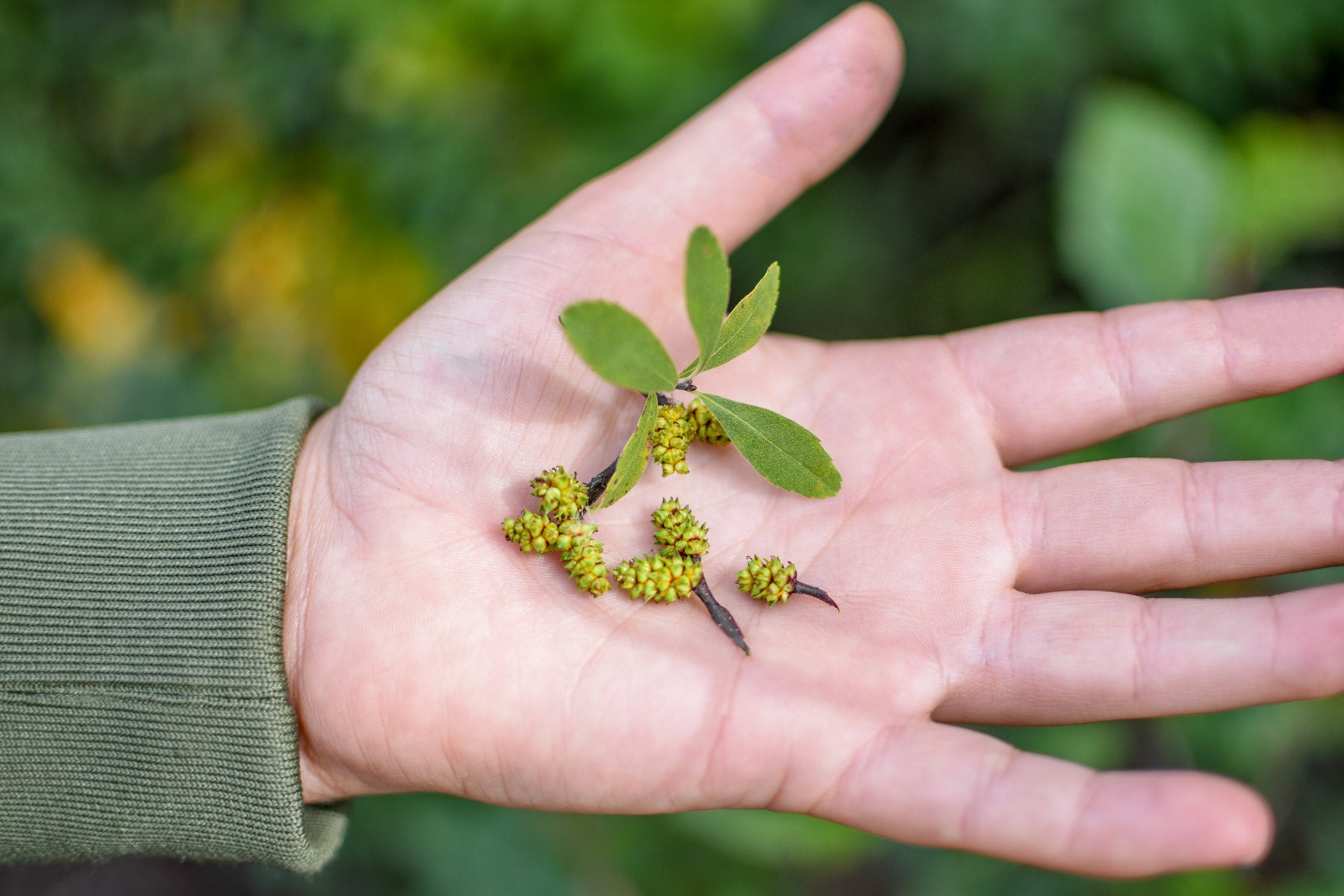
During your walks, how do you recognize sweet clover? It is distinguished by its stately habit, often rising above surrounding grasses with its upright, branched stems. Unlike small clovers that hug the ground, sweet clover is a slender plant that can form true loose bushes. Its leaves are composed of three small finely toothed leaflets (trifoliate), resembling those of alfalfa.
But it is during its flowering that sweet clover truly reveals itself. It produces long, slender clusters (racemes) of small papilionaceous flowers (butterfly-shaped, typical of legumes). These floral spikes, reaching towards the sky, wave in the summer wind, releasing their intoxicating fragrance.
It is crucial to differentiate between different plants. What is the difference between white clover and sweet clover? White clover (Trifolium repens) is a creeping, very short plant, with flowers grouped in round, compact heads. Sweet clover, on the other hand, is tall (over a meter), and its flowers are spaced along an elongated floral stalk. Furthermore, many wonder: can humans eat water clover? Water clover (Menyanthes trifoliata), often found in bogs, has been used historically but is extremely bitter and does not belong to the same family; it offers none of the vanilla flavors of sweet clover.

What are the colors of Sweet Clover?
The Melilotus officinalis (yellow sweet clover) is adorned, as its name suggests, with magnificent bright yellow flowers. This vibrant yellow immediately catches the eye in the green meadows of July. However, there is a very close cousin that is frequently encountered: white sweet clover (Melilotus albus).
Is white sweet clover edible? Absolutely! White sweet clover shares very similar properties and flavor to its yellow counterpart. Its flowers are pure white and its clusters are sometimes a little longer. Floèm's professional foragers and enthusiasts often harvest both species for their vanilla-like fragrance and medicinal properties, though some purists believe that yellow sweet clover has a slightly more complex and medicinal flavor.
What is the size of sweet clover and its natural habitat?
It's an impressive plant! Sweet clover can reach a height of 1 to 1.5 meters (sometimes up to 2 meters in optimal conditions), and spread up to 70 cm wide. This stature allows it to capture sunlight above competing grasses.
As for the question where does sweet clover grow? or sweet clover where does it grow?, its preferred habitats are neutral to slightly alkaline soils. It is found in open fields, fallow meadows, roadsides, wasteland, and railway embankments. Interestingly, is sweet clover a green manure? Yes! As a legume, it has nodules on its roots that host symbiotic bacteria capable of fixing nitrogen from the air. It thus naturally enriches poor or degraded soils, preparing the ground for other plants.
What are the characteristics of Sweet Clover? (leaf, flower, fruit)
Sweet clover's morphology is delicate yet robust. The trifoliate leaf is a tender green, emitting very little odor when fresh; it's only during drying that the magic happens. The flower, tiny and abundant, is a true nectar factory, making sweet clover one of the most important melliferous plants for beekeepers (sweet clover honey is exceptionally mild and sought after).
After summer pollination, the flower gives way to a small fruit: a short, ovoid, wrinkled (or reticulated) pod, usually containing one to two small, smooth seeds. And how to use sweet clover seeds? While less common than the flowers, dried and ground seeds can also be used as an aromatic condiment or sown to cultivate this exceptional green manure in your own garden.
How to harvest Sweet Clover
Where does sweet clover grow and where is it harvested?
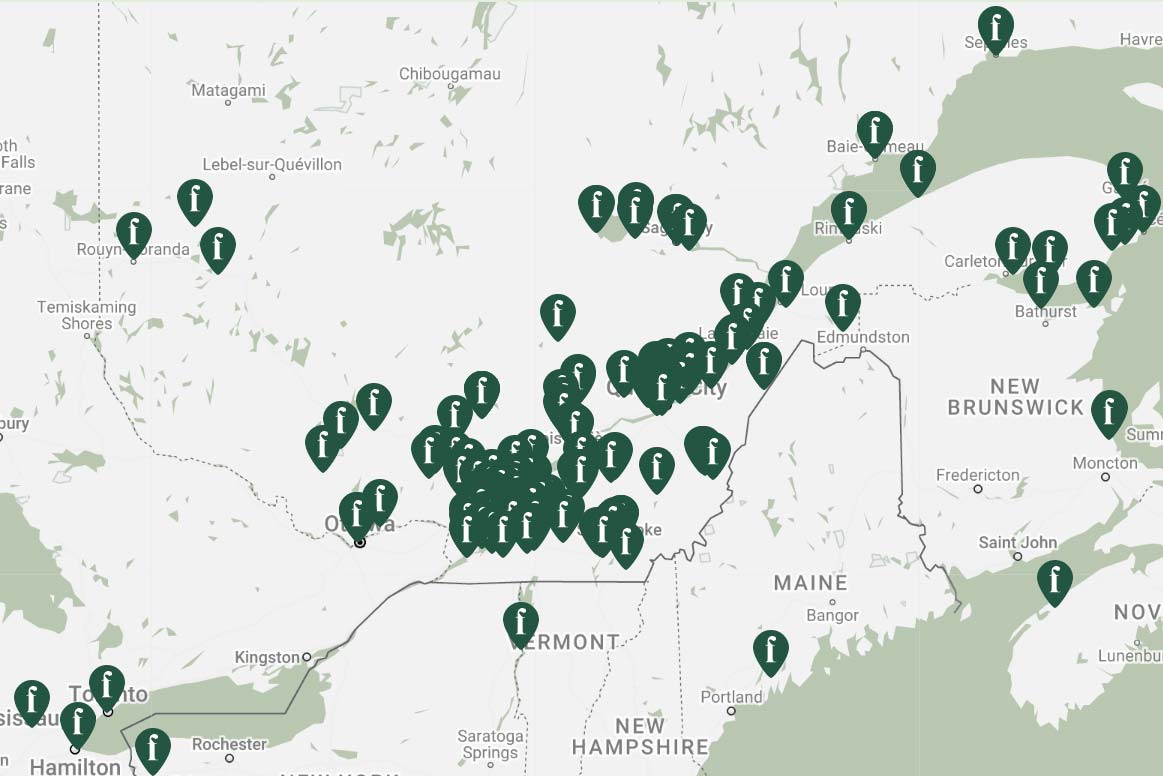
The abundance of this plant often sparks enthusiasm: where can one find sweet clover?, where is sweet clover found? and where can I find sweet clover? The good news is that it is very common in Quebec. You will find it along rural bike paths, in abandoned agricultural fields, on sandy riverbanks, and in almost all well-drained, sunny soils. It simply refuses to grow in dense shade or very acidic soils.

However, as with all wild harvesting, the location of the gathering is paramount. Since it often grows alongside roads, it is absolutely essential to avoid harvesting in areas exposed to exhaust fumes, agricultural pesticide spraying, or industrial pollutants. At Floèm, our foragers delve into pure, preserved territories to ensure sweet clover of absolute quality and safety.
Which part of the Sweet Clover to harvest and in what quantity?
Harvesting focuses on the flowering tops (the upper 15 to 20 centimeters of the plant, including flowers, flower buds, and young attached leaves). This is where the concentration of active compounds and aromas (coumarin) is at its peak. It is best not to pull up the entire plant; simply cutting the flower stalks allows the plant to potentially rebloom or continue its life cycle.
The quantity to harvest depends on your needs, but remember that the plant will lose a lot of volume when drying. Don't be too greedy in one spot: always leave a large proportion of flowers for bees, butterflies, and to allow the plant to produce its seeds for the following year.
What tools to use for harvesting Sweet Clover?
Harvesting sweet clover is gentle and does not require heavy equipment. Simple sharp secateurs or a clean pair of garden shears are perfectly sufficient. Make a clean cut of the stem without tearing the plant fibers.
It is advisable to harvest in dry weather, ideally in the late morning or early afternoon, once the dew has evaporated. Humidity is the number one enemy of sweet clover quality during harvesting, as a wet plant placed in a bag will tend to heat up and begin undesirable fermentation. A wicker basket or a lightweight fabric bag is ideal for transport to allow the plants to breathe.
What are the processing methods
Factors Influencing Sweet Clover Quality
The final quality of sweet clover, whether for medicinal or culinary use, relies entirely on one key process: the release of coumarin. When fresh, the plant is almost odorless and contains melilotoside. It is during wilting and drying that this molecule is enzymatically transformed into coumarin, releasing that wonderful scent of vanilla and cut hay.
Environmental factors also influence aromatic content. A very hot and sunny summer will produce plants with much higher concentrations of essential oils and active ingredients than a cold and rainy summer. The terroir, soil richness, and respect for the plant during handling are all elements that Floèm monitors to offer you an exceptional product.
Harvest season, processing…
Sweet clover flowers from July to September in Quebec. The harvesting window extends throughout this summer period, as long as the flower clusters are still vigorous and have not fully turned to seed. As soon as the plant is harvested, the processing countdown begins.
Stems should never be left piled up. Processing requires delicate handling. The flowering stems are spread out or hung within hours of harvesting. It is during this transitional period, as water evaporates from the plant cells, that the aromatic alchemy occurs and the surrounding air fills with an unforgettable sweet scent.
What can alter the quality of Sweet Clover?
Here we touch upon the most critical point in the use of sweet clover. Improper drying doesn't just spoil the taste: it can make the plant dangerous. If sweet clover leaves are dried in an environment that is too humid or poorly ventilated, they risk fermenting and molding.
Under the action of certain microscopic fungi during molding, natural coumarin transforms into dicoumarol. This substance is a powerful anticoagulant (historically used in rodent poisons and for the development of drugs like warfarin). This is why sweet clover that is poorly preserved, blackened, or smells musty instead of vanilla, must be discarded. The quality of drying is not just a matter of gastronomy; it is a matter of absolute safety.
How to dry Sweet Clover?
To avoid any risk of fermentation and guarantee a divine aroma, drying must be quick and carried out under optimal conditions. Hang the flowering tops in small, loose bouquets, upside down, or spread them in a single very thin layer on drying racks or mosquito nets.

The drying area must be dry, dark (away from direct sunlight which destroys active ingredients) and have excellent air circulation. An ambient temperature of 25 to 30 degrees Celsius is ideal. Sweet clover is perfectly dry when the stems snap cleanly under finger pressure and the leaves crumble easily. At Floèm, we master this crucial step with professional rigor to guarantee a 100% safe and highly aromatic product.
Sweet Clover Storage: Recommendations
How to store Sweet Clover?
Once thoroughly dried, the flowers and leaves should be separated from the thicker stems, although they can be kept whole if desired. Storage should be in airtight containers: tinted glass jars, metal boxes, or opaque airtight bags.
It is essential to store your harvest away from any heat source (not above the stove) and protected from light and humidity. If condensation appears in your jar in the first few days, the drying was incomplete: the plant must be immediately removed, otherwise toxic molds may appear.
How long can Sweet Clover be stored?
If properly dried and stored according to best practices, sweet clover retains its enchanting vanilla aromas and medicinal properties for a period of 12 to 18 months. Beyond this period, the plant is not dangerous, but it will gradually lose its olfactory strength and therapeutic effectiveness.
For a culinary and wellness experience that is always at its peak quality, it is recommended to replenish your stock each year, in rhythm with the summers and boreal flowering seasons.
Traditional and Historical Medicinal Uses of Sweet Clover
Sweet Clover in Ancestral Practices
How was Sweet Clover used in the past?
The ancient uses of sweet clover were remarkably diverse. In Europe, peasants were well aware of the power of its fragrance. Dried, leafy sweet clover stems were tucked into straw mattresses, pillows, and linen cupboards. Its strong, sweet scent did more than just act as a natural deodorizer; it served as an excellent repellent against moths and other insect pests, thus protecting precious wool clothing.
Medicinally, traditional herbalists prepared ointments from lard and flowering sweet clover to relieve rheumatism, joint pain, and boils. Distilled sweet clover water (hydrosol) was a highly reputed remedy for treating conjunctivitis and eye inflammation. It was a common plant in everyday apothecaries.
What were the culinary uses of Sweet Clover?
You might be wondering: are we allowed to eat clover? or how can sweet clover be eaten? Historically, the culinary uses of sweet clover were present but more marginal than today. The very tender young shoots, in spring (before coumarin developed strongly), were sometimes eaten cooked like asparagus or added to peasant salads.

In Asia, fresh leaves and young pods were also cooked as a side vegetable. However, the use of dried sweet clover as "vanilla" is a much more modern appropriation of the plant, popularized notably by new Quebec gastronomy which sought local and wild alternatives to spices from distant imports.
The Religious or Spiritual Use of Sweet Clover
In some European rural traditions, strongly scented herbs were often associated with purification rituals. Sweet clover, harvested around the summer solstice (St. John's Day), was sometimes part of the "St. John's herbs" woven into wreaths or thrown into bonfires to ward off evil spirits, bless harvests, and protect livestock. Its common name "royal crown" partly derives from its use in such festive and protective garlands.
The Cultural Importance of Sweet Clover
Sweet clover's major cultural impact today lies in beekeeping. Benefits of sweet clover honey? Honey produced from sweet clover nectar is renowned worldwide. It is light in color (sometimes almost white), has an extremely smooth consistency, and a delicately vanilla and floral taste. This honey crystallizes finely and offers exceptional soothing benefits for the throat. Sweet clover has thus shaped the economy and culture of many honey-producing regions in North America, uniting the work of bees and humans.
The Health Benefits of Sweet Clover (or other areas)
Properties and Effects of Sweet Clover on the Body
What are the properties of Sweet Clover?
To summarize what are the benefits of sweet clover?, we must look at its pharmacology. The flowering tops are primarily venotonic, antispasmodic, diuretic, and anti-edematous. These actions are made possible by the presence of flavonoids, saponins, and of course, coumarin (which, it should be remembered, in its undegraded state, helps to very slightly thin the blood and strengthen blood vessels).
What are the benefits of sweet clover seeds? Although the flowers are mostly used, the seeds share carminative (help expel intestinal gas) and aromatic properties, although they are much less documented in classical herbalism than the flowering tops.
Sweet Clover Benefits by Category
Sweet Clover for Blood Circulation
Sweet clover's preferred field of action is the circulatory system. Whether for internal use (infusion) or external use (compresses, ointments), it helps treat venous disorders. If you suffer from heavy legs, especially in summer, capillary fragility (easy bruising), hemorrhoids, or varicose veins, sweet clover is a valuable ally. It increases lymphatic and venous flow, thus reducing water retention and edema (swelling) associated with poor circulation. Taken long-term (under supervision), it helps reduce the risk of phlebitis.
Sweet Clover for the Nervous System
Sweet clover's calming effect doesn't just come from its reassuring scent; it also acts biochemically. It is a mild sedative and a natural antispasmodic. A good sweet clover infusion before bedtime helps soothe accumulated nervous tension, fights mild insomnia, and calms stress-related palpitations. It also relieves painful spasms, making it a popular natural remedy for painful periods (dysmenorrhea) and neuralgia.
Sweet Clover for Skin and Digestion
Finally, what are the benefits of sweet clover for the skin? Its emollient (softens tissues) and vulnerary (helps wound healing) properties are excellent. A bath enriched with a sweet clover decoction soothes inflamed skin and sunburn. For digestion, its carminative properties alleviate flatulence, bloating, and minor intestinal disorders, allowing for light and fragrant digestion.
How to Consume or Use the Ingredient Sweet Clover?
Different Forms of Sweet Clover Products
Sweet Clover in Infusion
This is the most classic form. You can consume sweet clover alone to fully enjoy its tonka bean aromas, or incorporate it into blends. At Floèm, we like to assemble these wild herbs to create complex infusions where sweet clover brings a sweet and vanilla roundness that balances the bitterness or woody power of other boreal forest plants.
Sweet Clover in Cooking
Sweet clover powder (obtained by finely grinding dried flowers and leaves) or whole flowers are used almost everywhere. It is a dry aromatic that can be infused into milk to prepare crepes, waffles, custards, rice pudding, or panna cottas. You can also make a sweet clover syrup (by boiling water, sugar, and sweet clover) to flavor original cocktails or drizzle over yogurts. It is the true signature of "Quebec vanilla."
Sweet Clover in Homemade Body Products
You can easily make an oily macerate: fill a jar with dried sweet clover, cover with a mild vegetable oil (like sweet almond or sunflower oil), let it macerate for 3 to 4 weeks away from light, then filter. This oil massaged onto the legs from bottom to top will immediately relieve the feeling of heavy legs while leaving a divine scent on your skin.
Sweet Clover Preparation Methods: Recipes and Instructions
Sweet Clover Recipe Ideas
A simple idea to impress your guests: Sweet Clover Sugar. Take 200g of white or cane sugar, add a generous tablespoon of dried and crushed sweet clover flowers, mix, and let it rest in an airtight jar for a week. The sugar will absorb the residual moisture and essential oils of sweet clover, offering an extraordinary alternative to vanilla sugar for all your baking recipes.
How to Infuse Sweet Clover in Tea?
For a perfect tea, use about 1 to 2 teaspoons of dried sweet clover per cup (250 ml). Pour simmering water (not boiling, so as not to burn the volatile aromas), cover your cup essential oils, and let steep for 5 to 10 minutes. The liquor should take on a beautiful golden color.
How Much Sweet Clover to Consume?
For precautionary reasons (related to coumarin), it is recommended to consume sweet clover tea in moderation. One to two cups per day for a few weeks are ideal to enjoy its sedative and circulatory benefits. Avoid consuming it in liters continuously throughout the year.

Many wonder: Is it healthy to eat clover? If it's true clover (white or red), it's nutritious but hard to digest raw in large quantities. If it's "yellow clover" (sweet clover), yes it's healthy, provided it's perfectly dry (without mold) and used reasonably as an aromatic and medicinal plant.
Sweet Clover Usage Tips and Precautions
When to Consume Sweet Clover?
The ideal time to enjoy a sweet clover tea is in the evening, after dinner or an hour before bedtime, to aid digestion and prepare the body and mind for a peaceful night thanks to its calming and antispasmodic action.
Sweet Clover Warnings
Let's address safety, as several questions often arise: what are the contraindications of sweet clover?, what are the risks associated with sweet clover?, or what are the possible side effects of sweet clover?
As mentioned earlier, sweet clover's main toxicity does not come from the fresh plant, but from a POORLY dried (moldy) plant. Moldy plants produce dicoumarol, a severe anticoagulant. What is the toxicity of sweet clover? Excess dicoumarol prevents blood clotting, potentially leading to internal bleeding.
What happens if a human eats clover? Eating properly dried or fresh sweet clover is safe in culinary quantities. But consuming fermented/moldy sweet clover is dangerous. What is the antidote for sweet clover poisoning? If such poisoning occurs (which is rare in humans but documented in livestock consuming spoiled hay), the emergency medical antidote is the administration of Vitamin K, which restores blood clotting.

So, toxic plant for humans?, what are 3 toxic plants?, or which plant not to put in the house? Properly prepared sweet clover is NOT a toxic plant. However, if moldy, it becomes toxic (just like poorly preserved herbs). Never keep a jar of sweet clover in your house that smells moldy instead of vanilla.
At-Risk Populations and Sweet Clover
Even with perfectly dried sweet clover, the plant naturally contains coumarin, which very slightly thins the blood. Therefore, it is strictly contraindicated for people taking anticoagulant medications (like warfarin) or with bleeding disorders to consume sweet clover infusions at therapeutic doses without medical advice. Furthermore, its use must be suspended at least two weeks before surgery. Always discuss with a healthcare professional before use.
Pregnant Women and Children and Sweet Clover
As a precaution, due to its potential action on the blood and liver systems (at very high doses), the therapeutic use (frequent infusions, supplements) of sweet clover is not recommended for pregnant or breastfeeding women, or young children. Culinary use (a touch of sweet clover in a dessert cream) generally remains harmless, but caution is advised.
Conclusion: Sweet Clover, a Precious Ally
Summary of Sweet Clover Benefits and Uses
Everything You Need to Know About Sweet Clover
Sweet clover, with its well-deserved title of Quebec vanilla, is a true wonder of the boreal nature. This tall herb with yellow flowers is unparalleled in capturing the summer sun and restoring it in the form of honeyed, vanilla, and herbaceous aromas. Whether used to boldly enhance a dessert, to find restful sleep in a steaming cup, or to relieve heavy legs after a long day, sweet clover is an exceptionally versatile and benevolent natural ally, provided it is treated with the respect required for its harvesting and drying.
Quality and Environmental Respect for Sweet Clover
How to Choose Quality Sweet Clover?
Superior quality sweet clover is recognizable at first glance and first sniff. The flowers should have retained a beautiful hue (yellow or pale green) and should show no signs of damp browning or mold. Above all, the scent must be clear, sweet, instantly reminiscent of vanilla, fresh hay, and tonka bean. Avoid any odorless or stale-smelling product.
Why Favor Environmentally Friendly Sweet Clover and Where to Get It?
Choosing responsibly harvested sweet clover ensures that the plant has been picked far from pollutants, respecting nature's cycles and leaving enough flowers to feed our precious bees. Wild and artisanal harvesting guarantees immediate and meticulous drying, an absolute guarantee of safety and flavor.
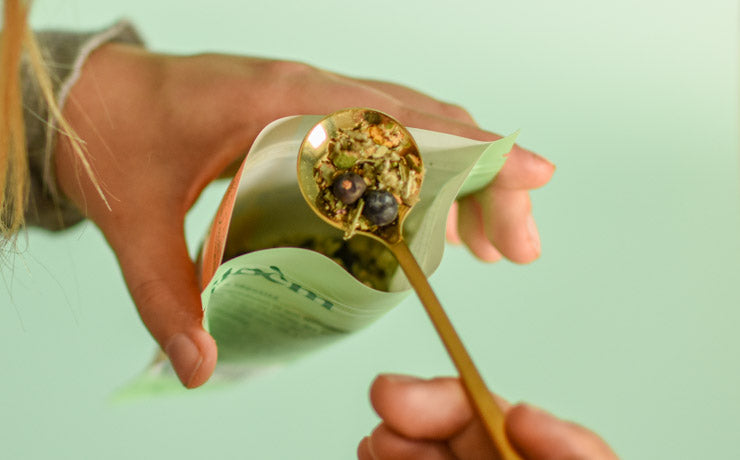
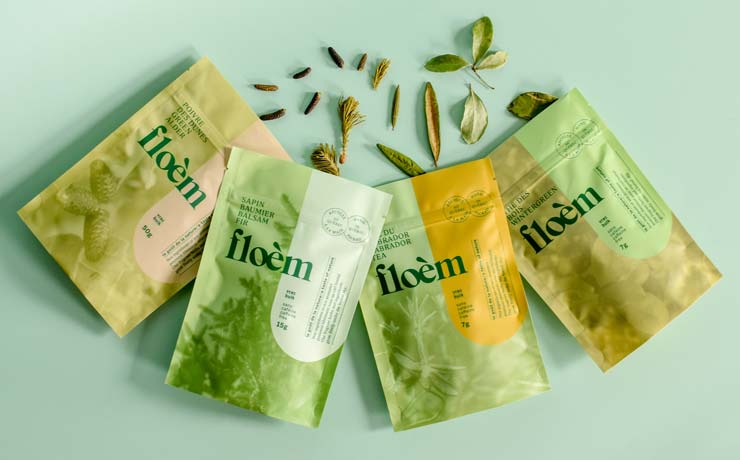
To discover the authentic vanilla of Quebec in its purest and safest form, we invite you to explore our products. Immerse yourself in the aromatic world of the boreal forest and get our high-quality infusions directly from Floèm. Let yourself be seduced by the taste of the land, hand-harvested, just for you.






Leave a comment
This site is protected by hCaptcha and the hCaptcha Privacy Policy and Terms of Service apply.