






Painful Periods, PMS, Menopause: Soothe Your Cycle With Plants
Women's bodies naturally go through numerous fluctuations over the months and years. Whether dealing with drops in energy, fatigue, or intimate comfort, these variations directly impact daily well-being. Fortunately, nature possesses highly effective solutions to support the female cycle and restore overall balance without disrupting the body. To accompany you day after day, we have listed these must-have plants so that they can easily be integrated into daily life.
How to Regulate Irregular Cycles and Balance Hormones Naturally?
The female body is intimately linked to a hormonal balance that influences not only the rhythm of life, but also mood, sleep, or stress levels. To support the endocrine system in a global manner, the ideal approach is to turn to plants with emmenagogue or balancing properties. These gentle allies support hormonal production and help the body adapt to biological changes without rushing the organism.
Mugwort (Artemisia Vulgaris)
Mugwort is a precious ally that restores a regular pace to certain cycles. This plant acts directly on hormonal imbalances by naturally stimulating menstrual flow, which makes it possible to restore a stable rhythm when it has been lost. It also possesses hemostatic properties that are highly useful for limiting bleeding, offering excellent support in cases of excessively heavy menstruation.
Due to its stimulating properties on the uterus, this plant must absolutely be avoided during pregnancy because of a risk of miscarriage.
Yarrow (Achillea Millefolium)
Yarrow possesses numerous virtues that have an effect on several aspects of the female cycle. Regarding the regulation of cycles, the traditional herbalist use of yarrow is validated by Health Canada. This use has the effect of regulating amenorrhea, namely the absence of periods or irregular cycles; the guidelines align with phytotherapy practices.
To fully benefit from the properties of this plant, consistency is essential. It is advisable to drink a yarrow infusion every day, at a rate of two cups.
Start taking it right after the end of your period and continue it for 21 consecutive days. Then, observe a complete break for 7 days.
Why take this break? This "therapeutic window" imitates the natural 28-day female cycle. Moreover, it avoids overloading your organism. This is also why continuous consumption of yarrow is not recommended.

Premenstrual Syndrome (PMS): Which Plants Soothe the Body and Mind?
Chamomile (Matricaria Chamomilla)
At the heart of our Rose & Chamomile infusion, it is ideal for releasing the tensions accumulated before periods. Its compounds (apigenin and chamazulene) possess powerful antispasmodic properties to reduce uterine cramps preceding the arrival of periods. Above all, research highlights its major role on the mental level since it helps modulate the action of dopamine and serotonin, which promotes the reduction of anxiety, premenstrual depression, and mood swings.
Sage (Salvia Officinalis)
Present in our Myrique & Echinacea blend, the effects of sage on PMS have been demonstrated by a randomized clinical trial. The conclusion is that a daily intake of sage extract over two consecutive cycles drastically decreases (by more than 20%) the severity of the physical and psychological symptoms of PMS. Sage is also studied for its ability to reduce the prolactin level in the blood. Prolactin that is too high at the end of the cycle is indeed often the direct cause of breast pain and swelling. Sage can therefore also reduce breast tension and overall discomfort.
Anti-inflammatory Plants
Wintergreen (Gaultheria Procumbens)
Nature offers other exceptional alternatives with anti-inflammatory benefits. Wintergreen proves to be ideal for reducing stress and promoting relaxation. It naturally contains methyl salicylate, an anti-inflammatory substance close to aspirin that provides a tonic and stimulating effect that is highly appreciated for the body's balance.
Raspberry Leaves (Rubus Strigosus)
Raspberry leaves possess numerous properties. Pharmacological research on raspberry leaves proves the clinical effects on inflammation caused by menstruation. The plant offers multiple properties useful to the female cycle, notably anti-inflammatory effects. By calming internal inflammations, the raspberry plant very effectively relieves sensations of heaviness and congestion in the lower abdomen.
To maximize its anti-inflammatory properties, it suffices to consume the leaves as an infusion during periods. Let the leaves infuse in a cup of hot water for 5 minutes to release a maximum of antioxidants and to calm inflammations.
Chamomile (Matricaria Chamomilla)
Chamomile is ideal for releasing accumulated tensions. We advise you, moreover, to savor hot herbal teas made with chamomile for the duration of your period. Thanks to its anti-inflammatory virtues, this gentle plant offers targeted relief, perfect for soothing pain and relaxing the lower abdomen.

With Which Plants to Soothe Spasms and Menstrual Pain?
These physical tensions can also take the form of involuntary spasms. To target these specific contractions, antispasmodic plants are capable of acting directly by relaxing the muscle fibers.
Yarrow (Achillea Millefolium)
Yarrow acts as a true natural shield. It possesses powerful antispasmodic virtues. This plant notably contains azulene. This precious component effectively relieves internal inflammations. Yarrow particularly relaxes the muscles of the pelvic area. It is therefore formidable for calming menstrual cramps and physical contractions.
In addition to its traditional use, a benchmark clinical study confirms these benefits. Its results are, moreover, archived by the American government. The trial focused on female students suffering from very painful periods. The conclusion of this trial reveals that a yarrow infusion significantly reduces the intensity of pain in female students suffering from primary dysmenorrhea (painful periods).
You can easily reproduce this method at home. Drink a yarrow infusion from the first day and only during the first 3 days of periods because that is the moment when the production of prostaglandin hormones causes the strong contractions of the uterus. Consume the infusions on a regular basis, 2 to 3 times a day.
According to the results, this protocol of only 3 days per month was enough to highly significantly reduce the intensity of the pain from the first month, with even greater effectiveness in the second month.
Raspberry Leaves (Rubus Strigosus)
A recent analysis scientifically validates the status of raspberry as a "uterine tonic". Very versatile, this plant has the capacity to offer a double action that is perfectly balanced for feminine comfort. On the one hand, it is rich in flavonoids, plant compounds that act as a natural relaxant to relax the uterus and gently relieve minor spasms or cramps.
On the other hand, it possesses a very high concentration of tannins. The latter play a supporting role by delicately coming to tighten and strengthen the entire pelvic musculature. It is this synergy capable of both soothing tensions and tonifying the tissues that makes the raspberry leaf a must-have ally to support the uterine sphere.

Which Plants Help to Decrease Heavy Bleeding?
Yarrow (Achillea Millefolium)
Yarrow contains natural components that act as powerful flow regulators. Dedicated research proves that its consumption drastically decreases the volume of blood loss and the duration of periods in women suffering from menorrhagia. The plant proves to be a safe hemostatic agent, capable of slowing hemorrhages without causing secondary hormonal disruptions.
Raspberry Leaves (Rubus Strigosus)
For particularly heavy periods, raspberry leaves act as a true natural ally thanks to their richness in fragrine and tannins. The fragrine will restore tone to the muscle of the uterus to help it contract more effectively, while the tannins, thanks to their strong "astringent" power, come to mechanically tighten the small blood vessels that line the endometrium. It is this double action that makes it possible to gently slow down excessive bleeding.
To moderate heavy bleeding, let the leaves infuse for 15 minutes in hot water to extract the very astringent tannins, which are perfect for slowing a menstrual flow that is too heavy.
How to Soothe Certain Menopause Disorders?
During the transition towards menopause, the body undergoes a gradual decrease in estrogens, causing well-known discomforts (hot flashes, fatigue, mood swings). Certain plants act as shields to help the organism adapt and stabilize the metabolism.
Sage (Salvia Officinalis)
Sage is a major plant for feminine vitality that acts deeply on the discomforts linked to hormonal variations. It proves to be particularly beneficial for managing menopause symptoms, such as hot flashes and night sweats, because of its powerful antihydrotic effect. In addition to regulating excessive sweating, sage helps to relieve peripheral muscle spasms. Due to its active strength, its intake is however not recommended for pregnant women as well as people with epilepsy.
Red Clover (Trifolium Pratense)
Red clover plays a major role as a protector and regenerator of the female cycle. Thanks to the great richness of its flowers in flavonoids, it possesses precious natural estrogenic effects that prove to be particularly advantageous for relieving menopause disorders and harmoniously accompanying the body during this life transition. In addition to acting on the underlying balance, its floral heads constitute an excellent tonic to purify the blood.

Fighting Hormonal Variations and Supporting the Evolution of the Cycle
To serenely get through hormonal variations over the course of the cycles, antioxidant and purifying plants are precious allies. They help the organism to eliminate accumulated toxins and bring gentle plant components.
Raspberry Leaves (Rubus Strigosus)
Raspberry leaves prove to be another indispensable pillar for supporting the evolutions of the female cycle. Naturally rich in iron, these leaves effectively compensate for the mineral losses linked to menstruation, thus fighting against fatigue and the drop in energy. Furthermore, their unique capacity to stimulate and relax the uterus makes them extremely useful for accompanying women during childbirth, so do not hesitate to talk about it with your doctor during the periodic follow-up of the third trimester.
Let Nature Support Your Cycle
Nature puts at our disposal everything the body needs to flourish and regain its natural balance. Learning to listen to your organism and accompanying it with adapted quality ingredients constitutes a simple and precious action to support daily well-being.
If you are pregnant or breastfeeding, discover which plants can be beneficial to you by consulting our dedicated article on herbal teas to consume during pregnancy.
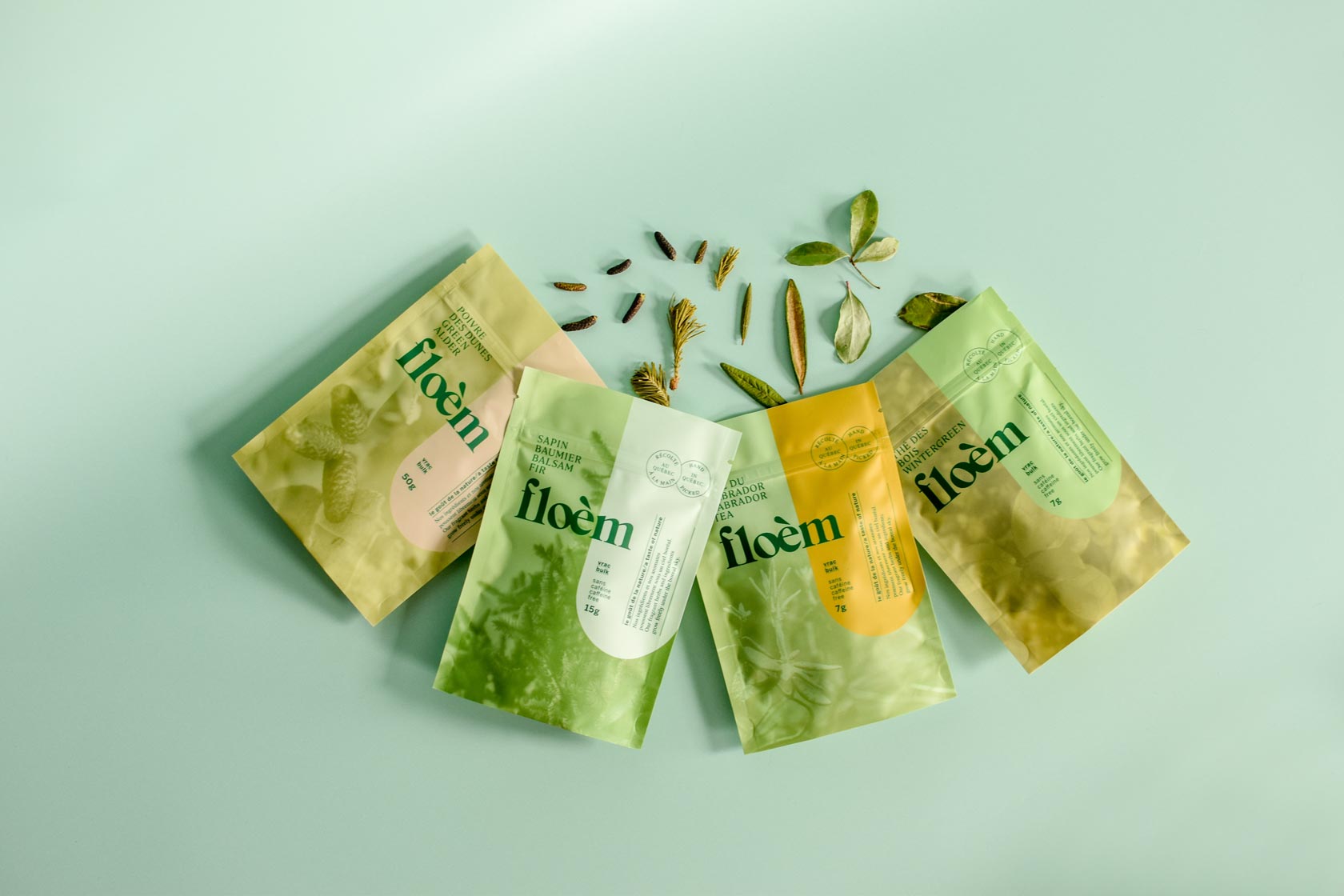
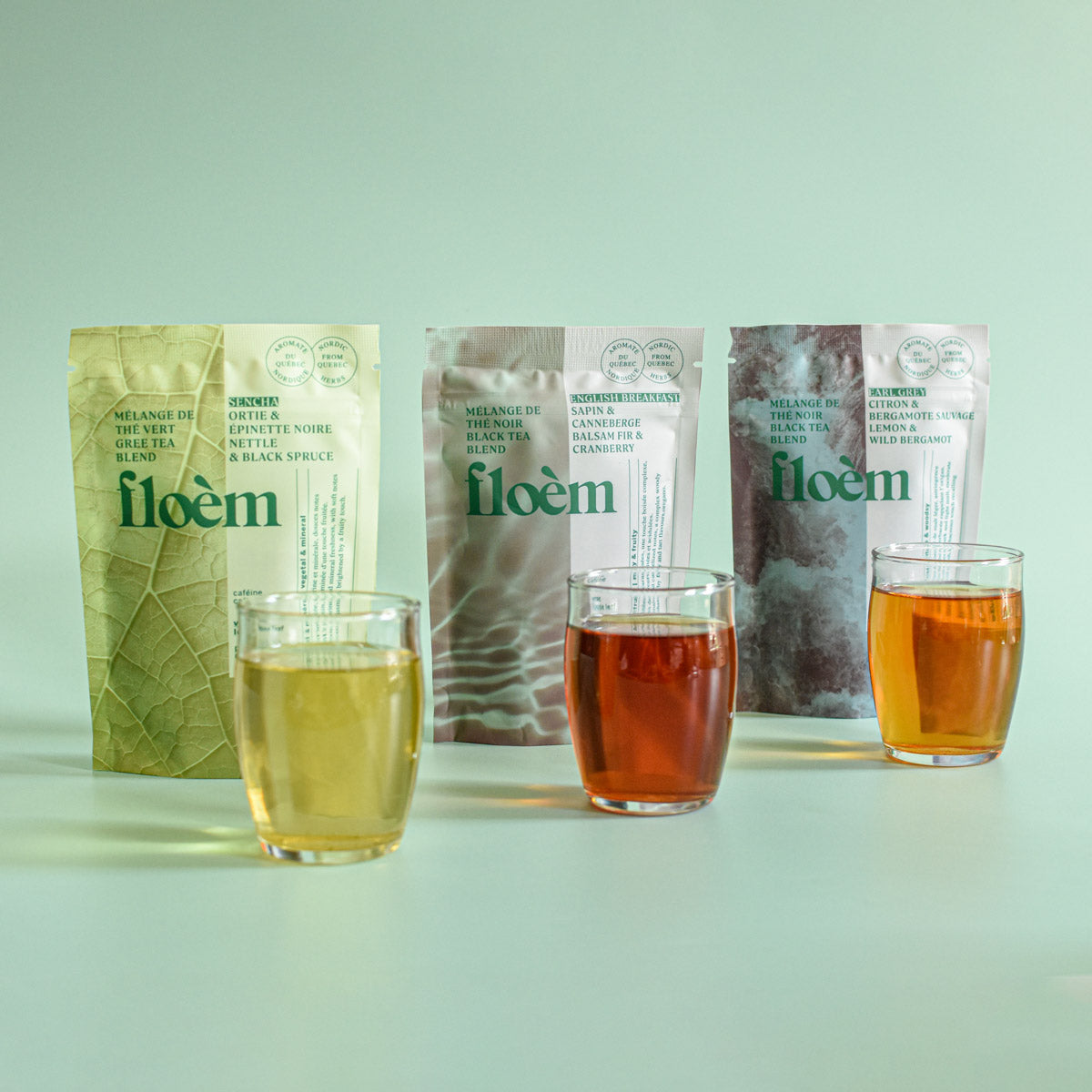
To create your own routine and take care of yourself at your own pace, we invite you to discover our selection of plants and herbal teas directly on our online store.





Leave a comment
This site is protected by hCaptcha and the hCaptcha Privacy Policy and Terms of Service apply.