



Red clover: its benefits, uses, and natural habitat
Introduction to the World of Red Clover
Red Clover: Overview
What is red clover?

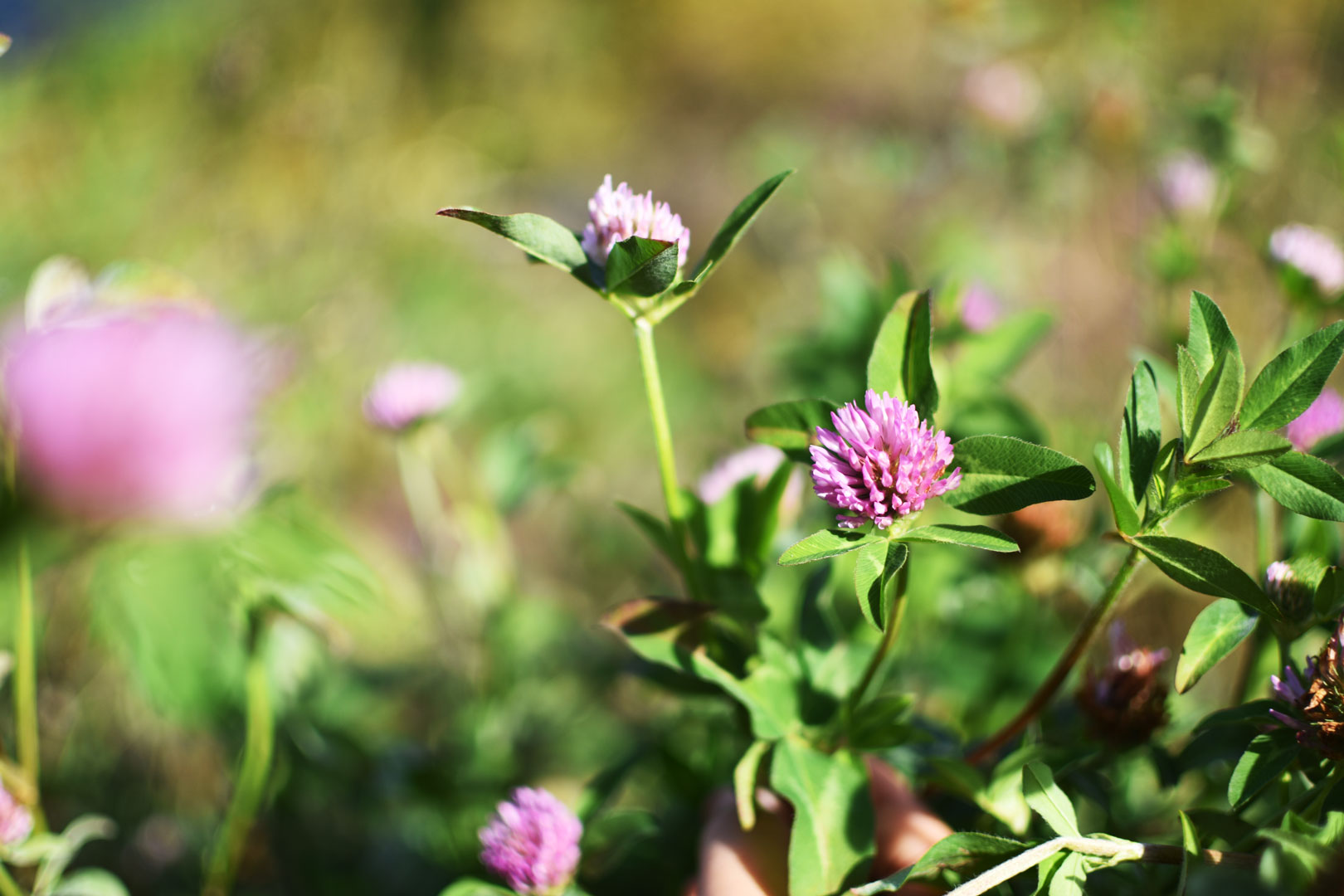
Red clover, much more than a simple field herb we tread upon during our summer strolls, is an exceptionally rich perennial herbaceous plant. Belonging to the large Fabaceae family (legumes), this plant is distinguished by its globular flower heads that dot meadows with vibrant touches ranging from pale pink to deep magenta. In Quebec, as in many temperate regions, it grows in abundance, transforming open spaces into veritable oceans of melliferous flowers as soon as warm weather arrives. At Floèm, we consider this plant not as a weed, but as a raw treasure of our land, a precious raw material that deserves to be rediscovered and valued.
Ecologically, red clover plays a fundamental role in the health of our ecosystems. Thanks to a fascinating symbiotic relationship with bacteria present in its roots, it has the unique ability to capture nitrogen from the air to naturally enrich the soil. This makes it a choice ally for land regeneration and biodiversity maintenance. Furthermore, it is an invaluable source of nectar for pollinators, especially bees and butterflies. A frequently asked question by botany enthusiasts is whether red clover is easy to identify. The answer is yes: its trifoliate leaves adorned with a characteristic small white chevron make it almost impossible to confuse with other species.
What does red clover taste like?
When you venture to taste red clover, you discover an aromatic profile of great delicacy, very far from the bitterness one might associate with certain wild plants. Its flowers release a sweet, slightly sugary flavor, reminiscent of raw honey and summer nectar. This floral taste is supported by very subtle and refreshing herbaceous notes, evoking the smell of a freshly cut meadow or sweet hay dried in the sun. It is this intrinsic sweetness that makes it a choice ingredient for infusions, as it never attacks the palate, but rather envelops it in comforting warmth.
In the art of blending, which is at the heart of our approach at Floèm, the taste of red clover pairs perfectly with the bolder aromatics of the boreal flora. For example, when combined with Labrador tea leaves, red clover rounds out the resinous and woody notes of the latter, creating a harmonious balance in the mouth. The young leaves of clover, though less sweet than the flower, offer a slight vegetal touch, similar to that of young pea shoots. It is a plant that invites slow and conscious tasting, ideal for those seeking a comforting and delicately fragrant drink.
What are the origins and historical overview of red clover?
The history of red clover is that of a traveling plant that has adapted to many territories. Originally from Europe, Western Asia, and Northwest Africa, it crossed oceans with the first European settlers who introduced it to North America. The initial objective was primarily agricultural: it was used as protein-rich forage for livestock and as a cover crop to enrich depleted soils. However, the plant quickly escaped cultivation to naturalize spectacularly in North American wild environments, finding an ideal environment to thrive in Quebec's temperate and boreal climate.
Beyond its agricultural use, red clover has a rich heritage in the history of herbal medicine. Long before modern science delved into its active compounds, European herbalists and, later, the First Nations of North America, integrated it into their traditional pharmacopoeia. It was commonly used in the form of syrups, ointments, and decoctions to purify the blood and relieve various respiratory and skin ailments. This historical overview reminds us that the plants surrounding us today carry centuries of ancestral knowledge, a heritage that Floèm's harvesters strive to honor with each manual harvest.
The Main Interest of Red Clover: Edible, Medicinal, Wellness, etc.
Red clover in herbal tea
Infusion is undoubtedly one of the oldest and most effective methods to benefit from red clover. By steeping dried flowers in hot water, its many water-soluble compounds, especially its precious isoflavones, vitamins, and minerals, are released. Red clover in herbal tea offers a beautiful amber-colored liquor, sometimes tinged with pinkish reflections if the flowers are very fresh. It is a deeply soothing drink, often consumed to support the nervous system after a long day or to accompany periods of hormonal transition in women.
At Floèm, we particularly enjoy incorporating red clover into our herbal tea blends. Many wonder if it can be consumed daily. The answer is generally yes, in the form of a light infusion, red clover acts as a gentle and nutritious tonic. By combining it with boreal ingredients, we create synergies where the softening properties of clover complement the antioxidant virtues of other plants from our territory. Taking the time to savor a red clover herbal tea is to offer oneself a moment of direct connection with the generous nature that surrounds us.
Red clover in cooking
The culinary use of red clover is often unknown to the general public, yet it offers magnificent possibilities for chefs and wild food enthusiasts. The flower heads, harvested when fully open and vibrant in color, are entirely edible. They can be plucked to sprinkle over a spring salad, adding a touch of bright color and a slight sweet flavor that pleasantly surprises guests. Whole flowers can also be used to make floral jellies, artisanal syrups, or even crystallized in sugar to decorate fine pastries.
Besides the flowers, the young leaves of red clover are also edible, although it is recommended to harvest them before flowering to prevent them from becoming too fibrous or bitter. They are an excellent source of vegetable protein, calcium, magnesium, and B vitamins. A common question concerns the preparation of the leaves: should they be cooked? It is often preferable to blanch them quickly or add them to soups and stir-fries, much like one would with wild spinach. This versatility makes red clover a choice ingredient for a cuisine rooted in the terroir.
Red clover for health
In the field of natural health, red clover is particularly renowned for its richness in isoflavones, plant compounds that act as phytoestrogens in the human body. This characteristic makes it a preferred plant for supporting women, especially during menopause, where it traditionally helps alleviate the discomfort of hot flashes and mood swings. Its gentle but targeted action on the endocrine system has been the subject of numerous scientific studies that largely confirm what herbalists already knew empirically.
But the virtues of red clover do not stop at the hormonal sphere. It is also classified as an alterative plant, meaning it helps the body eliminate toxins by gently stimulating the liver, kidneys, and lymphatic system. This purifying action is often reflected in skin health, making red clover a traditional remedy for relieving stubborn skin conditions such as eczema and psoriasis. Additionally, its antispasmodic and expectorant properties make it a powerful ally against severe coughs and chronic bronchitis, soothing irritated airways.
Red clover for well-being
Holistic well-being often incorporates elements from nature to soothe the body and mind, and red clover naturally finds its place there. Although it is not traditionally distilled into essential oil due to its low aromatic yield, it is extremely popular in the form of an oil macerate. By slowly infusing dried flowers in a quality vegetable oil, a rich and nourishing massage oil is obtained, ideal for soothing sensitive skin, deeply moisturizing, and promoting muscle relaxation after exertion.
The integration of red clover into personal care rituals, such as herbal baths, is a growing wellness practice. Adding a handful of red clover flowers and sea salts to bathwater creates an experience worthy of a boreal spa at home. The softening compounds of the plant diffuse into the warm water, offering an emollient action for the skin while inviting the mind to let go. It is this gentle and benevolent approach to well-being that we wish to convey by highlighting the treasures of our flora.
All About Red Clover Ingredient
Red Clover: Botanical Name, Synonyms

The Scientific Name and Etymology of Red Clover
The official scientific name for red clover is Trifolium pratense. To understand the full poetry of this nomenclature, one must turn to its Latin roots. The genus Trifolium is broken down into "tres," meaning three, and "folium," referring to the leaf. This term perfectly describes the characteristic morphological structure of the plant, where each leaf is composed of three distinct leaflets. The species name, pratense, literally translates to "of the meadows" or "growing in meadows." This scientific name thus paints an accurate picture of a three-leaved plant thriving in grassy areas.
The etymology of Trifolium pratense reminds us how much ancient botany was based on direct observation of nature and plant habitats. Classified in the order Fabales and the family Fabaceae, red clover shares a botanical kinship with other well-known legumes such as peas, beans, and lupins. This classification is essential for herbalists and professional foragers, as it indicates certain common characteristics of the family, including the ability to fix nitrogen or the papilionaceous (butterfly-shaped) form of the tiny individual flowers that make up the flower head.
Where does the name red clover come from and other common names for red clover?
The vernacular name "red clover" can sometimes be confusing, as those who observe the plant carefully will notice that its flowers are rarely truly red, leaning more towards vibrant pink, purple, or magenta. The appellation "red" was probably adopted historically to mark a clear contrast with white clover (Trifolium repens), another extremely common species in the same habitats. In popular culture, this name has remained entrenched, becoming the linguistic standard for referring to this prominent medicinal herb.
Throughout the French-speaking and English-speaking world, the plant has a multitude of common names that reflect its uses or appearance. It is often called "meadow clover," echoing the exact translation of its Latin name, or even "fox's tail" in some regions due to the slightly fuzzy shape of its flower heads. In English, it is known as Red Clover or Meadow Clover. Botany enthusiasts sometimes wonder if "purple clover" is a different species: it is actually a common synonym referring to exactly the same plant, Trifolium pratense, this time highlighting the actual shade of its bloom.
Where does red clover come from? (Indigenous origin of red clover)
The indigenous origin of red clover is located in the vast Eurasian basin and North Africa. For millennia, it grew wild in European meadows, adapting to a wide variety of soils, from fertile plains to mountain foothills. It is not an indigenous plant of the Americas. Its arrival on the North American continent dates back to the period of European colonization, where it was intentionally imported in the holds of ships to provide a reliable food source for imported livestock and to improve newly cleared agricultural soils.
However, its adaptation to North American territory, and more specifically to temperate and boreal regions like Quebec, has been so swift and successful that it is now considered a naturalized plant forming an integral part of the landscape. It now grows completely autonomously in the wild. This naturalization is a boon for Floèm's foragers, as it allows us to harvest a raw material of exceptional vitality, drawing its strength from a harsh but incredibly pure and nourishing northern terroir.

Detailed description of red clover and natural habitat
What does red clover look like? (visual and shape)
Red clover is a perennial herbaceous plant with an upright or ascending stem, often slightly hairy. Visually, it is immediately recognizable by its spectacular inflorescences: globular or ovoid flower heads located at the end of the stems. Unlike a single flower, what we perceive as "the flower" of clover is actually a dense cluster composed of dozens, or even a hundred, tiny tubular flowers packed close together. This pompom shape gives it a fuzzy and very welcoming appearance for pollinating insects that come to gather nectar.
Moving down the stem, one discovers its very distinctive foliage. The leaves are alternate and trifoliate, meaning they are divided into three small oval or elliptical leaflets. The most striking visual feature, and one that often serves as an infallible identification criterion for foragers, is the presence of a pale green, whitish, or yellowish-green "V" (or chevron) shaped mark in the center of each leaflet. This natural geometry gives the plant a unique aesthetic, greatly facilitating its recognition during wild foraging expeditions.
What are the colors of red clover?
Although its name suggests a single color, the chromatic palette of red clover is actually very nuanced and varies depending on its environment, sunlight, and stage of flowering. At its peak, the floral capitulum displays vibrant shades of fuchsia pink, brilliant magenta, and deep purple. The base of the small tubular flowers is often lighter, leaning towards pale pink or white, giving the overall capitulum a magnificent gradient effect when observed closely in daylight.
The foliage, for its part, exhibits a bright, matte green, sometimes slightly glaucous, which contrasts elegantly with the lighter chevron mark. Interestingly, we are often asked why some red clover plants have almost white or very faded flowers. This can be due to the plant's genetics, but also to soil quality or the end of a flowering cycle, as the flower loses its luster just before wilting and browning. Intense flowering colors are generally a sign of a healthy plant, brimming with the active ingredients we seek during harvest.
What is the size of red clover and its natural habitat?
Red clover is a medium-sized plant, typically ranging from 15 to 40 centimeters in height, although some specimens growing in particularly favorable conditions (very rich, unmowed soils) can reach up to 60 or even 80 centimeters. It grows in dense clumps, developing a deep root system with a robust taproot that allows it to draw water and nutrients deep into the soil, making it quite resistant to temporary dry spells.
Its preferred natural environment is characterized by abundant light. It thrives in meadows, abandoned fields, along country roads, in clearings, and at the edge of boreal forests. Red clover prefers well-drained, loamy or clayey soils, and slightly acidic to neutral pH. In Quebec, it takes advantage of the spring snowmelt to establish itself quickly, colonizing grassy areas before taller grasses cast too much shade. It is in these vast wild spaces, far from urban pollution, that its medicinal and aromatic quality reaches its peak.

What are the characteristics of red clover? (leaf, flower, fruit)
Red clover, or Trifolium pratense, possesses a fascinating set of botanical characteristics that make it unique. The leaf is undoubtedly the best-known vegetative element. Divided into three oval leaflets, it proudly displays that famous small whitish or light green "V" in its center. These leaves are not only edible but also contain many vitamins. Interestingly, the leaves fold in on themselves at nightfall or during heavy rains, a phenomenon called nyctinasty, which allows the plant to protect its delicate surfaces and retain its warmth.
The flower, for its part, is not a single flower, but a dense capitulum grouping dozens of tiny tubular flowers. These tubes are true nectar reservoirs, irresistibly attracting bumblebees and long-tongued bees. Once flowering is complete and pollination has occurred, the capitulum withers to give way to the fruit: small pods (or legumes) containing tiny yellowish or purplish seeds. A frequently asked question is how long does a clover live? Red clover is a short-lived perennial plant. On average, an individual plant will live for two to three years, but because it reseeds itself very easily and abundantly, the colony as a whole can persist indefinitely in a well-maintained meadow.
When identifying it, many curious people wonder which weed resembles clover? Wood sorrel (often called "false clover") is the main lookalike. However, wood sorrel has perfectly heart-shaped leaves (unlike the oval shape of red clover) and produces small yellow or pink five-petalled flowers with a very sour taste, far from the pompom shape of red clover. Black medick (Medicago lupulina) can also cause confusion in its young stages, but it is quickly distinguished by its small yellow flowers clustered in loose bunches.
How to harvest red clover
Where does red clover grow and where is it harvested?
Red clover thrives in a multitude of open, sunny environments. It is found in abundance in pastures, fallow lands, country roadsides, and of course, in our gardens. Many landowners wonder why there is clover in the lawn? Far from being an undesirable invader, its presence is often a sign of soil seeking to balance itself. Because it fixes atmospheric nitrogen through its root nodules, clover acts as a natural fertilizer, nourishing surrounding grasses and offering exceptional drought resistance.
Rather than asking how to eliminate red clover with a plethora of toxic chemicals, savvy gardeners today choose to let it thrive, or even harvest it. For foraging intended for herbalism or consumption, it is crucial to stay away from polluted areas. Avoid highway edges, fields subjected to pesticides, or urban parks heavily frequented by pets. Floèm's foragers explore wild and preserved areas of the boreal forest and Quebec countryside, thus ensuring that each harvested flower is imbued with the purity of the terroir, without any trace of contaminants.
Which part of the red clover to harvest and in what quantity?
The harvest focuses mainly on the flowering tops, i.e., the floral capitulum accompanied by the very first small leaves that support it (the bracts). It is in this part of the plant that volatile oils, isoflavones, and sweet nectar, which give red clover its exceptional organoleptic and medicinal properties, are concentrated. It is recommended to harvest the flowers when they are at their peak, fully open, vibrant in color, and free of any browning, which would indicate they are already beginning to wilt.
Regarding quantity, the ethics of wild harvesting must always take precedence. At Floèm, we apply the golden rule of foraging: never take more than a third of the available flowers in a given plot. Red clover is a vital resource for pollinating insects. Respectful harvesting not only ensures the survival of the clover colony by allowing it to go to seed, but also preserves the entire ecosystem that depends on it. Gather only what you need for your personal consumption for the year, as dried herbs lose their vitality after a few seasons.

What tools to use to harvest red clover?
Harvesting red clover is a wonderfully accessible activity, as it does not require any heavy equipment. The gentlest and most traditional method is simply to use your fingers. By pinching the stem firmly just below the floral capitulum, the flower easily detaches with a small, dry snap. This manual technique allows for extreme selectivity, taking only the healthiest specimens and avoiding inadvertently uprooting the plant.
For those who wish to harvest larger quantities (while respecting ecological limits), using a small pair of precision scissors or a perfectly sharpened and disinfected herbalist's pruning shears is ideal. The flowers should then be gently placed in a wicker basket or a breathable fabric bag (cotton or linen). Plastic bags should be absolutely avoided, because under the effect of summer heat and the plant's natural humidity, the clover flowers risk "sweating", rapidly oxidizing, and developing mold even before you return home.
What are the processing methods
Factors Influencing Red Clover Quality
The aromatic power and richness in active ingredients of red clover are intimately linked to the conditions under which it has grown and been processed. Soil quality (ideally well-supplied with minerals and having a neutral to slightly acidic pH) plays a fundamental role. Plants subjected to slight environmental stress, such as those growing in harsher conditions typical of our northern latitudes, tend to develop a higher concentration of secondary metabolites, including the famous protective flavonoids.
Another crucial factor is the precise time of day when the harvest is carried out. Master herbalists agree that the optimal time is late morning, on a sunny day. At this moment, the morning dew has completely evaporated – minimizing the risk of rot – but the sun is not yet hot enough to evaporate the precious essential oils contained in the petals. The speed with which the plant is then dried also determines the preservation of its vibrant color and sweet aromas.

The harvest season, processing…
The harvesting calendar generally extends from early summer, around June in Quebec, until September, depending on the regions and the mowing cycles of the meadows. It is during this summer window that the plant offers its most beautiful blooms. Processing begins within minutes of picking. It is imperative to spread out the harvest quickly and not let it pile up, as the fermentation process can start very rapidly in a mass of fresh flowers laden with nectar.
At Floèm, processing is a meticulous art. We first carry out a rigorous manual sorting to remove undesirable herbs, stray insects, or damaged flowers. This cleaning process respects the delicacy of the flower. Then, although red clover can be used fresh to make immediate macerates or to garnish a dish, the majority of the harvest is destined for drying. It is this processing step that allows the ingredient to be stabilized, concentrating its aromas and ensuring its availability to warm our hearts during the long winter months.
What can alter the quality of red clover?
The greatest enemy of red clover, both during its growth and drying, is excess humidity. From a botanical perspective, it is crucial to know that a diseased clover (often affected by microscopic fungi following intense rainy periods) can produce toxic alkaloids like slaframine. Even if the symptoms are not always obvious to the naked eye on the living plant, harvesting from a visibly damaged or excessively humid field is to be avoided. This is why the expertise of qualified foragers is irreplaceable.
During drying, inadequate ventilation or direct exposure to sunlight will dramatically alter quality. UV rays bleach the flowers, destroying their pigments (anthocyanins) and volatilizing their beneficial compounds. Additionally, drying too slowly or in a confined environment promotes mold development. A poorly dried red clover flower will take on an unappetizing brownish hue and emit a musty hay smell, very far from the expected honeyed sweetness.
How to dry red clover?
For perfect drying, the traditional open-air method is more than sufficient and highly recommended. The flower heads, with their many small, tightly packed flowers, contain a lot of water and take time to dehydrate completely. The ideal is to spread them in a single thin layer on drying racks or mosquito nets. The location should be dry, dark (or at least protected from direct light), and benefit from excellent continuous air circulation. An airy attic or a ventilated room works perfectly.
It is recommended to gently stir the flowers daily to ensure uniform drying and prevent them from sticking together. This process can take one to two weeks depending on the ambient humidity. If you want to speed things up, a food dehydrator set to a very low temperature (never exceeding 35°C to 40°C) can be used. Red clover is ready when it gently crackles under finger pressure, while retaining its beautiful purple or pinkish coloration as much as possible.

Red clover storage: Recommendations
How to store red clover?
Once perfectly dry, red clover flowers must be stored carefully to preserve their vitality. The ideal container is an airtight glass jar, like a Mason jar, previously sterilized and completely dry. Glass is an inert material that does not transfer any odor and protects the plant from external variations. It is strongly advised against using reactive metal containers or poor-quality plastic bags, which could alter the subtle aromas of the plant.
The storage location is equally crucial. The jars should be stored in a dark, cool, and dry place. A kitchen cupboard, away from the stove and sources of heat or steam, is an excellent choice. Light, as mentioned previously, is the enemy of plant preservation; it degrades antioxidants and dulls colors. It is with this respect for raw materials that we design our packaging at Floèm, to guarantee our customers impeccable freshness from the first to the last cup.
How long can red clover be stored?
When harvested at the right time, dried carefully, and stored under the optimal conditions described above, dried red clover can retain all of its aromatic and therapeutic properties for 12 to 18 months. As a general rule, the shelf life of a dried herb follows the cycle of seasons: the year's harvest is consumed until the next summer flowering.
However, many people wonder: does the plant become toxic after this period? No, it does not become dangerous, but it gradually loses its medicinal efficacy and its flavor fades, leaving only a neutral, straw-like taste. To test the freshness of your red clover reserves, lightly rub a dried flower between your palms: it should still release a sweet, floral, almost honeyed scent. If the smell has completely disappeared, it may be time to return the remnants to the earth (compost) and await the next harvest.
Traditional and Historical Medicinal Uses of Red Clover
Red Clover in Ancestral Practices
How was red clover used in the past?
Traditional uses of red clover date back to antiquity, long before the advent of modern pharmacology. In Europe, Renaissance herbalists classified it among the best "blood purifiers" (or alteratives). Potent ointments and balms were prepared from its flowers to treat stubborn skin conditions, such as cradle cap in infants, eczema, or abscesses. The First Nations of North America, having quickly adopted the plant after its naturalization, incorporated it in the form of concentrated decoctions to soothe irritated throats, persistent coughs, and whooping cough, taking advantage of its antispasmodic properties.
It is fascinating to note that in medical folklore, red clover was long considered a supportive remedy in the fight against serious ailments. Historically, some folk remedies positioned it as an answer to the question of what is the best plant to fight cancer? Traditional recipes for anti-tumor ointments, such as the famous Hoxsey balm in the United States, incorporated it to "draw out" toxins from skin or breast tumors. Although modern science reminds us that no single herb can claim to cure cancer, these uses testify to the absolute trust our ancestors placed in the purifying power of this legume.
What were the culinary uses of red clover?
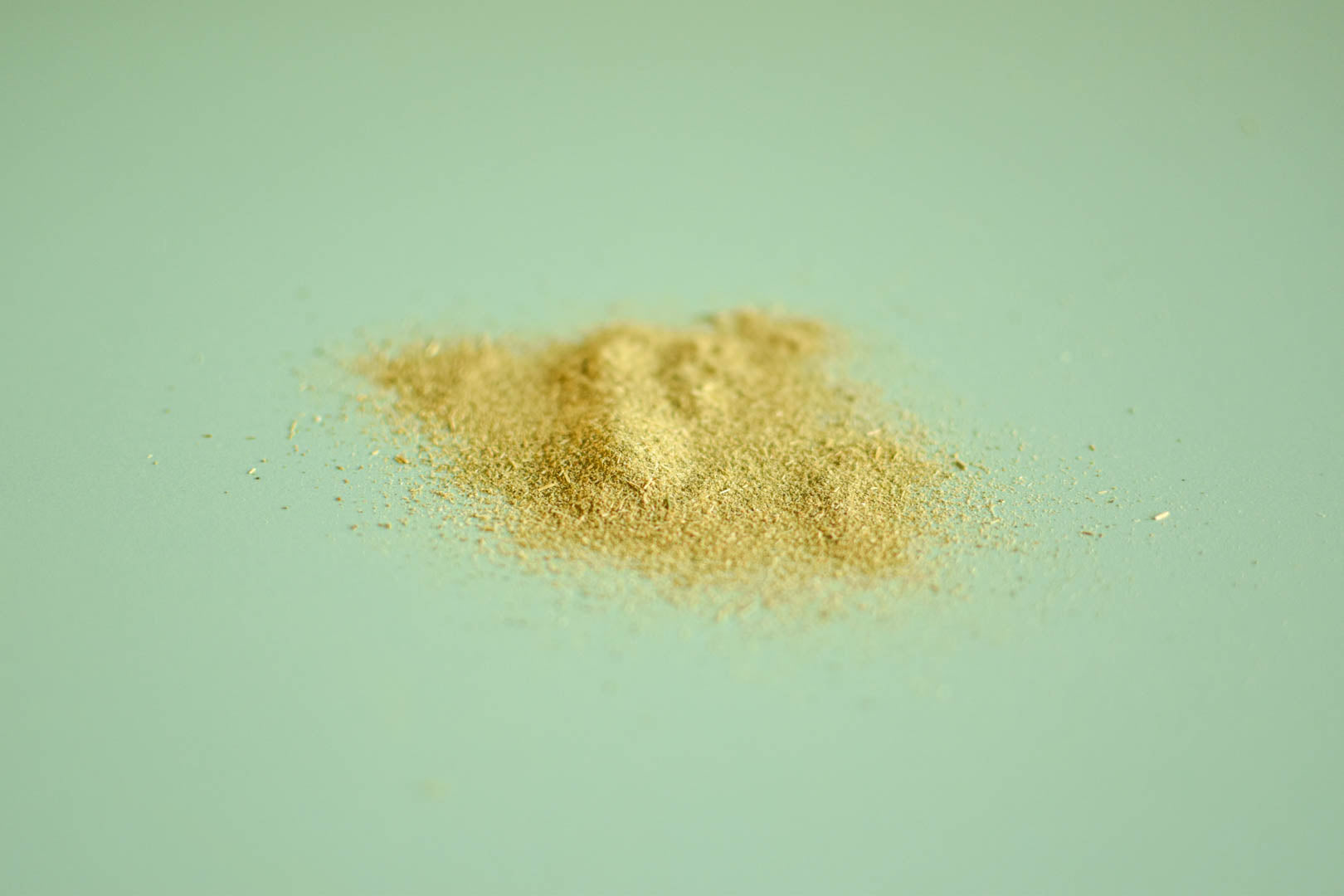
Before being rediscovered by contemporary wild gastronomy, red clover often served as a survival food during periods of famine in Europe. Because it grew in abundance and required no maintenance, peasants harvested its flowers to dry and grind them. This powder, very rich in vegetable proteins and minerals, was then mixed with wheat or rye flour to extend reserves during bread making.
In a less dramatic context, young shoots were consumed as a spring green vegetable, boiled to tenderize their fibers. An artisanal nectar was also extracted: by boiling the flowers for a long time with water and honey or sugar, a comforting syrup was obtained which served both as a treat for children and a soothing syrup for the throat during winter chills.
The Religious or Spiritual Use of Red Clover
In ancient beliefs, particularly within Celtic cultures of Europe, clover was not just a simple pasture plant; it possessed a deeply mystical aura. The trifoliate structure of its leaves symbolized many tripartite concepts, long before Saint Patrick used it to illustrate the Christian Holy Trinity in Ireland. For the Druids, the three leaves represented the fundamental elements (earth, sea, and sky) or even the phases of time (past, present, and future).
Red clover was frequently used in the creation of charms and protective amulets. It was believed that carrying a sachet of dried flowers repelled malevolent spirits, broke spells cast by witches, and protected travelers from road dangers. Moreover, bathing in a red clover infusion was a recognized ritual to attract financial luck and prosperity to the home.
The Cultural Importance of Red Clover
Beyond spirituality, the cultural importance of red clover lies in its revolutionary role in agriculture. Its introduction into crop rotation systems in Europe in the 17th century put an end to mandatory fallowing. By enriching the soil with nitrogen, clover helped nourish tired lands while providing high-quality forage for livestock, thus increasing meat and milk production. It can be said without exaggeration that this humble plant contributed to transforming the Western rural economy.
Even today, clover retains strong symbolic value. Although it is generally white clover that is associated with the search for the mythical four-leaf clover, red clover participates in this symbolism of luck and abundance. Many nostalgically remember spending long childhood afternoons sitting in the grass, delicately plucking the small purple tubes from the flower to suck out the sweet drop of nectar, an unforgettable first contact with the generosity of nature.
The Health Benefits of Red Clover (or other areas)
Properties and Effects of Red Clover on the Body
What are the properties of red clover?
The properties of red clover are vast and solidly rooted in pharmacognosy. The plant is primarily celebrated for its high content of isoflavones (genistein, daidzein, formononetin, and biochanin A). These molecules are phytoestrogens, plant compounds that structurally mimic the estrogen hormone in the human body. This particularity allows red clover to interact with estrogen receptors, offering a regulatory effect: it can mimic estrogen when body levels are low, or conversely, block receptors if levels are too high.
Furthermore, red clover is recognized for its antispasmodic properties, soothing involuntary muscle contractions, particularly in the respiratory tract. It is also a mild diuretic and a natural alterative. A common question among the curious is: what are the effects of clover on the body? By acting as an alterative, it promotes gentle cleansing by stimulating the elimination of metabolic waste through the kidneys, lymph, and sweat glands. Another common question is how long does it take for red clover to work? Like most tonic and constitutional plants, red clover does not produce an instantaneous "synthetic drug" effect. For chronic issues such as hormonal imbalances or skin problems, it generally takes 3 to 8 weeks of daily use to observe significant results.
Benefits of red clover by Category
Red clover for skin and hair
Skin disorders like eczema, cystic acne, or psoriasis are often considered in herbal medicine to be a reflection of internal toxic overload. Thanks to its purifying action on the blood and liver, red clover addresses the root of these problems by helping the body to "clean up" from within. As a compress or herbal tea, it helps reduce skin inflammation and accelerate the healing of lesions.
Regarding hair, many ask what are the effects of red clover on hair? The isoflavones, combined with vitamins and minerals (calcium, magnesium) present in the plant, help strengthen the hair follicle. Some studies even suggest that red clover extracts, applied as a lotion to the scalp, can help inhibit DHT (dihydrotestosterone), a hormone linked to alopecia and hair loss, thus making hair denser and more vigorous.
Red clover for hormonal balance and menopause
The area where red clover shines most brightly is undeniably women's health, particularly during perimenopause and menopause. When natural estrogen levels drop erratically, many discomforts appear. The phytoestrogens in red clover fill this void by binding to hormonal receptors, thus significantly reducing the frequency and severity of hot flashes, night sweats, and vaginal dryness.
Beyond immediate symptoms, red clover contributes to bone health. The decrease in estrogen during menopause accelerates bone density loss (osteoporosis). Red clover isoflavones help to slow down this degradation process, while promoting mineralization thanks to the plant's intrinsic richness in calcium. It is a holistic support that allows women to navigate this natural transition with much more serenity and vitality.
Red clover for detoxification and cardiovascular health
The cardiovascular system benefits greatly from infusions of this plant. But be careful not to confuse! Many consumers, confused by the names, write to us asking what are the disadvantages of red yeast rice? It is crucial to specify that red clover (the wild flower) has absolutely nothing to do with red yeast rice, which is a microscopic fungus cultivated on rice and used to lower cholesterol, but which can cause significant muscle pain. Red clover, on the other hand, is extremely gentle. It contributes to cardiovascular health by improving the flexibility of blood vessels and promoting healthy cholesterol levels thanks to its flavonoids, without the side effects of red yeast rice.
Regarding eliminatory organs, many ask: Is red clover good for the liver? Absolutely. As an alternative plant, it gently stimulates liver functions, helping the liver metabolize and eliminate toxins without overstressing it. However, the inverse question sometimes arises: Is red clover harmful to the liver? Normally, the answer is no. The only potential risk, as mentioned above, lies in consuming moldy clover or clover carrying fungal diseases (which develop toxic alkaloids). Hence the vital importance of sourcing from professional and conscientious harvesters like Floèm.

How to Consume or Use Red Clover?
Different Forms of Red Clover Products
Red clover in herbal tea
The purest, most traditional, and accessible form remains herbal tea. As an infusion, hot water acts as a perfect natural solvent to extract water-soluble active ingredients, vitamins, and isoflavones from the plant. It's a comforting drink whose beautiful golden or slightly pink color invites relaxation. Faced with this practice, a legitimate question often arises: Is it good to drink herbal tea every day? Generally, yes. Drinking gentle herbal teas like red clover daily is an excellent way to hydrate while providing continuous and nutritious support to the body. The ideal, however, is to alternate plants (for example, three-week courses followed by a one-week break) to prevent the body from becoming accustomed and to benefit from a wide diversity of nutrients.
Red clover in cooking
Integrating wild plants into cuisine is a flourishing trend. The culinary explorer's primary question is: Is red clover edible? The answer is a resounding yes. Its flowers bring a spectacular aesthetic touch and a subtly sweet and herbaceous taste to dishes. How can red clover be consumed in cooking? The possibilities are endless. Fresh, plucked flowers enhance young shoot salads, adorn fresh goat cheese toasts, or sprinkle over summer fruit tarts. Young raw leaves add a bit of greenery to pestos or can be slipped into a late spring soup. The important thing is to always ensure you use healthy flowers harvested in an unspoiled environment.
Red clover in homemade body products
Natural skincare enthusiasts love red clover. Making an oily macerate (infusing dried flowers in sweet almond or olive oil for a few weeks) creates a sovereign massage oil to soothe itching, eczema, or dry patches.
In homemade cosmetics, it is also combined with other natural ingredients. For example, if you are preparing a purifying face mask and wondering what are the contraindications of red clay (often used for complexion radiance), you should know that clay can dry out reactive skin. Replacing water with a strong, cooled red clover infusion to moisten the clay helps counteract this drying effect: the plant's soothing and emollient properties calm the skin, thus creating a perfectly balanced treatment.
Red Clover Preparation Methods: Recipes and Instructions
Recipe ideas with red clover
To discover the benefits of red clover in a gourmet way, here are some inspirations:
-
Boreal clover syrup: Infuse a large quantity of fresh flowers in simmering water for a few hours. Filter, then add half the volume of cane sugar or maple syrup. Reduce over low heat. This floral-tasting syrup will divinely accompany your pancakes or sweeten your summer cocktails.
-
Red clover jelly: Following the same principle as the syrup, adding apple pectin will transform your strong infusion into a translucent pink jelly, reminiscent of the taste of floral spring honey.
-
Vitality smoothie: Tender young shoots (before flowering) can be added by the handful to a blender with apples, lemon, and spinach, for a concentrate of minerals and chlorophyll.
How to infuse red clover for herbal tea?
The art of herbal tea requires delicacy. How can I consume red clover to get the most out of it? To prepare a cup, use about 1 to 2 teaspoons of dried red clover flowers. The water should never be boiling (ideally around 90°C) so as not to "cook" the volatile essential oils. Pour the water over the flowers and immediately cover your cup with a lid or a small plate. This step is crucial: it prevents aromatic compounds from escaping with the steam. Let it steep for 10 to 15 minutes. A longer infusion will release more isoflavones and minerals. Strain and enjoy. Its taste is gentle enough to go without sugar, but a hint of raw honey will beautifully highlight its floral notes.
How much red clover to consume?
For preventive or daily wellness use, it is helpful to know what is the dosage of red clover. Generally, consuming 1 to 3 cups per day of an infusion prepared with about 2 to 4 grams of dried flowers per cup is considered safe and effective for most adults. If you wish to address a specific issue (such as menopausal discomfort), regularity matters more than raw quantity: it is better to drink two cups a day consistently for a month rather than a liter a day erratically.
Red Clover Usage Tips and Precautions
When to consume red clover?
One of the great advantages of red clover is its versatility: it contains neither theine nor caffeine. Therefore, it can be consumed at any time of day. In the morning, incorporated into a blend with Labrador tea leaves or nettle, it supports vital energy and metabolism. Consumed in the late afternoon or evening, its slightly sedative and antispasmodic properties help relax the nervous system and prepare the body for a restful night's sleep, especially when combined with chamomile or lemon balm.
Warnings regarding red clover
Although this plant is gentle, the question arises: what are the possible side effects of red clover? In general, it is extremely well tolerated. Rare cases of headaches, mild digestive upset, or skin rashes (linked to a legume allergy) have been reported. However, the plant contains natural coumarins. Although very low, these compounds have a slight blood-thinning effect. What is the disadvantage of red clover then? Its concentrated intake is contraindicated before major surgery, or in combination with powerful anticoagulant medications.
Furthermore, what are the contraindications of red clover for menopause? This is a crucial point. Although it helps relieve hot flashes, its phytoestrogenic nature means it should be avoided by women with a personal or family history of hormone-dependent cancers (breast, ovarian, or uterine cancer), or suffering from severe endometriosis. It is essential not to stimulate estrogen receptors in these particular situations without strict medical supervision.
At-Risk Populations and Red Clover
People on specific medication should act with caution. For example, can red clover be consumed in cases of hypertension? Red clover does not raise blood pressure and may even, through its relaxing action on blood vessels, support cardiovascular well-being. However, it can interact with certain hypotensive drugs or treatments metabolized by the liver. Additionally, people allergic to peanuts or soy (which belong to the same botanical family, Fabaceae) should first perform a tolerance test or consult a healthcare professional before adopting it.
Pregnant women, children, and red clover
Due to its effects on the hormonal system, concentrated or therapeutic consumption of red clover is strongly discouraged for pregnant and breastfeeding women. The delicate balance of natural estrogens necessary for fetal development should not be disturbed by external phytoestrogen intake. For young children, although occasionally eating a few flowers in the garden poses no danger, regular use in herbal medicine should be supervised by a specialist, as caution is always advised with active plants during a child's development.
Conclusion: Red Clover, a Precious Ally
Summary of Red Clover Benefits and Uses
Everything you need to know about red clover
In short, red clover – whether it is referred to by that name or one wonders what are the benefits of purple clover (another common name) – is a true masterpiece of nature. It transcends its status as a simple forage plant to establish itself as an herb with major medicinal plant virtues. From blood purification to invaluable support during menopause, as well as soothing an irritated cough and calming skin, it accompanies the body with exceptional gentleness.
Many ask: Is red clover a food supplement? Although many standardized supplements in capsule form are found in pharmacies, we firmly believe that the healthiest, most complete, and most flavorful approach remains using the whole plant in its raw form. Infusion allows one to benefit not only from isolated active ingredients but from the entire "totum" of the plant, a natural synergy that science often tries to reproduce without equaling it.
Quality and Environmental Respect for Red Clover
How to choose quality red clover?
The quality of a medicinal herb directly determines the potency of its effects and the safety of its consumption. High-quality red clover is recognized first by sight and smell. Dried flowers should retain vibrant shades of pink and purple, proving rapid drying away from light. The scent should be sweet, evoking honey and summer grass, free of any dust or mold smell. The leaves should be bright green and not crumble into fine powder at the slightest touch.
To achieve such quality, it is essential to know the origin of your plant. Avoid products from massive industrial harvests where traceability is unclear and where the risks of exposure to pollutants are high. Opt for ethically harvested products, where each batch is the result of attentive human work that respects the natural rhythm of the seasons.
Why prioritize environmentally friendly red clover and where to get it?
Choosing an environmentally friendly ingredient is a strong step towards preserving our biodiversity. By supporting responsible harvesting, you ensure that pollinating insects retain their essential food source and that fragile ecosystems are not depleted by abusive wild harvesting. It's a virtuous circle: respected nature offers stronger and richer plants, which in turn provide us with superior well-being.
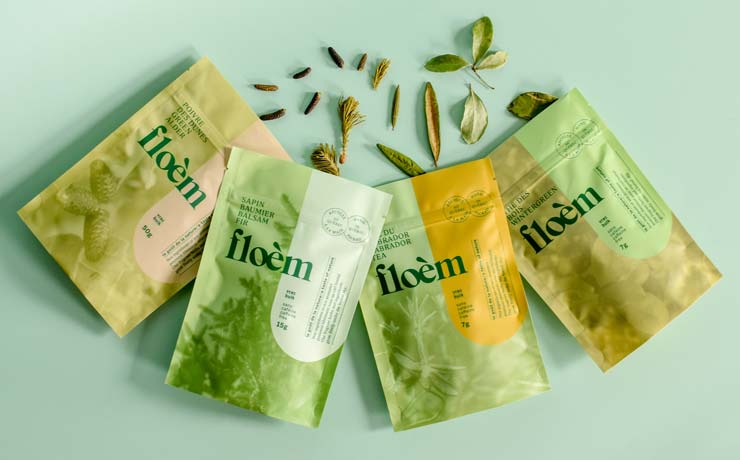
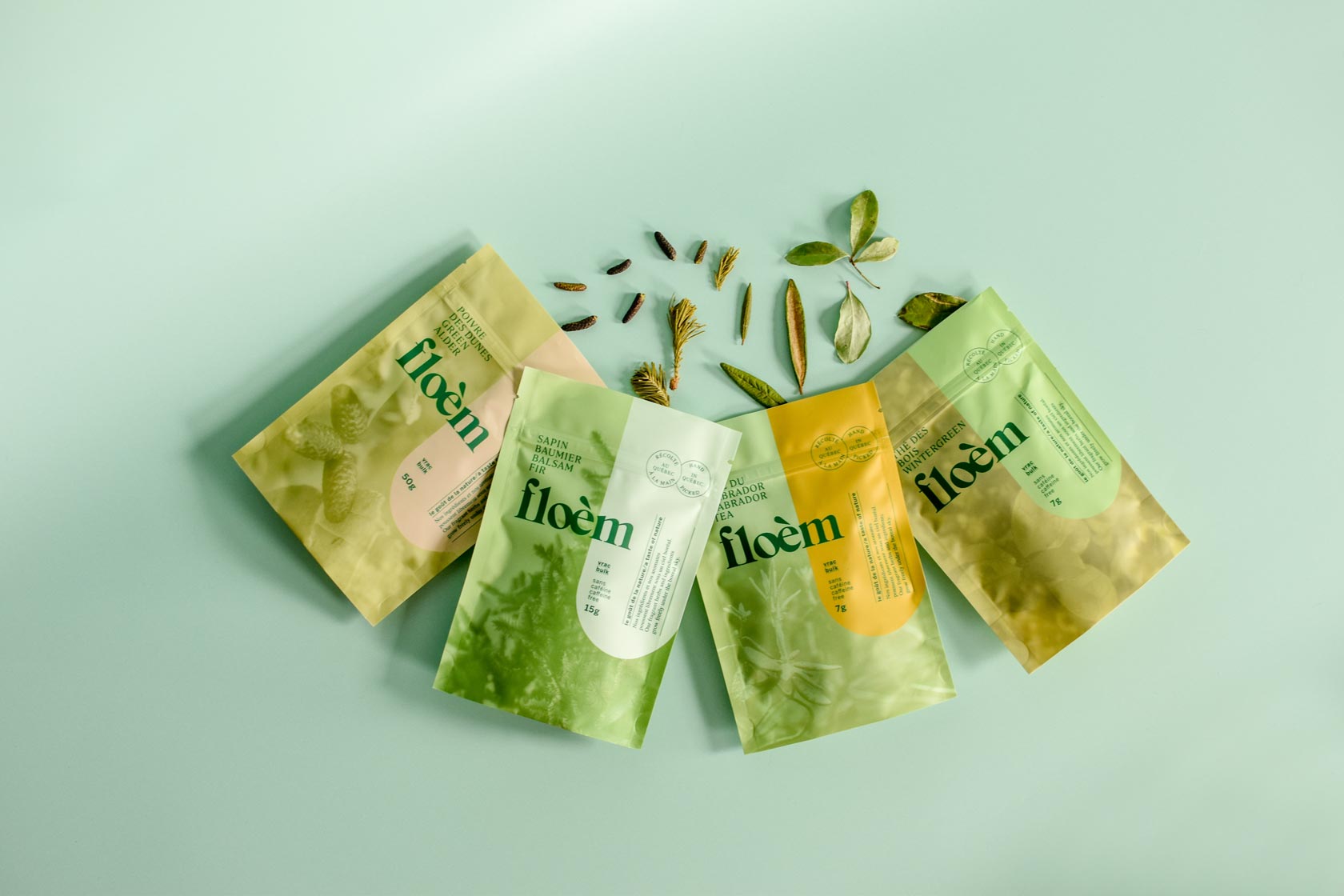
At Floèm, this philosophy is embedded in our DNA. We are proud to offer you red clover of exceptional purity, meticulously hand-harvested in the vast wild territories of Quebec. By integrating our red clover or our unique Labrador tea leaf blends into your routine, you invite the raw strength, aromatic richness, and soul of the boreal flora into your cup. Discover the essence of our terroir today by exploring the selection of exclusive products available in Floèm's online store, and let yourself be transported by the magic of Nordic flavors.






1 comment
Bonjour, faites-vous des formations sur les plantes formation sérieuses bien sûr?
Cordialement
Bry
Leave a comment
This site is protected by hCaptcha and the hCaptcha Privacy Policy and Terms of Service apply.